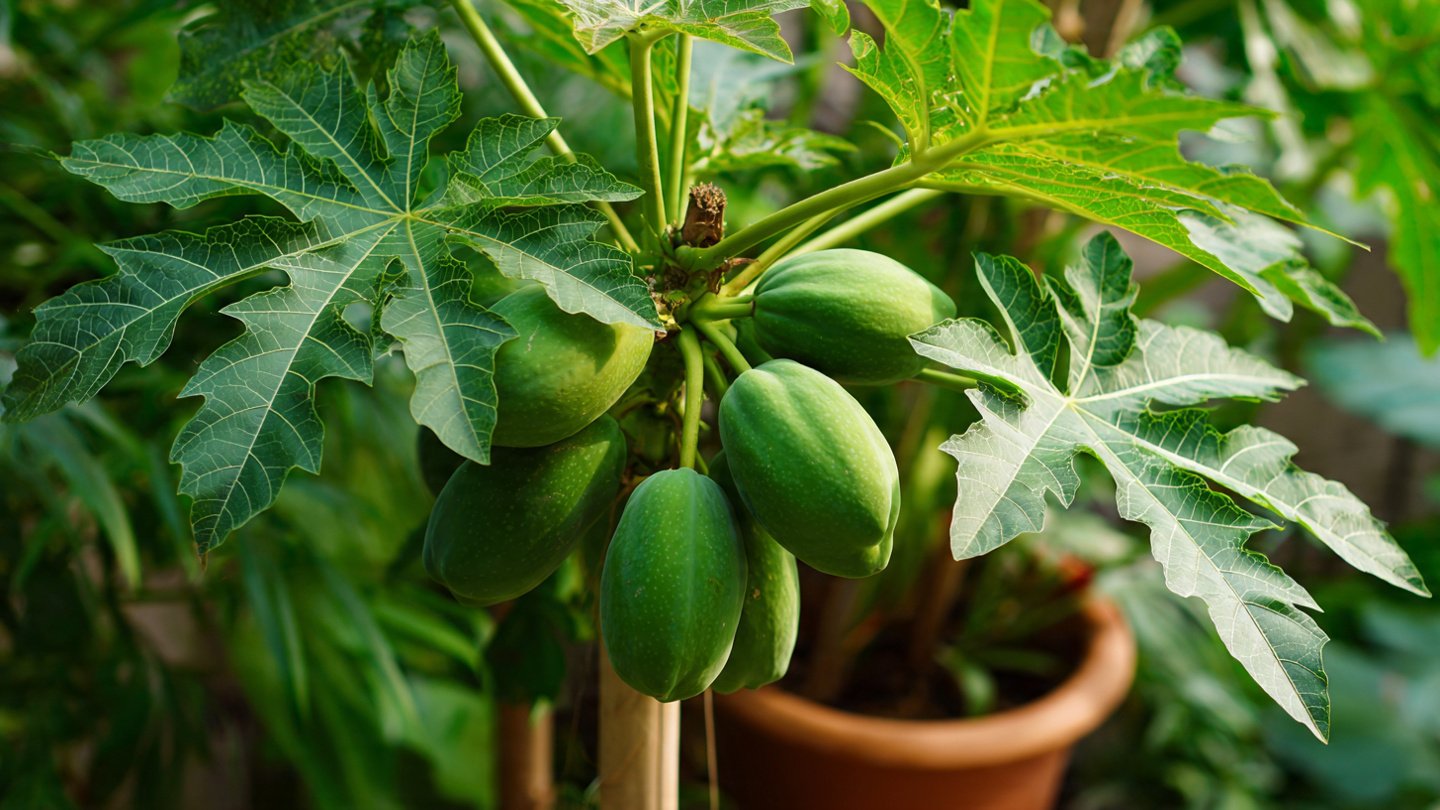
Papaya, also known as pawpaw in some regions, is a tropical fruit loved for its sweet flavor, soft texture, and nutritional benefits. Rich in vitamins A, C, and E, antioxidants, and digestive enzymes, papaya is a popular choice for smoothies, salads, and desserts. While many think growing papaya requires large farmland or tropical conditions, the truth is that with proper care and the right techniques, you can successfully grow a papaya plant at home, even in limited spaces, and enjoy quick fruiting and sweet, juicy harvests.
In this comprehensive guide, we’ll explore step-by-step methods for growing papaya, from seed selection to care, fertilization, pest management, and harvesting tips for maximizing fruit quality and yield.
Why Grow Papaya at Home?
Homegrown papaya offers numerous advantages:
- Quick Fruiting – With proper care, papaya plants can start producing fruit in 6–12 months, much faster than many other fruit trees.
- Sweet, Fresh Fruits – Controlling soil, watering, and fertilizers ensures naturally sweet fruits without chemicals.
- Compact Growth – Papaya plants grow upright and don’t require large land areas, making them ideal for pots, balconies, or small yards.
- Nutritional Benefits – Enjoy fresh fruits packed with vitamins, enzymes, and antioxidants directly from your home garden.
- Year-Round Harvest – With proper care in tropical or subtropical climates, papaya can produce fruit throughout the year.
Choosing the Right Papaya Variety
The choice of papaya variety is crucial for successful home cultivation. Papayas are broadly classified into:
- Dwarf Varieties – Ideal for pots and small spaces. They grow 4–6 feet tall and fruit early. Popular dwarf varieties include ‘Red Lady’ and ‘Tainung 1’.
- Medium or Tall Varieties – These grow 8–12 feet tall and produce larger fruits. They are suitable for backyard gardens with more space.
- Hawaiian Varieties – Known for sweet, soft fruits with high pulp content. Suitable for home growers who want flavorful papayas.
Choose a variety suited to your space and climate. Dwarf varieties are especially recommended for balcony or container growing.
Growing Papaya from Seeds
Papaya can be grown from seeds or seedlings, but starting from seeds is simple, cost-effective, and rewarding.
1. Seed Selection
- Select seeds from a ripe, healthy fruit.
- Wash the seeds thoroughly to remove pulp and dry them in shade for 1–2 days.
- Only use fresh seeds, as older seeds may have low germination rates.
2. Germination
- Soak seeds in water for 24 hours to improve germination.
- Fill seedling trays or small pots with well-draining soil rich in organic matter.
- Plant 2–3 seeds per pot, about 1/2 inch deep.
- Keep the soil moist but not waterlogged.
- Place trays in a warm, sunny spot; papaya seeds germinate in 2–3 weeks.
3. Transplanting
- Once seedlings develop 3–4 true leaves and are 6–8 inches tall, they are ready for transplanting.
- If planting in pots, choose a container at least 12–18 inches deep with good drainage.
- For ground planting, dig a hole twice the size of the root ball and mix compost into the soil.
Caring for Papaya Plants
Proper care ensures quick fruiting, healthy growth, and sweet fruits.
1. Sunlight
Papaya thrives in full sunlight. Ensure plants receive 6–8 hours of direct sunlight daily. Insufficient light slows growth and reduces flowering.
2. Watering
- Papaya plants need consistent moisture, especially during flowering and fruiting.
- Water deeply 2–3 times a week, allowing soil to dry slightly between watering.
- Avoid waterlogging, as papaya roots are prone to rot.
3. Fertilization
- Use a balanced fertilizer rich in nitrogen, phosphorus, and potassium every 4–6 weeks during early growth.
- Switch to a high-potassium fertilizer once flowers appear to promote fruit development.
- Organic options like compost, vermicompost, or well-rotted manure boost soil health and fruit sweetness.
4. Pruning
- Remove dead or damaged leaves regularly.
- Thin out crowded branches to improve sunlight penetration and airflow.
- Pruning helps focus energy on flower and fruit production, resulting in larger, sweeter fruits.
Encouraging Quick Fruiting
Papaya plants are known for quick growth, but several practices accelerate fruiting:
- Optimal Spacing – Space plants at least 4–6 feet apart to avoid competition for light and nutrients.
- Regular Feeding – Fertilize with nitrogen-rich fertilizers for strong vegetative growth, then switch to phosphorus- and potassium-rich fertilizers during flowering.
- Temperature Management – Papaya grows best in 70–90°F (21–32°C). Protect plants from frost and extreme heat.
- Flower Induction – Applying foliar sprays with micronutrients like boron and zinc during early growth can stimulate flowering and fruiting.
- Pollination Assistance – Papaya flowers are typically pollinated by insects, but hand pollination can improve fruit set, especially in container-grown plants.
Container and Small-Space Growing
Papaya is ideal for container gardening, which allows cultivation in apartments, terraces, and small gardens.
Container Selection
- Use containers at least 18–24 inches deep and wide to accommodate roots.
- Ensure drainage holes to prevent root rot.
- Lightweight containers are convenient for moving plants to optimal sunlight.
Soil Requirements
- Papaya prefers well-draining, loamy soil rich in organic matter.
- Mix 2 parts potting soil, 1 part compost, and 1 part perlite or sand for aeration.
Tips for Container Success
- Fertilize regularly since nutrients leach faster from pots.
- Rotate containers occasionally for even sunlight exposure.
- Support taller plants with stakes to prevent bending or damage from wind.
Pest and Disease Management
Papaya plants can face challenges from pests and diseases. Awareness and preventive care help maintain healthy, fruiting plants.
Common Pests
- Aphids – Small insects that suck sap from leaves. Spray neem oil or insecticidal soap.
- Whiteflies – Feed on sap and spread viruses; control with sticky traps or neem oil.
- Fruit Flies – Lay eggs in developing fruits; cover fruits with paper bags or nets.
Common Diseases
- Papaya Ringspot Virus – Causes leaf mottling and stunted growth. Use virus-free seeds or grafted plants.
- Powdery Mildew – White fungal growth on leaves; remove infected leaves and ensure airflow.
- Root Rot – Caused by waterlogging; ensure proper drainage and avoid overwatering.
Regular monitoring and early intervention are key to preventing serious damage.
Harvesting Papaya
- Papayas are ready to harvest when their skin starts turning yellow and the fruit softens slightly.
- Fruits can be picked partially green and allowed to ripen at room temperature.
- Frequent harvesting encourages more flower and fruit production.
- Use a sharp knife or scissors to avoid damaging the plant.
Tips for Sweet Fruits
- Balanced Fertilization – Proper nutrient management, especially potassium, enhances sweetness.
- Consistent Watering – Irregular watering can cause fruits to develop unevenly or split.
- Sunlight – Full sunlight ensures maximum photosynthesis and natural sugar accumulation.
- Pruning – Removing excess leaves and weak flowers directs energy to developing fruits, improving size and taste.
Conclusion
Growing papaya at home is both rewarding and achievable with proper techniques. By selecting the right variety, providing optimal soil, water, and sunlight, and practicing regular care, you can enjoy fast-growing plants that bear sweet, juicy fruits in less than a year.
Whether planted in the ground or containers, papaya’s upright growth habit makes it perfect for small spaces, balconies, and terraces. With consistent feeding, pruning, and pest management, your homegrown papaya can provide continuous harvests of delicious, nutrient-rich fruits year-round.
Start with quality seeds or seedlings, follow best practices for care, and soon you’ll enjoy the unmatched satisfaction of fresh papayas from your own garden — a true tropical delight at your doorstep.