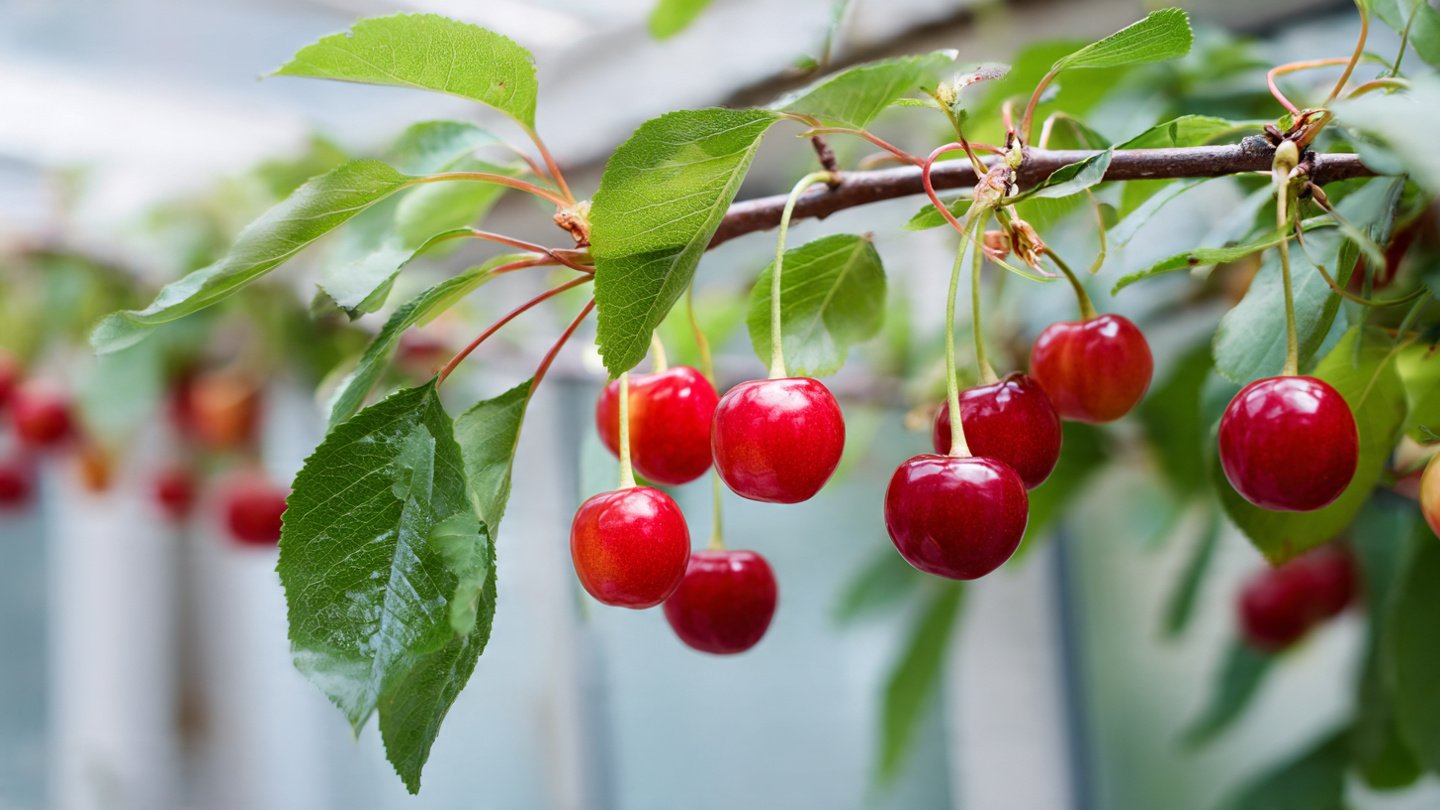
Cherry trees are a favorite among home gardeners for their beautiful spring blossoms and delicious, juicy fruits. Whether you’re drawn to the ornamental beauty of their flowers or the sweet taste of fresh cherries, growing a cherry tree at home is a rewarding experience. With proper planning, care, and pruning, it’s even possible to cultivate cherry trees in compact spaces, making them suitable for small gardens, patios, or even large containers.
This complete guide will take you step-by-step through the process of growing cherry trees at home, ensuring healthy growth, abundant fruit, and manageable size.
Why Grow Cherry Trees at Home?
Homegrown cherry trees offer numerous benefits:
- Fresh, Juicy Fruits – Nothing beats picking cherries straight from your garden.
- Compact Growth Options – Dwarf or semi-dwarf varieties make cherry trees suitable for small spaces.
- Ornamental Beauty – Spring blossoms create stunning aesthetics, adding color to your garden.
- Cost Savings – Growing your own tree reduces reliance on store-bought fruits.
- Satisfaction and Wellness – Gardening promotes relaxation, physical activity, and a connection to nature.
Choosing the Right Cherry Tree Variety
Selecting the right cherry tree is essential for successful growth and fruit production:
- Sweet Cherries (Prunus avium) – Produce larger, sweeter fruits suitable for fresh consumption. Examples: Bing, Stella, Lapins.
- Sour or Tart Cherries (Prunus cerasus) – Ideal for cooking, baking, and preserves. Examples: Montmorency, Morello.
- Dwarf Varieties – Perfect for container gardening or small yards. Examples: Compact Stella, Garden Bing.
Consider your climate, available space, and whether you want sweet or tart cherries when choosing a variety.
Step 1: Selecting the Planting Site
Cherry trees require careful site selection for healthy growth and fruiting:
- Sunlight – At least 6–8 hours of full sunlight daily.
- Soil – Well-draining, fertile soil with a pH of 6–7. Avoid waterlogged areas.
- Space – Ensure enough space for roots and canopy. Dwarf trees require 6–8 feet spacing, while standard trees need 15–20 feet.
- Air Circulation – Good airflow helps prevent fungal diseases and improves pollination.
For compact growth, containers or small raised beds are excellent options, especially for dwarf cherry varieties.
Step 2: Choosing Between Seed and Sapling
While cherries can be grown from seeds, planting young saplings is recommended for home gardeners:
- Seed Propagation – Takes longer to produce fruit (5–7 years) and may not retain the parent variety’s characteristics.
- Saplings or Grafted Trees – Typically bear fruit within 2–4 years and maintain the desired traits of the parent tree.
Grafted trees, especially dwarf or semi-dwarf types, are ideal for home gardens where compact growth is preferred.
Step 3: Preparing the Soil
Proper soil preparation promotes strong roots and abundant fruiting:
- Loosen the Soil – Dig a hole twice the width of the root ball and loosen compacted soil.
- Amend Soil – Mix garden soil with compost, well-rotted manure, or organic fertilizer to boost fertility.
- Check Drainage – Ensure water drains freely. Cherry trees are sensitive to waterlogged roots, which can cause rot.
For container planting, choose a deep pot (at least 18–24 inches) with drainage holes, filled with a mix of garden soil, compost, and perlite or sand for proper drainage.
Step 4: Planting Your Cherry Tree
Planting the tree correctly sets the foundation for healthy growth:
- Position the Tree – Place the sapling in the hole so the top of the root ball is level with surrounding soil.
- Backfill Carefully – Fill the hole with soil, pressing gently to remove air pockets.
- Water Thoroughly – Water immediately after planting to help settle the soil and establish roots.
- Mulch – Apply a 2–3 inch layer of organic mulch around the base, keeping it away from the trunk to retain moisture and regulate temperature.
Step 5: Watering and Fertilization
Proper watering and fertilization are critical for young cherry trees:
- Watering – Keep the soil evenly moist, especially during the first year. Reduce frequency for established trees.
- Fertilization – Use a balanced, slow-release fertilizer in early spring. Avoid excessive nitrogen, which promotes leafy growth over fruiting.
- Soil Care – Check soil pH and nutrient levels periodically and amend with compost or organic fertilizers as needed.
Step 6: Pruning for Compact Growth and Health
Pruning is essential for managing size, encouraging airflow, and stimulating fruit production:
- First Year – Focus on shaping the tree by removing damaged or crossing branches.
- Dormant Season – Prune during late winter to early spring before new growth begins.
- Compact Growth – Use heading cuts to encourage lateral branching and limit vertical growth for dwarf varieties.
- Remove Suckers and Water Sprouts – These unproductive shoots take energy away from fruit development.
Regular pruning not only keeps the tree manageable but also enhances fruit quality and yield.
Step 7: Pollination
Some cherry varieties require cross-pollination:
- Self-Pollinating Trees – Varieties like Stella or compact Bing can set fruit without another tree.
- Cross-Pollination Required – Sweet cherry varieties often need another compatible tree nearby for fruiting. Plant two compatible varieties close together for optimal results.
Pollination can also be aided by attracting bees or hand-pollinating flowers during bloom for higher fruit set.
Step 8: Managing Pests and Diseases
Cherry trees are susceptible to pests and fungal diseases, which can affect both foliage and fruit:
- Common Pests – Aphids, cherry fruit flies, and caterpillars.
- Fungal Diseases – Powdery mildew, leaf spot, and brown rot.
- Preventive Measures – Ensure good airflow, avoid overhead watering, prune regularly, and use organic sprays like neem oil or insecticidal soap when needed.
Early detection and preventive care are key to maintaining a healthy tree.
Step 9: Harvesting Cherries
Knowing when and how to harvest is crucial for maximum sweetness:
- Timing – Harvest when cherries are fully colored, firm, and taste sweet. Avoid picking underripe fruit, as it will not continue to ripen.
- Method – Gently pull or snip clusters with scissors to avoid damaging branches.
- Frequency – Pick cherries every few days during the harvest season, as fruit ripens unevenly.
Proper harvesting ensures longer-lasting fruit and encourages continued production.
Tips for Growing Cherry Trees in Small Spaces
- Choose Dwarf Varieties – Compact trees fit small gardens or large containers and still produce abundant fruit.
- Container Gardening – Use large pots with good drainage and quality soil for patio or balcony cultivation.
- Vertical Pruning – Train branches upward to save space while maintaining productivity.
- Regular Maintenance – Watering, fertilizing, and pruning regularly ensures manageable growth and healthy fruits.
- Pollinator-Friendly Garden – Attract bees with flowering plants nearby to improve pollination.
Benefits of Homegrown Cherry Trees
- Fresh Fruits – Enjoy cherries right from your backyard without pesticides or preservatives.
- Ornamental Appeal – Stunning spring blossoms add beauty and charm to any space.
- Health Benefits – Cherries are rich in antioxidants, vitamins, and anti-inflammatory compounds.
- Cost Savings – Save money by growing a productive tree instead of buying seasonal cherries.
- Satisfaction – Growing a tree from sapling to fruiting stage is highly rewarding and educational.
Common Mistakes to Avoid
- Planting in Poor Soil – Waterlogged or nutrient-poor soil reduces growth and fruiting.
- Ignoring Pruning – Unpruned trees become crowded, reducing airflow and fruit quality.
- Overwatering or Underwatering – Young trees require consistent moisture; mature trees need less frequent watering.
- Choosing Wrong Varieties – Ensure the variety suits your climate, space, and pollination needs.
- Neglecting Pest Management – Ignoring pests early can lead to serious infestations that damage fruits.
Conclusion
Growing a cherry tree at home is a wonderful way to combine ornamental beauty with delicious, homegrown fruits. By selecting the right variety, preparing soil carefully, planting properly, and providing consistent care, you can enjoy a compact cherry tree that produces sweet, juicy fruits year after year.
From choosing dwarf varieties to pruning for manageable growth, every step contributes to a healthy tree and abundant harvest. With patience, attention, and the right techniques, even small-space gardeners can cultivate their own cherry trees.
Imagine plucking bright red, succulent cherries from your garden or balcony—fresh, pesticide-free, and full of flavor. By following this guide, you can turn that dream into reality, creating a fruitful addition to your home garden that delights both the eyes and the taste buds.
Start today, and in a few years, your home could host a thriving cherry tree, providing delicious fruits and ornamental charm for years to come!