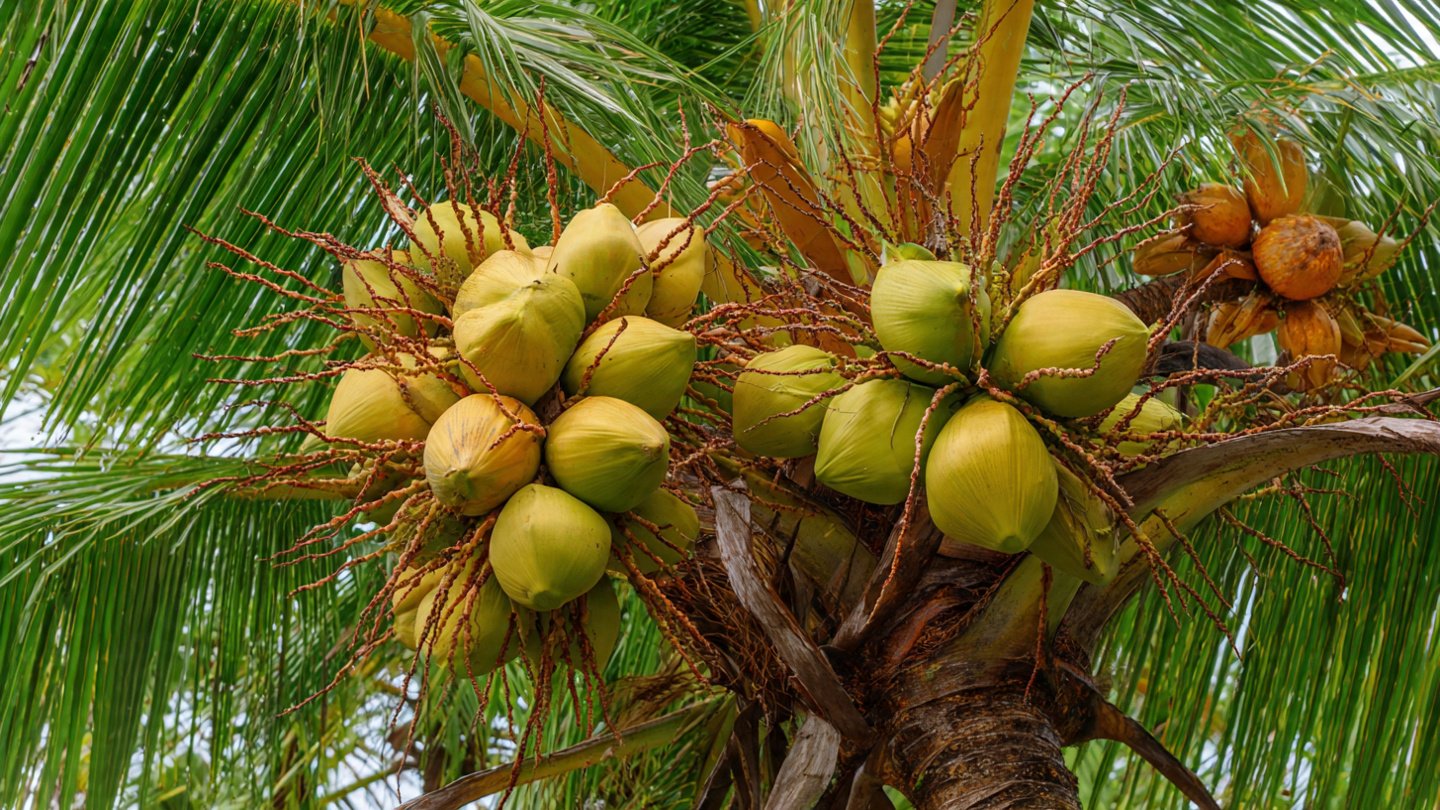
Coconuts are often referred to as the “tree of life,” providing nutritious food, refreshing water, fiber, oil, and even natural building materials. Growing coconut plants at home not only enhances your green space but can also supply fresh coconuts for your kitchen, smoothies, and cooking. While coconuts are commonly associated with tropical regions, with the right techniques, care, and patience, it is possible to grow a healthy coconut plant at home—even in large pots or home gardens. This article will guide you step by step on how to grow a coconut plant at home for abundant nut production.
Choosing the Right Coconut Variety
The first step in successful home cultivation is selecting the appropriate coconut variety. Coconuts are generally divided into two main types:
- Tall Varieties: These grow up to 30 meters and take 6–10 years to start fruiting. Tall varieties are hardy and ideal for open gardens but are less suitable for small spaces. Examples include East Coast Tall and West Coast Tall.
- Dwarf Varieties: Growing up to 6–10 meters, dwarf varieties are suitable for home gardens or container planting. They start fruiting early (3–5 years) and are easier to manage. Popular dwarf types include Malayan Dwarf, Chowghat Dwarf, and King Coconut.
For home cultivation with the goal of abundant nut production, dwarf varieties are recommended due to their compact size, quicker fruiting, and easier maintenance.
Selecting and Preparing the Coconut Seed
Successful germination starts with a healthy seed. When selecting a coconut:
- Choose mature, brown coconuts with hard shells. Young green coconuts may not germinate well.
- Shake the coconut to ensure it contains water, which indicates a viable seed.
- Avoid coconuts with cracks, fungus, or signs of damage.
Pre-Germination Preparation
- Soaking: Soak the coconut in water for 2–3 days to soften the shell and enhance germination.
- Scarification (Optional): Lightly scratch the husk near the water-bearing end to encourage sprouting. Be careful not to damage the inner seed.
- Placement for Germination: Place the coconut horizontally in a shallow pit, tray, or pot filled with moist sand or cocopeat. Keep it warm and shaded.
Germination usually occurs within 3–6 months, depending on the variety and environmental conditions.
Planting Coconut Seedlings
Once the coconut begins to sprout, it is ready for planting:
For Garden Planting:
- Choose a Sunny Location: Coconut plants require at least 6–8 hours of direct sunlight daily.
- Soil Preparation: Coconuts thrive in well-drained, sandy loam soil rich in organic matter. Mix garden soil with compost or cow dung before planting.
- Planting Hole: Dig a hole about 2–3 feet deep and wide, ensuring sufficient space for root expansion.
- Planting: Place the germinated coconut in the hole with the shoot pointing upwards. Fill the hole with soil and gently press to eliminate air pockets.
- Watering: Water thoroughly after planting and maintain consistent moisture during the early growth phase.
For Container Planting:
If space is limited, coconuts can be grown in large pots or containers:
- Choose a large, deep container (at least 2–3 feet deep and wide).
- Ensure proper drainage by adding gravel or stones at the bottom.
- Use a nutrient-rich soil mixture with compost, sand, and cocopeat.
- Water consistently but avoid waterlogging, which can damage roots.
Watering and Care
Coconuts require regular and consistent watering, especially during the early stages:
- Keep the soil moist but not soggy.
- Mulch around the base of the plant to retain moisture and regulate temperature.
- During hot, dry periods, increase watering frequency.
- Reduce watering slightly during the monsoon or rainy season to prevent fungal infections.
Fertilization for Abundant Nut Production
Coconut plants are heavy feeders, and proper fertilization ensures healthy growth and abundant fruiting:
- Organic Fertilizers: Use well-decomposed compost, cow dung, or vermicompost to enrich the soil with nutrients.
- Balanced NPK Fertilizer: Apply a fertilizer high in nitrogen (for leaf growth), phosphorus (for root development), and potassium (for flower and fruit formation). A recommended ratio is 8:2:12 NPK for coconut plants.
- Micronutrients: Coconut plants benefit from magnesium, boron, and zinc. Banana plants or foliar sprays can supplement these micronutrients.
- Frequency: Apply fertilizers 3–4 times a year for mature plants, and every 2–3 months for young seedlings.
Sunlight and Temperature Requirements
- Coconut plants are sun lovers and require full sun exposure.
- Ideal temperature ranges between 75–95°F (24–35°C).
- Avoid planting in cold or frost-prone areas, as low temperatures can stunt growth and reduce nut production.
Supporting Growth with Proper Pruning
Pruning ensures healthy development and improves productivity:
- Remove dead or diseased fronds regularly.
- Trim excess fronds at the base to allow sunlight penetration.
- Avoid excessive pruning, as leaves are vital for photosynthesis and nut formation.
Pollination for Better Nut Production
Coconuts are primarily cross-pollinated, though some dwarf varieties are self-pollinating:
- Encourage pollinators like bees by planting flowering plants nearby.
- In areas with low pollinator activity, manual pollination can improve nut set.
- Remove male flowers that do not aid pollination to encourage energy toward fruit development.
Pest and Disease Management
Healthy coconut plants are more productive, so proactive pest management is essential:
- Common Pests: Coconut mites, rhinoceros beetles, and red palm weevils. Use neem oil sprays or insecticidal soaps for control.
- Fungal Diseases: Leaf spot, bud rot, and stem bleeding can affect productivity. Ensure proper drainage, avoid overwatering, and remove infected leaves.
- Regular Monitoring: Check the plant weekly for signs of stress, pests, or disease. Early detection ensures healthier plants and higher yields.
Harvesting and Maximizing Nut Production
Coconuts take time to mature, but with proper care, you can enjoy a regular harvest:
- Time to Fruiting: Dwarf varieties may start producing nuts in 3–5 years, while tall varieties may take 6–10 years.
- Harvesting: Pick coconuts when the husk turns brown for mature nuts. Green coconuts can be harvested for water.
- Fruit Thinning: If the plant produces too many young nuts, thin some out to allow remaining nuts to grow bigger and healthier.
- Consistent Care: Regular watering, fertilization, and pruning during the growing season maximize nut yield.
Growing Coconuts in Containers Indoors
For urban gardeners or those in non-tropical climates, coconuts can be grown indoors or in greenhouses:
- Use large pots or grow bags to accommodate the roots.
- Provide supplemental light with grow lamps if sunlight is limited.
- Maintain humidity with occasional misting or a humidity tray.
- Ensure proper air circulation to prevent fungal infections.
While container-grown coconuts may produce fewer nuts than garden-planted trees, they can still provide young coconuts and healthy foliage for ornamental purposes.
Tips for Success
- Patience is Key: Coconuts take time to mature, but consistent care ensures abundant yields.
- Choose the Right Variety: Select dwarf types for quicker fruiting and ease of care.
- Maintain Consistency: Regular watering, fertilization, and pest control are essential.
- Mulch and Support: Mulch retains moisture, and proper support helps young plants withstand wind.
- Monitor for Stress: Yellowing leaves, slow growth, or pest damage can reduce nut production—address issues promptly.
Conclusion
Growing a coconut plant at home can be a highly rewarding endeavor. By choosing the right variety, providing nutrient-rich soil, maintaining consistent care, and practicing proper pest and disease management, you can enjoy a bountiful harvest of fresh coconuts. Whether you have a spacious garden or a large container on your balcony, the right approach allows you to cultivate healthy coconut plants that produce abundant nuts for years to come.
With patience, dedication, and attention to detail, your home-grown coconut plants can flourish, transforming your garden or terrace into a tropical paradise while supplying nutritious, versatile fruits for your family. Start today, and you’ll be on your way to harvesting your own fresh coconuts in just a few years!