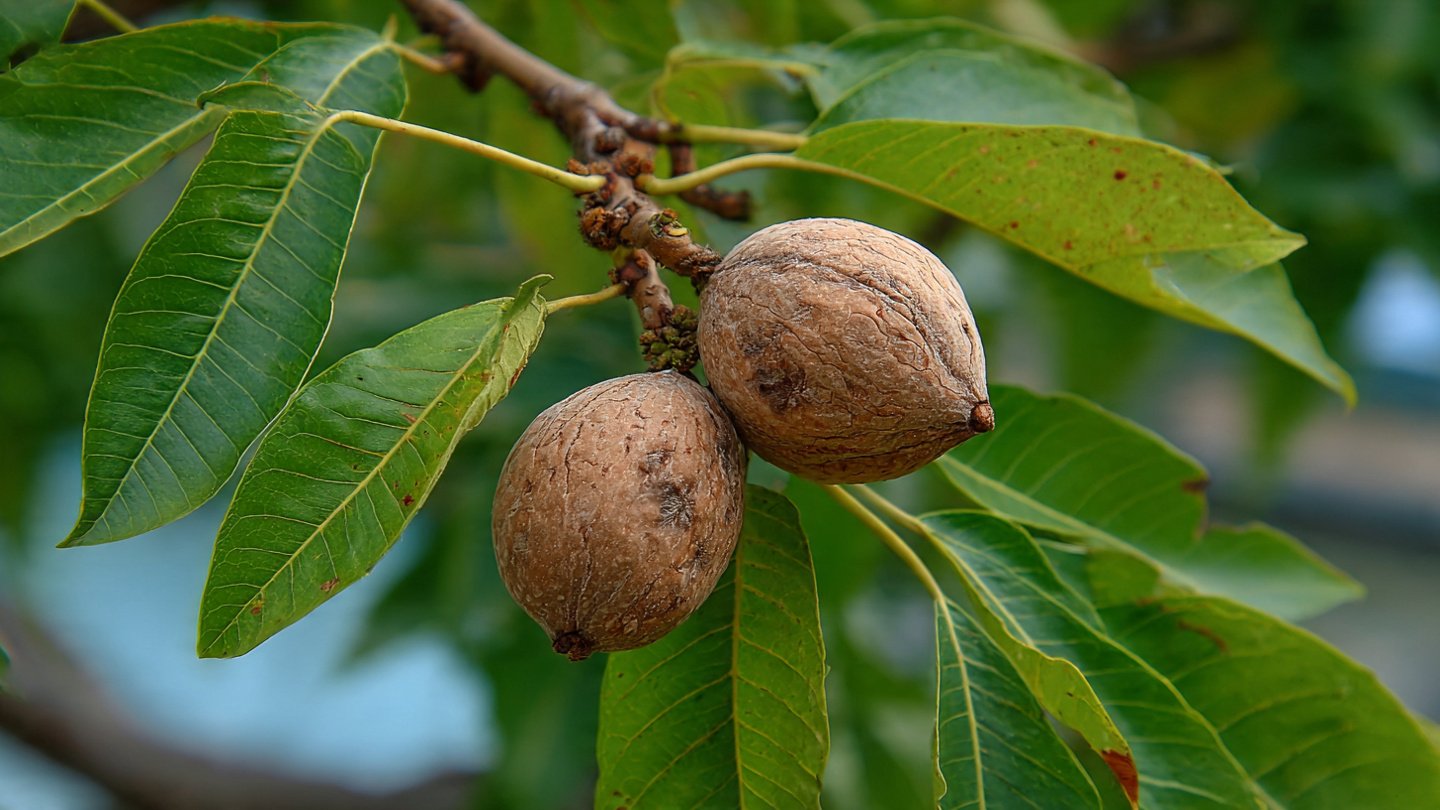
Walnuts are celebrated not only for their rich, buttery flavor but also for their impressive nutritional profile. Packed with healthy fats, protein, antioxidants, and essential minerals, walnuts are a superfood that supports heart health, brain function, and overall wellness. Imagine growing your very own walnut tree at home, producing healthy, chemical-free nuts while enhancing your garden’s beauty.
Growing a walnut plant at home is entirely possible, even if you have a small yard or a large container on a balcony or terrace. With the right care, patience, and techniques, you can nurture a walnut plant that grows strong and yields high-quality nuts over the years. This guide will walk you step-by-step through the process of cultivating a walnut plant at home for healthy nuts and robust growth.
Why Grow Walnut Plants at Home
Growing a walnut plant at home has several advantages beyond harvesting fresh nuts:
- Nutritious Harvest: Homegrown walnuts are chemical-free, nutrient-rich, and far fresher than store-bought options.
- Cost Savings: Over the years, a single walnut tree can produce hundreds of nuts, reducing long-term costs.
- Environmental Benefits: Walnut trees improve air quality, provide shade, and support local biodiversity.
- Aesthetic Value: The tall, lush foliage of walnut trees adds beauty to gardens and landscapes.
- Sustainable Living: Growing your own nuts promotes self-sufficiency and healthy eating.
Choosing the Right Walnut Variety
Selecting the appropriate walnut variety is crucial for home cultivation, as different varieties vary in size, growth habit, and nut quality. Popular home-friendly walnut varieties include:
- English Walnut (Juglans regia): Known for large, high-quality nuts and mild flavor. Ideal for home gardens in temperate climates.
- Black Walnut (Juglans nigra): Produces smaller nuts with strong flavor. Its vigorous growth requires more space.
- Hybrid Varieties: Some hybrids are bred for higher yield, disease resistance, and smaller tree size, making them suitable for container cultivation.
For home growers, compact varieties or young English walnut seedlings are often the easiest to manage.
Preparing the Growing Site
Walnut trees require a sunny location, fertile soil, and proper drainage for healthy growth. Here’s how to prepare your home garden for walnut cultivation:
- Sunlight: Choose a spot that receives 6–8 hours of direct sunlight daily.
- Soil Requirements: Walnuts thrive in deep, loamy soil with a pH between 6.0 and 7.5. Soil should be rich in organic matter and well-draining. Avoid heavy clay or waterlogged soil.
- Space: Walnut trees can grow large, so ensure sufficient space for roots and canopy expansion. Even for container-grown plants, use large pots (at least 18–24 inches deep) to accommodate roots.
- Protection: Young walnut plants are vulnerable to wind and extreme temperatures. Consider planting near a fence or wall to provide natural windbreak.
Growing Walnut Plants from Seeds
You can grow walnut plants either from seeds (walnut kernels) or young seedlings. Starting from seeds is a rewarding method that ensures strong, healthy plants.
Step 1: Preparing the Seeds
- Select fresh, mature walnut seeds from healthy nuts.
- Remove the outer husk carefully without damaging the seed.
- Soak seeds in water for 24 hours to soften the shell and improve germination.
- Optional: Scarify the seed by lightly sanding or nicking the surface to speed up sprouting.
Step 2: Germination
- Fill a container or seed tray with a well-draining soil mix (garden soil + compost).
- Plant seeds about 1–2 inches deep.
- Keep the soil consistently moist and place the container in a sunny spot.
- Germination usually occurs within 2–4 weeks, depending on temperature and seed freshness.
Step 3: Transplanting Seedlings
Once seedlings have 2–3 true leaves and are about 6–8 inches tall, they can be transplanted:
- For garden planting: Dig a hole twice the size of the root ball and plant the seedling.
- For container planting: Use a large, deep pot and ensure good drainage.
Caring for a Walnut Plant
Proper care ensures your walnut plant grows strong and healthy, eventually producing nutritious nuts.
Watering
- Young plants require consistent moisture. Water deeply 2–3 times a week, allowing the soil to dry slightly between watering.
- Mature trees are more drought-tolerant but benefit from occasional deep watering during dry spells.
Fertilization
- Use organic compost, vermicompost, or balanced NPK fertilizer every 4–6 weeks during the growing season.
- Early growth benefits from nitrogen for strong foliage, while flowering and nut development benefit from phosphorus and potassium.
Pruning
- Remove dead, damaged, or crossing branches to promote healthy growth and airflow.
- For container-grown plants, prune lightly to maintain a manageable size.
- Proper pruning encourages a strong central leader and better fruit production.
Mulching
- Apply a layer of organic mulch (straw, leaves, or compost) around the base to retain moisture, regulate soil temperature, and reduce weed growth.
- Keep mulch 2–3 inches away from the stem to prevent rotting.
Pollination and Flowering
Walnut trees are generally wind-pollinated and have separate male and female flowers on the same tree (monoecious).
- Male flowers (catkins) release pollen, which is carried by wind to female flowers.
- Ensure good airflow around the plant to improve natural pollination.
- Container-grown plants may need occasional hand pollination using a small brush to transfer pollen from male to female flowers for better nut set.
Proper pollination is critical for producing large, healthy nuts.
Harvesting Walnuts
Walnuts take 3–4 years to produce their first edible nuts from seeds, while grafted seedlings may yield in 2–3 years.
- Timing: Nuts are ready for harvest when the green husk starts to split naturally.
- Harvesting: Gently remove nuts from the tree or let them fall naturally.
- Hulling and Drying: Remove the outer husk and dry the nuts in a well-ventilated area for 2–3 weeks.
- Storage: Store dried nuts in a cool, dry place or refrigerate for long-term storage.
Consistent care, including watering, fertilization, and pest control, ensures a high-quality, healthy nut harvest.
Pests and Disease Management
Walnut plants are generally hardy, but home gardeners may encounter some common problems:
- Insect Pests: Aphids, mites, and caterpillars can damage leaves and shoots. Use organic sprays like neem oil or garlic solutions.
- Fungal Diseases: Powdery mildew, anthracnose, and root rot may occur in humid or waterlogged conditions. Ensure proper spacing, drainage, and airflow to minimize risk.
- Leaf Drop: Nutrient deficiencies, especially nitrogen, can cause yellowing and leaf drop. Apply compost or balanced fertilizers to correct deficiencies.
Regular monitoring and early intervention prevent significant damage and support healthy growth.
Benefits of Homegrown Walnuts
Growing walnuts at home offers more than just delicious nuts:
- Nutritional Boost: Walnuts are rich in omega-3 fatty acids, antioxidants, vitamin E, and minerals that promote heart and brain health.
- Eco-Friendly: Growing your own reduces reliance on store-bought nuts and lowers packaging waste.
- Aesthetic Appeal: The lush foliage and elegant canopy enhance the beauty of any garden or terrace.
- Therapeutic Gardening: Tending to a walnut plant reduces stress and provides a rewarding hobby.
Tips for Thriving Walnut Plants
- Rotate container-grown plants occasionally for even sunlight exposure.
- Use large pots for container growth to avoid root crowding.
- Regularly inspect for pests, diseases, and nutrient deficiencies.
- Ensure good drainage and avoid waterlogging, which harms roots.
- Maintain patience—walnut trees are slow growers but extremely rewarding.
Conclusion
Growing a walnut plant at home is a fulfilling journey that combines patience, care, and the joy of homegrown nutrition. By following the steps outlined—selecting the right variety, preparing fertile soil, providing adequate sunlight and support, watering and fertilizing wisely, and managing pests and diseases—you can nurture a strong, healthy walnut plant.
The long-term rewards are incredible: lush foliage, robust growth, and a consistent supply of fresh, chemical-free walnuts. Whether you have a backyard garden or a large container on your balcony, cultivating walnuts at home is not only possible but also immensely satisfying.
Start your walnut-growing journey today, and in a few years, you’ll enjoy the magical combination of nurturing a tree and harvesting its healthy, nutritious nuts—a true gift from your home garden!