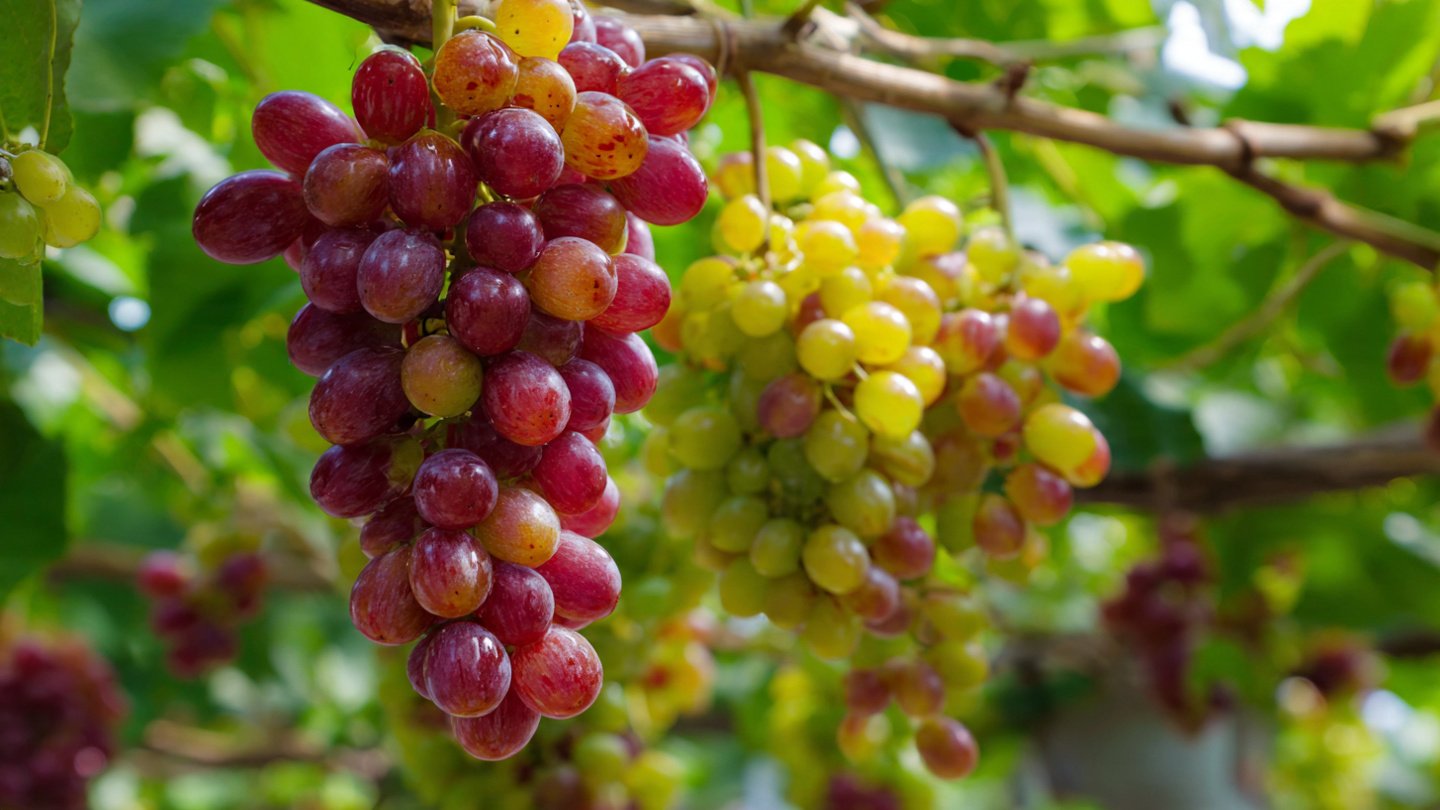
Grapes are among the world’s most cherished fruits, prized for their sweet flavor, nutritional benefits, and versatility in fresh consumption, wine-making, jams, and desserts. While growing grapevines has long been a staple for home gardeners and commercial growers alike, achieving consistently high yields and exceptionally sweet fruits requires more than just traditional care. Recent advances in viticulture techniques are enabling growers to maximize both quantity and quality of grape production.
In this article, we explore the new advanced techniques for growing grapevines that result in higher yields and sweeter, more flavorful fruits, while maintaining healthy, vigorous plants.
Understanding Grape Vine Growth
Before exploring advanced techniques, it’s important to understand how grapevines grow. Grapevines are perennial plants, meaning they live for many years. Their growth can be divided into several key stages:
- Dormancy: During winter, vines enter a resting phase. Proper pruning during this period determines next season’s yield.
- Bud Break: In spring, buds swell and new shoots emerge. Proper care at this stage ensures healthy vine development.
- Flowering: Grapes produce tiny flowers that, once pollinated, develop into berries. Environmental conditions during flowering impact fruit set and sweetness.
- Fruit Development: Grapes increase in size and accumulate sugars. Watering, nutrition, and sun exposure directly influence yield and flavor.
- Ripening: Sugars, acids, and phenolic compounds reach peak levels, producing sweet, aromatic fruits.
Understanding these stages is crucial for applying advanced cultivation techniques effectively.
The Advanced Technique: Precision Canopy Management
The key to higher yield and sweeter grapes lies in precision canopy management. This modern approach focuses on controlling vine growth, sunlight exposure, airflow, and nutrient distribution, ensuring that each grape cluster receives optimal conditions.
1. Strategic Pruning
Traditional grape pruning focuses on removing old wood and maintaining vine shape. Advanced pruning techniques go further:
- Spur Pruning: Retains short, productive shoots while removing excess growth.
- Cane Pruning: Encourages fruiting on longer, stronger canes.
- Selective Leaf Removal: Removing specific leaves around grape clusters increases sunlight penetration and airflow, accelerating sugar accumulation.
Precision pruning reduces shading, preventing diseases and improving fruit quality. It also directs the vine’s energy toward producing fewer but larger, sweeter grapes, rather than an excessive number of small, less flavorful berries.
2. Optimized Trellising Systems
The trellis system you use can significantly impact grape yield and sweetness. Advanced growers now adopt vertical shoot positioning (VSP) or geneva double curtain (GDC) systems:
- VSP: Shoots are trained vertically, improving light distribution and air circulation, reducing fungal disease risk.
- GDC: Horizontal cordons maximize canopy exposure, ideal for vigorous varieties.
By optimizing trellis design, each grape cluster gets more sunlight, improving photosynthesis and sugar accumulation, resulting in sweeter, higher-quality fruits.
3. Controlled Irrigation and Water Management
Water is critical for grape development, but both overwatering and underwatering can reduce yield and sugar content. Advanced irrigation techniques include:
- Drip Irrigation: Delivers water directly to the root zone, reducing waste and promoting consistent moisture.
- Deficit Irrigation: Slightly limiting water during berry maturation forces the plant to concentrate sugars in the fruit.
- Soil Moisture Monitoring: Sensors help determine optimal watering schedules, avoiding stress while maximizing sweetness.
Precise water management is especially important during the veraison stage, when grapes begin to ripen and sugars accumulate.
Nutrient Management for Sweeter Grapes
Proper nutrition is essential for high-yielding grapevines. Modern techniques involve targeted fertilization based on soil and leaf analysis rather than a blanket application of fertilizers.
1. Balanced Fertilization
- Nitrogen: Encourages vegetative growth, but excessive nitrogen can lead to leafy canopies and reduced fruit sweetness.
- Phosphorus: Supports root development and flowering.
- Potassium: Crucial for sugar synthesis, berry size, and overall fruit quality.
Applying fertilizers at the right stage, such as potassium during fruit set and ripening, significantly enhances sugar content.
2. Foliar Feeding
Foliar sprays allow nutrients to be absorbed directly through leaves. Essential micronutrients like magnesium, zinc, and boron improve photosynthesis, flower formation, and fruit set, ultimately contributing to larger and sweeter grapes.
3. Organic Matter and Soil Health
Incorporating compost or well-rotted manure improves soil structure, water retention, and microbial activity. Healthy soil supports vigorous vine growth and consistent fruit quality season after season.
Advanced Pest and Disease Management
Pests and diseases can dramatically reduce grape yield and sweetness. Traditional methods rely heavily on chemical sprays, but modern viticulture favors integrated pest management (IPM):
- Monitoring: Regular inspections identify early signs of pest infestations or fungal infections.
- Biological Controls: Beneficial insects like ladybugs and predatory mites reduce pest populations naturally.
- Preventive Measures: Pruning, proper spacing, and canopy management improve airflow, reducing fungal disease incidence.
- Targeted Sprays: When necessary, fungicides and insecticides are applied in a targeted, minimal-use approach to protect fruit quality and the environment.
By preventing pest damage, more grapes reach maturity, and sugar concentration is maintained, resulting in sweeter harvests.
Maximizing Sunlight for Sugar Accumulation
Sugar accumulation is directly linked to sunlight exposure. Advanced growers employ techniques such as:
- Leaf Removal Around Clusters: Removes shaded leaves without exposing berries to sunburn.
- Canopy Orientation: Adjusting vine rows and shoot positions to maximize sunlight interception during morning and afternoon.
- Reflective Mulches: Some commercial vineyards use reflective materials under vines to increase light exposure and enhance fruit sweetness.
Sunlight not only enhances sugar content but also improves color, aroma, and overall fruit quality.
Harvest Timing: The Final Step for Sweetness
Even with perfect growth conditions, grapes will not reach maximum sweetness if harvested too early. Advanced growers determine optimal harvest time by monitoring:
- Brix Levels: Using a refractometer to measure sugar content.
- Berry Size and Color: Ensuring grapes have fully developed and consistent pigmentation.
- Taste Test: Sampling berries to confirm sweetness and flavor.
Harvesting at peak maturity ensures that grapes have accumulated maximum sugar, acidity balance, and flavor intensity.
Advantages of the Advanced Technique
Adopting this advanced approach to grapevine cultivation offers multiple benefits:
- Higher Yield: Optimized pruning, trellising, and nutrient management produce more fruit per vine.
- Sweeter Fruits: Precision water, sunlight, and nutrient control enhance sugar accumulation.
- Healthier Plants: Integrated pest management and canopy control reduce disease incidence and stress.
- Sustainable Practices: Efficient irrigation and targeted fertilization reduce waste and environmental impact.
- Improved Market Value: Larger, sweeter, and visually appealing grapes fetch higher prices for commercial growers.
Practical Tips for Home and Small-Scale Growers
Even if you are not a commercial vineyard owner, you can apply these techniques in a home garden:
- Use small trellis systems or stakes to manage vine growth.
- Apply drip irrigation or simple soaker hoses for consistent moisture.
- Conduct basic soil tests to adjust nutrients for optimal fruit development.
- Remove excess shoots and leaves around clusters to increase sunlight exposure.
- Monitor grapes during ripening and harvest only when fully sweet.
With these steps, home gardeners can enjoy high-quality, sweet grapes without extensive commercial resources.
Conclusion
The new advanced techniques for growing grapevines focus on precision management of canopy, water, nutrients, and harvest timing. By carefully controlling these factors, growers can achieve higher yields and sweeter fruits without compromising vine health.
From strategic pruning and optimized trellising to precise irrigation, targeted fertilization, and pest management, every step contributes to a superior grape harvest. Whether for home gardens or commercial production, adopting these practices allows you to enjoy grapes that are not only abundant but also rich in flavor, sugar content, and visual appeal.
By embracing modern viticulture methods, gardeners and growers can maximize their grapevine potential, producing fruits that rival the best vineyard harvests while maintaining sustainability and plant health. The result is a bountiful, sweet, and satisfying grape harvest that elevates both home gardening and commercial success.