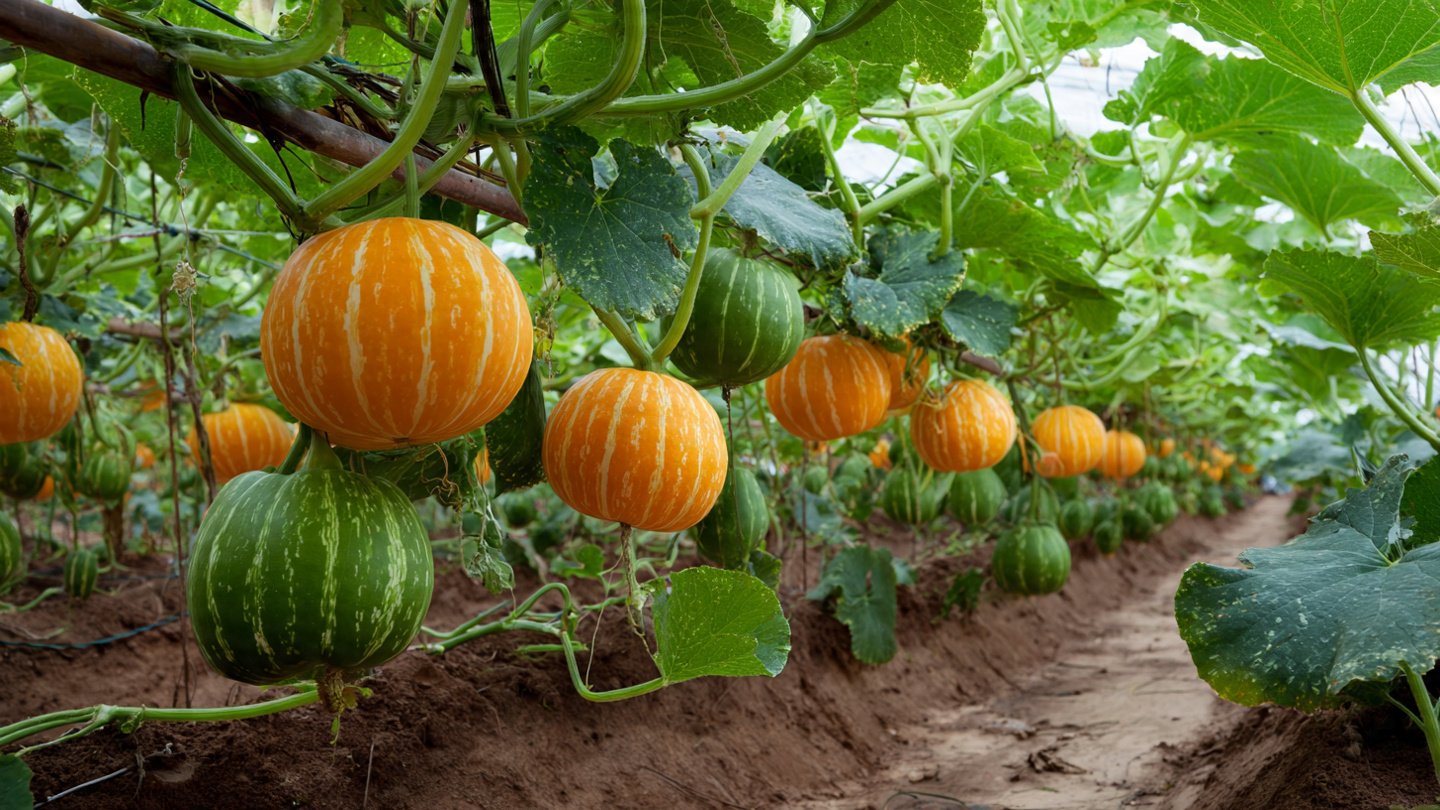
Pumpkins are one of the most iconic vegetables in the garden, celebrated for their vibrant color, versatile culinary uses, and festive appeal. However, many home gardeners struggle to grow pumpkins that are not only large but also healthy and resilient. Traditional planting methods often produce moderate results, with fruit size and quality highly dependent on soil fertility, water availability, and pest management. Fortunately, a new advanced technique is revolutionizing pumpkin cultivation, allowing gardeners to achieve bigger, healthier, and more uniform fruits while optimizing plant growth.
This guide explores this innovative approach in detail, offering home gardeners actionable tips to maximize pumpkin yields and quality.
Understanding the Challenges of Pumpkin Cultivation
Before diving into advanced techniques, it’s important to understand the common challenges that pumpkin plants face:
- Limited Fruit Size: Pumpkins need significant nutrients, sunlight, and water to grow large. Without optimal conditions, fruits may remain small or underdeveloped.
- Uneven Ripening: Some pumpkins may mature faster than others, making harvesting inconsistent and affecting overall quality.
- Pest and Disease Vulnerability: Powdery mildew, aphids, and squash bugs are common threats that stunt growth or damage fruit.
- Soil Depletion: Continuous pumpkin planting without proper soil management can lead to nutrient deficiencies, resulting in smaller, less healthy pumpkins.
These challenges have inspired horticulturists to develop advanced cultivation methods that address multiple factors simultaneously, creating a more productive and resilient pumpkin crop.
The Advanced Technique: Vertical and Supported Pumpkin Cultivation with Nutrient Optimization
The new advanced technique combines vertical planting, support structures, and optimized nutrition, leading to significantly larger and healthier pumpkin fruits. While traditional pumpkin cultivation involves sprawling vines on the ground, this method supports the plants in a way that improves airflow, sunlight exposure, and nutrient absorption.
Step 1: Choosing the Right Pumpkin Variety
Selecting the right variety is the foundation for successful cultivation. Consider:
- Giant pumpkin varieties like ‘Atlantic Giant’ for maximum size.
- Disease-resistant hybrids to reduce the need for chemical interventions.
- Early-maturing varieties if your growing season is short.
Choosing a variety suited to your climate ensures better growth, larger fruits, and fewer disease problems.
Step 2: Preparing the Soil for Maximum Nutrient Absorption
Pumpkins are heavy feeders. Optimized soil preparation is essential for healthy growth and big fruit:
- Soil Testing: Conduct a soil test to determine pH and nutrient levels. Pumpkins prefer slightly acidic to neutral soil (pH 6.0–6.8).
- Organic Matter: Incorporate well-rotted compost or manure to enhance soil fertility and water retention.
- Nutrient Supplementation: Mix in slow-release fertilizers rich in nitrogen for foliage, phosphorus for root development, and potassium for flowering and fruiting.
Healthy soil ensures that pumpkin plants have the energy they need for rapid vine growth and robust fruit development.
Step 3: Vertical Planting with Support Systems
One of the most significant innovations in this advanced technique is vertical planting using trellises or supports. Traditionally, pumpkin vines sprawl along the ground, which can lead to damaged fruits, pest infestations, and uneven growth. By supporting the plant vertically:
- Improved Air Circulation: Reduces the risk of fungal diseases such as powdery mildew.
- Sunlight Exposure: Leaves and fruits receive even sunlight, promoting photosynthesis and faster growth.
- Space Efficiency: Vertical growth allows gardeners to plant more pumpkins in limited space.
- Fruit Protection: Hanging fruits or using slings prevents ground contact, reducing rot and pest attacks.
How to Support Pumpkins:
- Install sturdy trellises or vertical supports early in the plant’s growth.
- Use soft fabric slings or mesh nets to cradle fruits as they grow, supporting their weight without damaging the skin.
- Regularly adjust slings as fruits expand to prevent restriction or bruising.
Step 4: Strategic Pruning for Bigger Fruits
Pumpkin plants produce multiple fruits per vine, but allowing too many fruits to develop simultaneously can result in smaller sizes. Strategic pruning is a key component of the advanced technique:
- Limit Fruit per Vine: Retain 1–2 of the healthiest flowers per vine for fruiting. This concentrates the plant’s energy on fewer fruits, making them larger.
- Prune Excess Vines: Remove secondary vines or runners that are not producing fruit to redirect energy to the main vines.
- Remove Damaged Leaves: Cut off yellowed or damaged leaves to maintain overall plant health and improve airflow.
Pruning ensures that the plant invests its energy efficiently, producing fewer but bigger and healthier pumpkins.
Step 5: Optimized Watering and Mulching
Consistent and precise watering is critical for maximizing pumpkin size:
- Deep Watering: Water deeply at the base of the plant 2–3 times per week, depending on climate. This encourages deep root growth and prevents stress.
- Drip Irrigation: Using drip lines or soaker hoses ensures steady moisture without wetting the leaves, reducing fungal disease risk.
- Mulching: Apply organic mulch such as straw or coconut coir around the base of the plant. Mulch conserves soil moisture, suppresses weeds, and prevents soil-borne diseases from affecting fruits.
Water stress or irregular watering can lead to cracking or uneven fruit growth, so consistency is key.
Step 6: Fertilization During Fruit Development
While initial soil preparation is important, pumpkins also require nutrient boosts during fruit development:
- High Potassium Fertilizer: Supports fruit enlargement and sweetness.
- Calcium Supplements: Prevents blossom-end rot and strengthens fruit structure.
- Liquid Fertilizers: Foliar sprays of seaweed extract or fish emulsion provide quick nutrient uptake.
Applying nutrients at the right stage ensures pumpkins develop fully, with thicker skin, bright color, and firm texture.
Step 7: Pest and Disease Management
Even with advanced techniques, pest management remains essential:
- Aphids, squash bugs, and caterpillars can damage leaves and flowers. Use neem oil or insecticidal soap as a natural deterrent.
- Fungal diseases like powdery mildew are less common with vertical planting but may appear in humid conditions. Spray a baking soda solution or sulfur-based fungicide as preventive measures.
- Regular Monitoring: Inspect plants at least twice a week to detect early signs of pest or disease issues. Early intervention prevents significant damage.
Step 8: Pollination Techniques
Pumpkin plants rely on bee activity for pollination, but flowers may not always receive adequate visits. For guaranteed fruiting:
- Hand Pollination: Use a small brush to transfer pollen from male to female flowers.
- Attract Pollinators: Plant flowering companion plants nearby to attract bees and beneficial insects.
Successful pollination ensures well-formed fruits and reduces the risk of misshapen pumpkins.
Step 9: Harvesting at Peak Ripeness
Harvesting pumpkins at the right time is crucial for size and quality:
- Check that the pumpkin’s skin is firm and deep in color.
- The stem should start to dry and harden.
- Avoid leaving fruits too long on the vine, as over-mature pumpkins may crack or lose flavor.
- Cut pumpkins with a sharp knife, leaving a 2–3 inch stem attached to prolong storage life.
Proper harvesting techniques ensure that the fruit remains healthy, sweet, and durable for storage or cooking.
Advantages of the Advanced Technique
- Bigger Fruits: Strategic pruning, vertical growth, and nutrient optimization produce significantly larger pumpkins.
- Healthier Plants: Improved airflow and pest management reduce disease incidence.
- Space Efficiency: Vertical systems allow gardeners to grow more pumpkins in limited space.
- Early and Uniform Fruit: Optimized growing conditions promote synchronized fruiting and faster harvests.
- Reduced Losses: Slings and supports prevent ground rot and pest damage, increasing overall yield.
Conclusion
The new advanced technique for growing pumpkin plants combines vertical planting, fruit support, nutrient management, strategic pruning, and precise watering to produce bigger and healthier pumpkins than traditional methods. Home gardeners can now enjoy impressive yields, visually striking plants, and robust fruits without extensive effort or specialized equipment.
By adopting these practices, gardeners not only enhance pumpkin size and quality but also improve plant health, pest resistance, and space efficiency. Whether for home cooking, festive decoration, or competitive gardening, this advanced cultivation method provides an innovative and rewarding approach to pumpkin growing.
With consistent care, attention to detail, and the willingness to experiment with these techniques, even small home gardens can produce spectacular, mouthwatering pumpkins that rival professional farm yields. The future of pumpkin cultivation is here—and it’s bigger, healthier, and more vibrant than ever before.