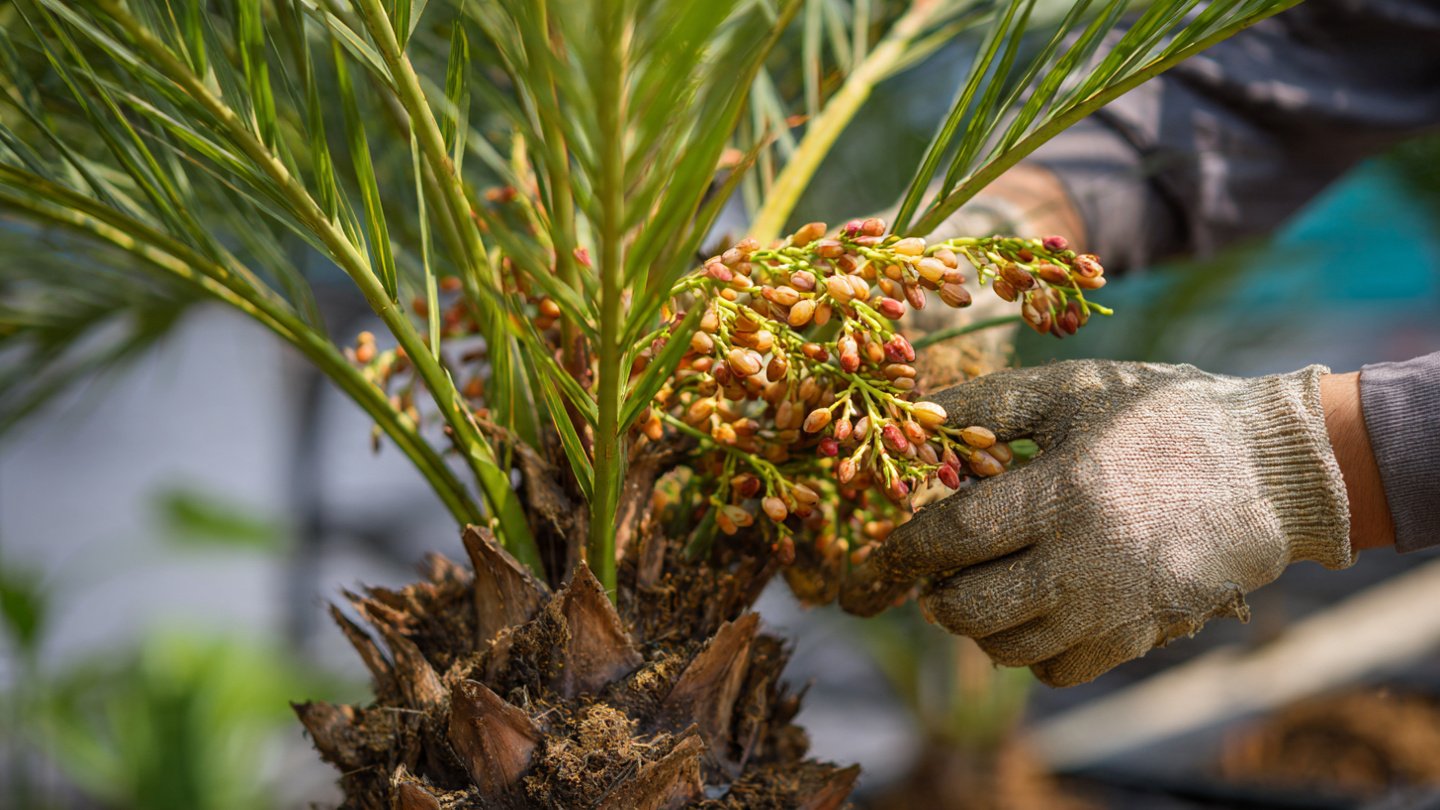
Date palms (Phoenix dactylifera) are not only iconic symbols of the desert but also provide delicious, nutritious fruit that has been cherished for thousands of years. While often associated with large plantations in arid regions, growing a date palm at home is entirely possible—even in a garden, patio, or large indoor space. With proper guidance, patience, and care, you can cultivate a healthy date palm tree from seeds or offshoots and enjoy its beauty and bounty for years to come. This step-by-step guide will walk you through everything you need to know to grow your own date palm tree at home.
Step 1: Choosing Your Date Palm Variety
Before you start planting, it’s important to decide which variety of date palm you want to grow. There are many cultivars, each with unique characteristics in terms of size, fruit quality, and growth conditions. Some popular varieties include:
- Medjool – Known for large, sweet, soft fruits. Requires warm climates.
- Deglet Noor – A medium-sized date with a semi-dry texture; very popular worldwide.
- Khadrawy – Sweet, soft, and ideal for home gardens.
Keep in mind that date palms are dioecious, meaning there are separate male and female plants. Only female trees produce fruit, but a male plant is necessary for pollination if you are starting from seeds. For home gardeners, buying a female offshoot from a nursery ensures fruiting potential.
Step 2: Sourcing Date Palm Seeds or Offshoots
You can start a date palm from either seeds or young offshoots (also called suckers). Here’s what to consider:
- Seeds: Fresh seeds from ripe dates have a higher germination rate. Avoid seeds that are too dry or old.
- Offshoots: These are the safest and quickest way to grow a productive date palm, as they are clones of the parent tree and will bear fruit sooner than seed-grown palms.
If using seeds, remove the fleshy date flesh, wash the seeds thoroughly, and allow them to dry for a day or two before planting.
Step 3: Preparing Seeds for Germination
Germinating date seeds can take patience, but the following method increases your chances of success:
- Soaking: Soak cleaned seeds in warm water for 24–48 hours to soften the hard seed coat.
- Scarification (Optional): Lightly nick the seed coat with a file or sandpaper to allow water absorption. Be careful not to damage the inner embryo.
- Planting Medium: Use a well-draining seed-starting mix or a blend of sand, perlite, and potting soil. Avoid heavy soils that retain too much water.
- Planting: Plant seeds 1–2 cm deep, with the pointed end facing upward. Cover lightly with soil.
- Humidity: Place seeds in a warm, humid environment. Wrapping the pot with plastic wrap or using a humidity dome helps maintain moisture.
- Temperature: Keep the soil consistently warm, ideally between 25–30°C (77–86°F), to encourage germination.
Germination may take anywhere from 1 month to several months, so patience is key. Once sprouts appear, remove any plastic covering and gradually acclimate the seedlings to open air.
Step 4: Potting and Initial Care
When seedlings reach 4–6 inches in height, it’s time to transplant them into individual pots. Here’s how:
- Pot Size: Start with a 6–8 inch pot with drainage holes.
- Soil: Use a sandy, well-draining mix with added compost for nutrients. Date palms prefer slightly alkaline soil (pH 7–8).
- Watering: Keep the soil slightly moist but not waterlogged. Overwatering can rot roots.
- Light: Place seedlings in bright, indirect sunlight if grown indoors. Outdoors, provide partial shade until the plants are strong enough for full sun.
At this stage, you can also start feeding the seedlings with a diluted balanced liquid fertilizer once every 4–6 weeks.
Step 5: Transplanting to Larger Pots or Ground
After 6–12 months, your young date palm will be ready for a larger pot or permanent planting in the garden. Consider the following:
- Pot Size: Use a large container, at least 18–24 inches in diameter.
- Garden Planting: Choose a sunny spot with well-draining soil. Avoid areas with poor drainage or heavy clay.
- Soil Preparation: Mix garden soil with sand and organic compost to improve drainage and fertility.
- Spacing: Date palms grow tall and wide. Ensure at least 15–20 feet of space if planting multiple trees.
When transplanting, gently loosen the roots and avoid damaging the delicate root tips. Water thoroughly after planting.
Step 6: Watering and Fertilization
Date palms are drought-tolerant once established but require regular watering during the initial growth stage:
- Watering Schedule: Water seedlings 2–3 times a week. Mature trees need less frequent but deep watering.
- Fertilization: Apply a balanced fertilizer (N-P-K 10-10-10) every 2–3 months for young plants. Mature trees benefit from potassium-rich fertilizers to support fruit development.
- Mulching: Use organic mulch around the base to retain moisture and regulate soil temperature.
Step 7: Pruning and Maintenance
Regular pruning keeps your date palm healthy and attractive:
- Remove Dead Fronds: Cut brown, dried leaves at the base to prevent pests.
- Avoid Over-Pruning: Never remove too many green fronds; they are essential for photosynthesis.
- Pest Control: Watch for spider mites, aphids, or scale insects. Use insecticidal soap or neem oil if infestations occur.
Step 8: Pollination for Fruit Production
If your goal is to harvest dates, pollination is essential:
- Hand Pollination: If growing indoors or only a few trees, collect pollen from a male tree and apply it to female flowers using a small brush.
- Timing: Pollinate during the flowering stage in late spring to early summer.
- Fruit Development: Fruits take several months to ripen. Date palms produce clusters of dates that gradually change color from green to yellow, amber, or brown depending on the variety.
Step 9: Patience and Growth Timeline
Growing a date palm requires patience. Here’s what to expect:
- Seedlings from Seeds: May take 5–8 years to bear fruit.
- Offshoots: Can produce fruit in 3–5 years.
- Mature Height: Date palms can reach 20–75 feet outdoors; in containers, height is naturally restricted, making them manageable for patios or gardens.
Remember, even if fruiting takes time, the lush foliage of date palms adds a tropical aesthetic to any space.
Step 10: Tips for Success
- Sunlight: Full sun is ideal; at least 6–8 hours per day.
- Temperature: Date palms prefer hot, dry conditions but can tolerate mild frost once mature.
- Soil: Sandy, well-draining soil is key; heavy clay or waterlogged soil can kill roots.
- Container Size: For indoor palms, choose large pots to accommodate root growth.
- Fertilizer: Regular feeding accelerates growth and improves fruit quality.
- Pest Monitoring: Keep an eye out for common pests and diseases, especially scale insects and fungal infections.
- Patience: Fruit may take several years, but the ornamental value and greenery make the wait worthwhile.
Step 11: Creative Uses and Benefits
Growing a date palm at home has many advantages:
- Fresh Dates: Enjoy sweet, nutritious fruits without additives.
- Ornamental Value: Adds tropical charm to gardens, patios, or indoor spaces.
- Air Quality: Date palms can help improve air quality indoors.
- Shade: Mature palms provide shade for smaller plants underneath.
- Educational: Watching your palm grow is a great learning experience for kids and adults alike.
Step 12: Troubleshooting Common Issues
- Slow Germination: Ensure seeds are fresh and warm, with consistent moisture.
- Yellowing Leaves: Could indicate overwatering, nutrient deficiency, or poor soil drainage.
- No Flowers: Young plants may not flower for several years; offshoots flower earlier.
- Pests: Inspect regularly and treat early to prevent infestations from spreading.
Conclusion
Growing your own date palm tree at home is an enriching and rewarding experience. While it requires patience, proper care, and attention to detail, the outcome—a beautiful tropical tree and potentially delicious homegrown dates—is worth the effort. Whether you start from seeds or offshoots, follow this step-by-step guide to give your date palm the best chance of thriving. With sunlight, well-drained soil, proper watering, and regular care, your home garden or indoor space can soon be home to a majestic date palm that will flourish for decades.
So, grab your seeds or offshoots, prepare your soil, and embark on this exciting journey of cultivating your very own date palm tree at home. In time, you’ll enjoy both the visual appeal and the sweet, natural rewards of your labor.