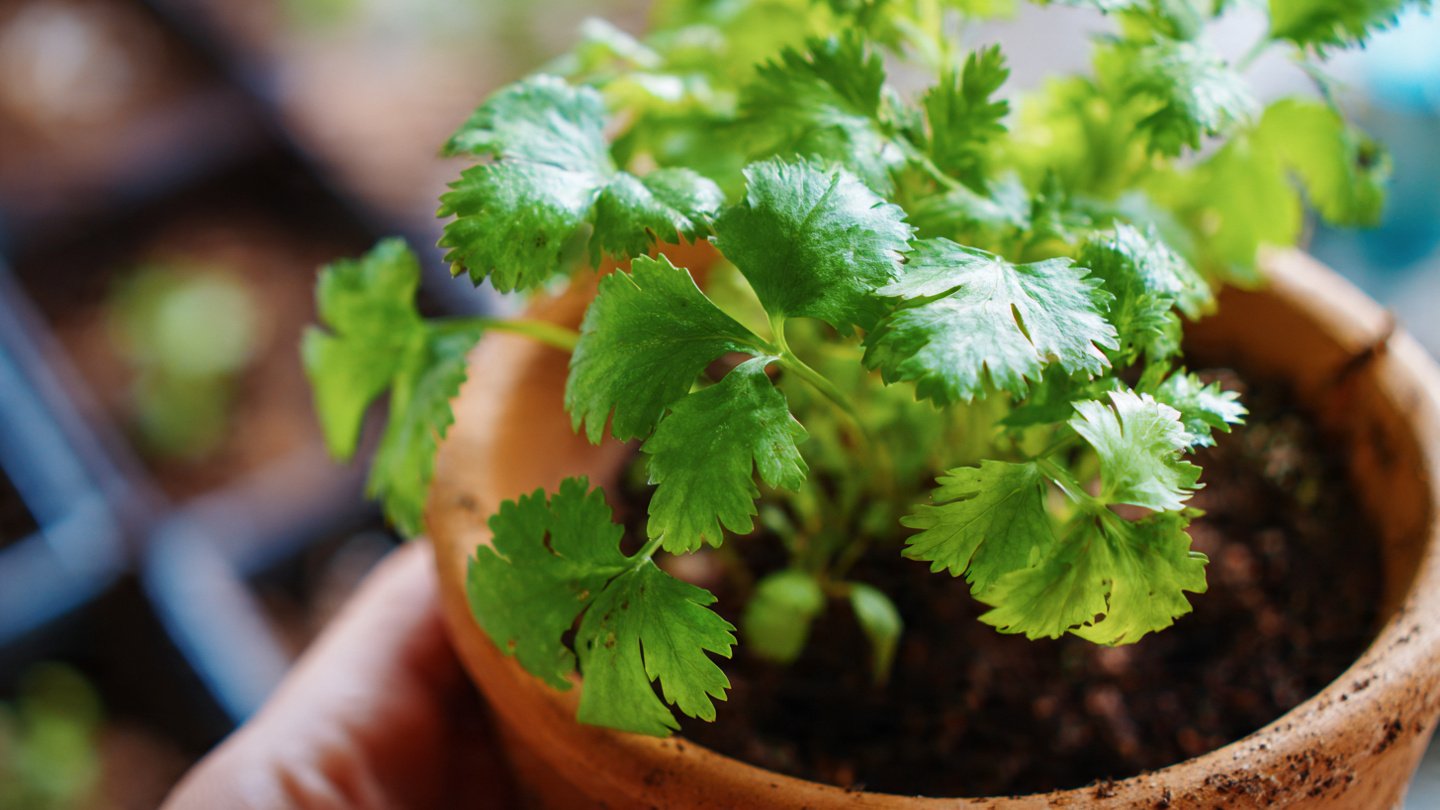
Coriander, also known as cilantro, is one of the most popular herbs in kitchens around the world. Its fresh, vibrant leaves add a burst of flavor to salads, curries, soups, and sauces. For many home cooks, nothing beats the taste of freshly harvested coriander compared to store-bought bundles that quickly lose aroma and freshness. The good news is that growing coriander at home is surprisingly easy, even for beginners. With the right techniques, you can enjoy a continuous supply of this aromatic herb right from your balcony, kitchen windowsill, or backyard garden.
In this guide, we’ll cover everything you need to know about cultivating coriander successfully, from choosing the right seeds and soil to watering, harvesting, and preventing common problems.
Why Grow Coriander at Home?
Growing coriander at home comes with several benefits:
- Freshness – Homegrown coriander is far more flavorful and aromatic than store-bought options.
- Continuous Supply – With proper care, you can enjoy fresh coriander year-round.
- Cost-Effective – Growing your own coriander saves money and reduces trips to the grocery store.
- Pesticide-Free – You control what goes into your soil, ensuring a healthy, chemical-free herb.
- Convenience – Harvest whenever needed, right from your kitchen or balcony.
Choosing the Right Seeds
The first step to a thriving coriander herb garden is selecting the right seeds. Coriander seeds can vary slightly depending on the variety. Some tips:
- Check Local Varieties – If possible, choose seeds suited to your climate.
- Opt for Organic Seeds – Organic seeds are less likely to contain chemical treatments and are often more robust.
- Look for Quick-Germinating Varieties – Some coriander seeds germinate faster, ensuring a steady supply of fresh leaves.
Best Soil and Containers for Coriander
Coriander thrives in well-drained, fertile soil with plenty of organic matter. Here’s how to prepare the perfect growing medium:
- Soil Mix – Use a mixture of garden soil, compost, and sand in a 2:1:1 ratio. This ensures adequate drainage while retaining enough moisture.
- pH Level – Coriander prefers slightly acidic to neutral soil, with a pH of 6.2–6.8.
- Containers – You can grow coriander in garden beds, pots, or window boxes. Ensure the container has drainage holes to prevent waterlogging.
Planting Coriander Seeds
Coriander can be sown directly into the soil or in containers. Here’s the step-by-step process:
- Soak Seeds (Optional) – Soak seeds in water for 24 hours to improve germination.
- Sow Seeds – Plant seeds about ½ inch deep in the soil, spaced 2–3 inches apart.
- Cover Lightly – Gently cover with a thin layer of soil.
- Water Gently – Use a fine mist to keep the soil evenly moist but not waterlogged.
- Provide Light – Place containers in a sunny spot with at least 4–5 hours of sunlight per day.
Coriander seeds typically germinate in 7–10 days under ideal conditions.
Caring for Your Coriander Plants
Proper care is essential for healthy, lush coriander plants. Here’s what to focus on:
1. Watering
- Keep the soil consistently moist, especially during germination and early growth stages.
- Avoid overwatering, which can lead to root rot.
- Water at the base of the plant to prevent wetting the leaves, reducing the risk of fungal infections.
2. Sunlight
- Coriander grows best in full sun but can tolerate partial shade in hot climates.
- Too much shade may result in leggy plants with fewer leaves.
3. Fertilizing
- Use a balanced, water-soluble fertilizer once every 3–4 weeks.
- Alternatively, mix compost or well-rotted manure into the soil before planting for natural nourishment.
- Avoid over-fertilizing, as excessive nitrogen can reduce leaf flavor.
4. Thinning
- When seedlings reach 2–3 inches in height, thin them to prevent overcrowding.
- Leave 4–6 inches between plants to allow ample space for growth.
Encouraging Continuous Growth
Coriander is a fast-growing herb but has a short lifespan. The leaves can become bitter when the plant bolts (produces flowers and seeds). Here’s how to extend your harvest:
- Succession Planting – Sow new seeds every 2–3 weeks to ensure a continuous supply.
- Pinching – Regularly pinch off the tips of the plants to encourage bushier growth.
- Remove Flower Stalks – As soon as flower buds appear, cut them to prevent the plant from bolting and going to seed prematurely.
Harvesting Coriander
Harvesting is easy and rewarding. Follow these tips to get the most flavorful leaves:
- First Harvest – Begin harvesting when the plant reaches 6 inches tall.
- Selective Harvesting – Cut outer leaves first, leaving inner leaves to continue growing.
- Use Sharp Scissors – Avoid pulling leaves, as this can damage the plant.
- Timing – Harvest in the morning for the most intense flavor.
After a few harvests, the plant may start flowering. At this stage, you can either allow it to go to seed for coriander seeds or start a new batch of seedlings.
Dealing With Common Problems
Even homegrown coriander can encounter issues. Here are some solutions to common problems:
1. Bolting
- Bolting occurs when plants flower prematurely, often due to heat or long daylight hours.
- Solution: Sow seeds in cooler months, provide partial shade, and pinch flower stalks early.
2. Pests
- Aphids, whiteflies, and spider mites can infest coriander.
- Solution: Spray with a mild neem oil solution or use natural predators like ladybugs.
3. Fungal Diseases
- Powdery mildew and leaf spot can occur in humid or poorly ventilated conditions.
- Solution: Ensure good airflow, avoid overhead watering, and remove affected leaves promptly.
Growing Coriander Indoors
Coriander grows well indoors, making it perfect for small spaces or kitchen gardens.
- Container Size – Choose pots at least 8–10 inches deep for healthy root development.
- Light – Place near a south-facing window or use grow lights for 4–6 hours of daily light.
- Temperature – Coriander prefers cooler temperatures of 18–25°C (65–77°F). Avoid placing near heat vents.
- Regular Harvest – Indoor plants may need more frequent harvesting to prevent overcrowding.
Benefits of Growing Your Own Coriander
Growing coriander at home isn’t just convenient—it also offers numerous benefits:
- Nutritional Value – Coriander is rich in vitamins A, C, and K, as well as antioxidants.
- Fresh Flavor – Homegrown coriander has a far superior taste and aroma compared to store-bought herbs.
- Sustainable Gardening – Reduces reliance on packaged herbs, contributing to less waste.
- Therapeutic Gardening – Growing herbs is a relaxing hobby that connects you with nature.
Tips for a Thriving Coriander Garden
- Rotate Crops – Avoid planting coriander in the same spot repeatedly to reduce soil-borne diseases.
- Keep Soil Moist – Consistent watering prevents stress and bitterness.
- Provide Adequate Space – Avoid overcrowding, which reduces airflow and increases the risk of disease.
- Use Organic Fertilizers – Encourages healthy growth without compromising flavor.
- Harvest Regularly – Frequent harvesting promotes bushier plants and longer production.
Conclusion
Growing fresh coriander at home is simple, rewarding, and highly beneficial for any home cook. With the right seeds, soil, and care, you can enjoy a continuous supply of vibrant, aromatic leaves right at your fingertips. Remember to sow seeds in intervals, water consistently, prune flower stalks, and harvest selectively for the best results.
Whether you have a spacious backyard or a small kitchen windowsill, cultivating coriander is a satisfying way to elevate your culinary creations while embracing sustainable and healthy gardening practices. By following this complete guide, your coriander plants will thrive, providing fresh, flavorful leaves for all your dishes, day after day.
Start today, and in just a few weeks, you’ll be snipping fresh coriander for your favorite meals—no store trips required!