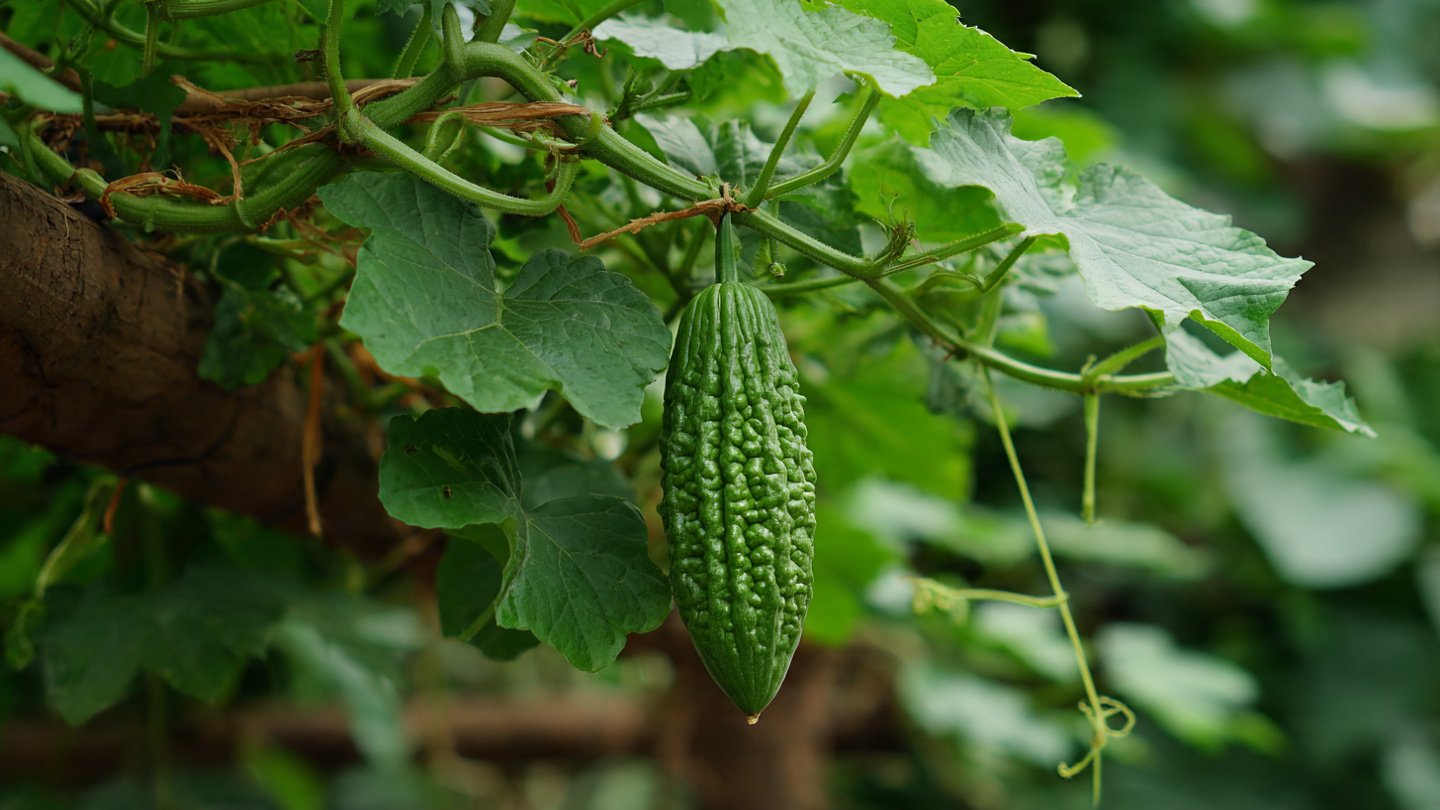
Bitter gourd, also known as bitter melon or karela, is a powerhouse vegetable widely celebrated for its health benefits. Its distinct bitter taste may not win everyone over, but its nutritional and medicinal value is undeniable. Rich in vitamins, minerals, and antioxidants, bitter gourd supports digestion, helps regulate blood sugar, and boosts immunity. Growing bitter gourd at home is not only rewarding but also ensures fresh, chemical-free produce right from your garden.
The good news is that bitter gourd is surprisingly easy to grow at home, whether you have a backyard garden, balcony, or even a small terrace. With the right techniques, care, and a little patience, you can enjoy a thriving plant that produces abundant fruits throughout the season.
Why Grow Bitter Gourd at Home?
There are multiple reasons to cultivate bitter gourd in your home garden:
- Fresh and Organic: Avoid chemical-laden store-bought vegetables by growing your own pesticide-free bitter gourd.
- Health Benefits: Homegrown bitter gourd retains its natural nutrients and medicinal properties.
- Cost-Effective: Once planted, the plant can produce multiple harvests, saving money over time.
- Therapeutic Gardening: Growing vegetables at home reduces stress and connects you with nature.
Choosing the Right Variety
Bitter gourd comes in several varieties, each with unique characteristics. Selecting the right type can determine the quality of your harvest:
- Small Indian Varieties: Known for their intense bitterness and small, tender fruits. Ideal for traditional dishes.
- Long Green Varieties: Slender and elongated fruits, less bitter, suitable for stir-fries and stuffed recipes.
- Hybrid Varieties: Often less bitter, higher yield, and resistant to common diseases.
When starting your home garden, choose a variety that aligns with your taste preference, growing space, and climate conditions.
Preparing the Growing Space
Bitter gourd is a climbing vine, so providing adequate support and space is essential. Here’s how to prepare your growing area:
- Sunlight: Bitter gourd requires at least 6–8 hours of direct sunlight daily. Choose a sunny balcony, terrace, or backyard spot.
- Soil: Well-drained, fertile soil rich in organic matter is ideal. Sandy loam or garden soil mixed with compost works best.
- Containers: For small spaces, grow bitter gourd in large pots or grow bags. Ensure a container size of 12–15 inches in diameter with good drainage holes.
- Trellis or Support: Use bamboo sticks, wire mesh, or vertical trellises for the vine to climb. This promotes healthy growth and prevents fruits from touching the soil.
Sowing Seeds and Germination
Bitter gourd can be grown from seeds directly sown in soil or started indoors and later transplanted.
Steps to Sow Seeds Directly:
- Soak seeds overnight in water to soften the hard seed coat, which improves germination.
- Fill your container or garden bed with a nutrient-rich potting mix.
- Plant the seeds ½–1 inch deep, spacing them 12–18 inches apart.
- Water gently to keep the soil moist but not waterlogged.
Germination typically occurs within 7–14 days, depending on temperature and seed quality. Keep the soil consistently moist during this period for best results.
Transplanting Seedlings
If you started seeds indoors, transplant seedlings carefully once they develop 2–3 true leaves:
- Choose a sunny, prepared spot with well-draining soil.
- Dig a hole slightly larger than the seedling root ball.
- Place the seedling gently and cover with soil, firming it lightly around the base.
- Water immediately to reduce transplant shock.
Transplanting ensures stronger, healthier plants that are better prepared for outdoor conditions.
Caring for Your Bitter Gourd Plant
Once established, your bitter gourd plant will need regular care to thrive:
Watering
- Keep the soil consistently moist but avoid waterlogging.
- Use a drip irrigation system or bottom watering for containers to prevent leaf diseases.
Fertilization
- Apply a balanced organic fertilizer every 2–3 weeks.
- Use compost, cow dung, or vermicompost for natural growth enhancement.
- Nitrogen-rich fertilizers promote leafy growth, while phosphorus and potassium support flowering and fruiting.
Pruning and Training
- Train the vine along the trellis, gently tying stems if necessary.
- Remove weak or yellow leaves to encourage better air circulation and sunlight penetration.
- Pinch growing tips after 3–4 nodes to promote lateral branching and more fruiting sites.
Pollination
Bitter gourd plants produce male and female flowers. For fruiting, pollen from male flowers must reach female flowers.
- Insects like bees naturally pollinate the flowers.
- If grown indoors or in low-pollinator areas, hand pollination can be done using a small brush or cotton swab.
- Fertilized female flowers will develop into fruits within 1–2 weeks.
Harvesting Your Bitter Gourd
Knowing when to harvest is key to enjoying tender, flavorful fruits:
- Harvest fruits when they are green and firm, before turning yellow.
- Use a sharp knife or scissors to cut the fruit from the vine to avoid damaging the plant.
- Frequent harvesting encourages the plant to produce more fruits.
- Avoid leaving overripe fruits on the vine, as they reduce overall yield.
Common Challenges and Solutions
Even homegrown bitter gourd plants may face issues. Here are some tips to handle common problems:
- Pests: Aphids, fruit flies, and whiteflies may attack. Use neem oil, garlic spray, or insecticidal soap as natural remedies.
- Diseases: Powdery mildew, downy mildew, and leaf blight are common. Ensure good air circulation, proper spacing, and avoid overhead watering.
- Nutrient Deficiency: Yellowing leaves indicate a lack of nitrogen. Apply compost or organic fertilizers to correct deficiencies.
- Poor Flowering: Inadequate sunlight or improper pruning may reduce flowering. Ensure 6–8 hours of sunlight and maintain healthy vine growth.
Benefits of Growing Bitter Gourd at Home
Homegrown bitter gourd offers a variety of advantages beyond just fresh produce:
- Nutritional Boost: Packed with vitamin C, iron, potassium, and antioxidants.
- Supports Health: Known to improve blood sugar levels, aid digestion, and boost immunity.
- Eco-Friendly: Growing your own reduces reliance on store-bought vegetables and packaging waste.
- Therapeutic: Gardening reduces stress, enhances mood, and provides a sense of accomplishment.
Creative Uses for Homegrown Bitter Gourd
Once harvested, bitter gourd can be used in numerous ways:
- Culinary: Stir-fries, curries, soups, and stuffed bitter gourd dishes.
- Juice: Fresh bitter gourd juice is popular for its medicinal benefits.
- Pickles: Preserves the bitter taste and offers long-term storage.
- Drying: Sun-dried slices can be used in teas or as a supplement in cooking.
By growing it yourself, you ensure chemical-free produce, making every meal healthier and tastier.
Tips for Thriving Plants
- Rotate containers or plant positions occasionally to ensure uniform sunlight.
- Regularly check soil moisture, especially in hot climates.
- Mulch around the base with straw or dried leaves to retain soil moisture and control weeds.
- Encourage beneficial insects like ladybugs and bees for natural pollination and pest control.
Conclusion
Growing bitter gourd at home is not only feasible but also highly rewarding. With minimal space, proper care, and attention, anyone can cultivate this nutritious vegetable and enjoy a bountiful harvest of fresh, organic fruits. From selecting the right seeds and preparing soil to trellising, watering, and harvesting, each step contributes to a thriving plant.
Embracing homegrown bitter gourd is more than gardening; it’s a lifestyle choice that blends health, sustainability, and the joy of growing your own food. So, roll up your sleeves, prepare your containers, and start your bitter gourd journey today—you’ll be amazed at the magic a single plant can bring to your home and your health!