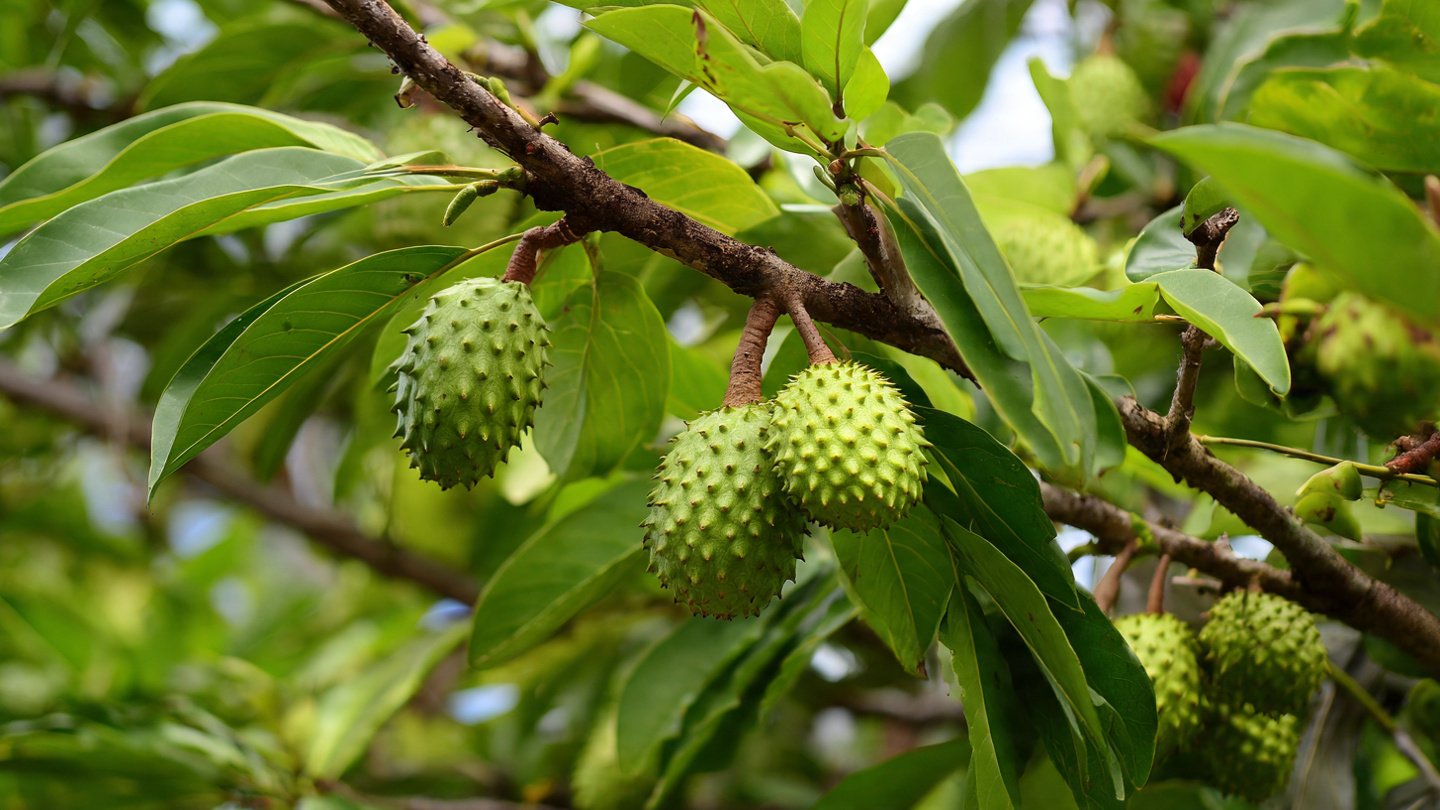
Soursop, scientifically known as Annona muricata, is a tropical fruit celebrated for its unique flavor—a tangy combination of strawberry and pineapple with hints of citrus. Beyond its delicious taste, soursop is renowned for its nutritional and medicinal properties, including antioxidants, vitamins, and potential immune-boosting compounds. For home gardeners and fruit enthusiasts, growing soursop trees can be a rewarding endeavor. However, growing from seeds often results in slow growth and delayed fruiting.
Enter grafting—the secret technique smart gardeners use to accelerate growth, enhance fruit quality, and increase yields. Grafting is not only a way to propagate soursop efficiently but also a method to ensure that your tree retains desirable traits from parent plants. In this comprehensive guide, we explore how to graft a soursop tree, step by step, and uncover the benefits that make this technique indispensable for fruit growers.
1. Why Grafting is a Game-Changer
Grafting involves joining a healthy shoot, called the scion, from a desired soursop variety onto the rootstock of another tree. This combination produces a single tree with enhanced qualities. Here’s why grafting is so effective:
- Faster Fruiting: Seed-grown soursop trees can take 3–5 years to bear fruit, while grafted trees often start producing within 1–2 years.
- Bigger Harvests: Grafted trees generally have stronger, more vigorous growth, resulting in higher fruit yields.
- Uniform Fruit Quality: Grafting ensures that the fruit has consistent taste, size, and texture.
- Disease Resistance: Choosing a hardy rootstock can provide resistance to soil-borne diseases and pests.
- Space Efficiency: Grafted trees can be pruned and managed more easily, making them ideal for home gardens.
Understanding these benefits highlights why grafting is a preferred method for both hobbyists and commercial growers seeking optimal results.
2. Choosing the Right Rootstock and Scion
Successful grafting begins with selecting compatible and healthy plant material:
- Rootstock Selection: The rootstock should be young, disease-free, and well-established. It is often grown from seeds or cuttings and serves as the foundation for the graft. The rootstock contributes vigor, resilience, and adaptability to the environment.
- Scion Selection: The scion is a shoot or bud taken from a mature soursop tree with desirable traits, such as high fruit quality, large size, or disease resistance. Choose a scion that is healthy, 6–12 inches long, and has several dormant buds.
Compatibility between rootstock and scion is crucial. Both should belong to the same species or closely related varieties to ensure successful graft union.
3. Timing Your Graft
Timing plays a critical role in grafting success. The ideal season for soursop grafting is during the active growth period, usually the early rainy season in tropical climates. During this period, sap flow is vigorous, which promotes better healing and faster union between the scion and rootstock. Avoid grafting during periods of drought, extreme heat, or heavy rainfall, as these conditions can hinder graft success.
4. Preparing for the Graft
Before you begin, gather the necessary tools and materials:
- A sharp grafting knife or sterilized razor blade
- Pruning shears
- Grafting tape or plastic wrap to secure the graft
- Rootstock and scion prepared as described
- Hormone rooting powder (optional, to enhance healing)
Sterilize all tools with alcohol or a bleach solution to prevent infections. Healthy and clean materials dramatically increase the chances of a successful graft.
5. Types of Grafting Techniques for Soursop
There are several grafting methods suitable for soursop trees. The most common techniques include:
A. Whip-and-Tongue Graft
- Prepare the Rootstock: Make a diagonal cut about 1–2 inches long.
- Prepare the Scion: Make a matching diagonal cut on the scion and create a small tongue in both the rootstock and scion.
- Join Scion and Rootstock: Slide the tongues together so they interlock tightly.
- Secure the Graft: Wrap with grafting tape to hold the scion in place and protect the exposed surfaces.
This method provides maximum contact between cambium layers, enhancing the chances of a successful union.
B. Cleft Graft
- Split the Rootstock: Make a vertical cut or cleft at the top of the rootstock.
- Prepare the Scion: Shape the bottom of the scion into a wedge.
- Insert the Scion: Place the wedge into the cleft, ensuring cambium layers align.
- Secure and Protect: Wrap the graft and apply grafting wax to prevent moisture loss.
Cleft grafting is especially useful for larger rootstocks or when repairing damaged trees.
C. Bud Graft (Budding)
- Select a Healthy Bud: Carefully remove a single bud from the scion.
- Prepare the Rootstock: Make a T-shaped cut in the bark.
- Insert the Bud: Slide the bud into the cut and wrap it to secure.
- Wait for Union: The bud will develop into a new branch once it successfully takes.
Bud grafting is efficient and requires less scion material, but it may take longer for fruit production compared to whip-and-tongue grafts.
6. Caring for the Grafted Tree
After grafting, proper care is essential for successful union and vigorous growth:
- Protection: Shield the graft from direct sunlight and heavy rain for the first 2–3 weeks.
- Watering: Keep the soil consistently moist but not waterlogged. Overwatering can cause rot at the graft site.
- Monitoring: Check the graft regularly for signs of growth or infection. Remove damaged or diseased leaves promptly.
- Removing Ties: Once the graft has successfully united (usually 4–6 weeks), carefully remove the tape to prevent girdling.
Healthy post-graft care ensures that the scion integrates seamlessly with the rootstock and establishes strong growth.
7. Pruning for Maximum Yield
Pruning is vital for shaping the tree, improving airflow, and encouraging abundant fruiting:
- Initial Pruning: Remove weak or competing shoots from the rootstock.
- Maintenance Pruning: Cut back lateral branches to direct energy toward fruit-bearing shoots.
- Fruit Management: Thin excessive fruit to prevent branch breakage and enhance size and quality.
Pruning, combined with grafting, allows gardeners to cultivate a tree that is both productive and manageable in size.
8. Common Challenges and Solutions
Even with proper grafting techniques, challenges can arise:
- Graft Failure: Misalignment of cambium layers or infection can prevent union. Solution: Ensure precise cuts and sterile tools.
- Pest Infestation: Aphids, scale, and fruit flies can affect young grafts. Solution: Use organic insecticidal sprays or natural predators.
- Disease: Fungal infections can compromise grafts. Solution: Maintain good airflow and avoid overwatering.
- Environmental Stress: Extreme heat or cold can stunt growth. Solution: Provide shade or protective covers when necessary.
Monitoring your grafted soursop tree closely during the early months is crucial to overcoming these issues.
9. Harvesting Tips
Grafted soursop trees generally produce fruit faster and with higher quality than seed-grown trees. Here’s how to maximize your harvest:
- Timing: Soursop fruits mature 3–5 months after flowering. The skin changes from dark green to slightly lighter green, and the fruit becomes soft at the tips.
- Harvesting: Pick the fruit carefully to avoid damaging branches. Use sharp pruning shears for large fruits.
- Storage: Soursop is perishable and best consumed fresh. Refrigeration can extend shelf life for a few days.
Faster and more consistent fruiting is the key reward of grafting, giving gardeners a quicker return on their efforts.
10. Long-Term Benefits of Grafting Soursop
Grafting soursop trees is not just a short-term solution—it offers long-term advantages:
- Consistency: Grafted trees maintain the flavor, size, and quality of the parent variety.
- Productivity: Trees are more vigorous and can produce fruit multiple times per year in favorable climates.
- Durability: Rootstock selection can improve resistance to local soil conditions, pests, and diseases.
- Aesthetic Appeal: Well-grafted trees have balanced growth and attractive structure.
For home gardeners, grafting transforms the experience from a waiting game into a productive, rewarding process.
11. Conclusion
For gardeners eager to cultivate soursop at home, grafting is a smart and effective strategy. By carefully selecting rootstock and scion, employing precise grafting techniques, and providing attentive care, you can accelerate growth, enjoy bigger and more consistent harvests, and ensure your tree maintains desirable fruit traits.
This technique is not just for experts; with patience, attention to detail, and an understanding of seasonal and environmental factors, even beginner gardeners can master soursop grafting. The reward is a healthy, productive tree that delivers delicious, nutrient-rich fruit for years to come.
Embracing grafting as part of your home gardening toolkit unlocks the full potential of your soursop trees, turning a simple backyard project into a fruitful and satisfying endeavor. With the right approach, your grafted soursop can become the centerpiece of a tropical-inspired garden and a source of fresh, sweet, and tangy fruit for family and friends.