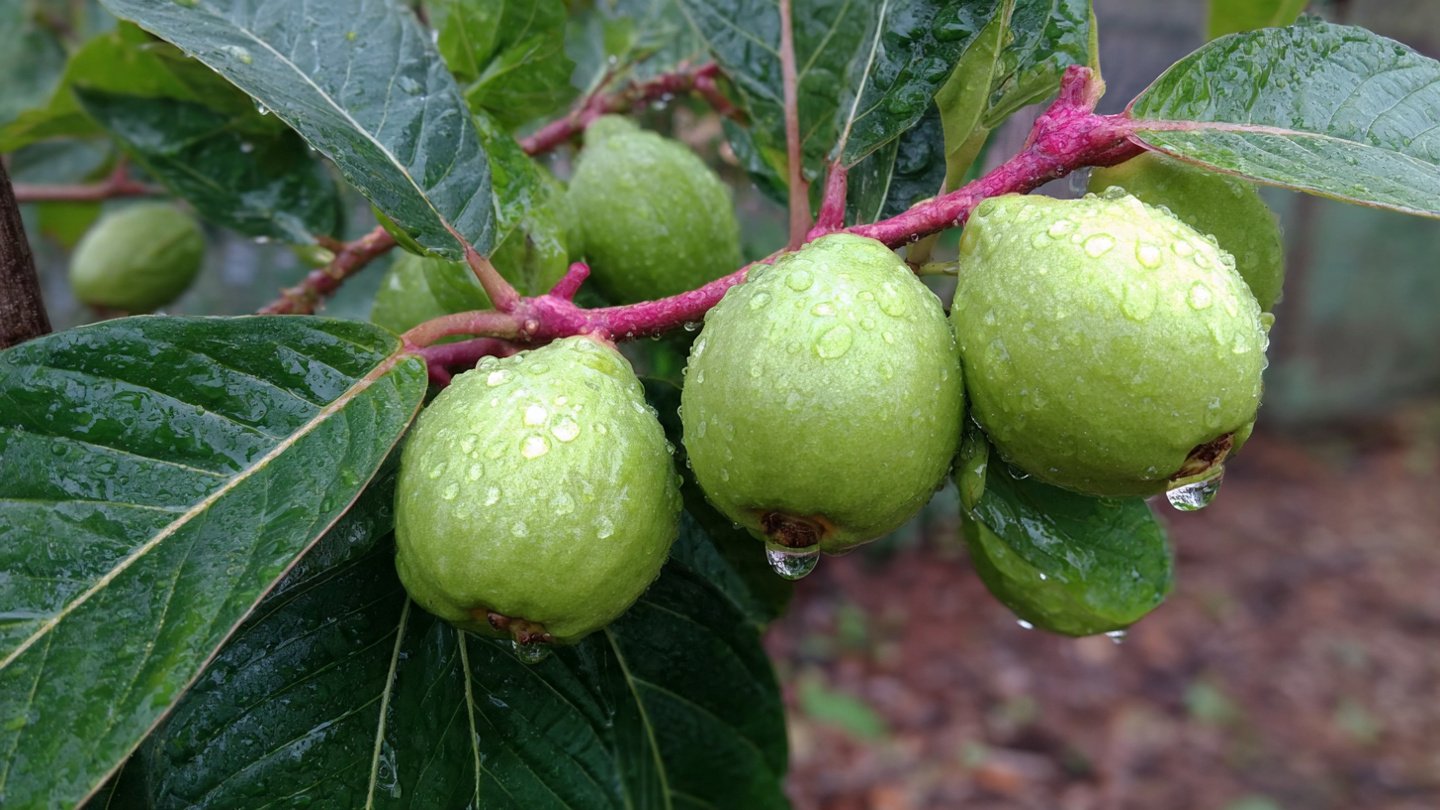
Guava, known for its fragrant aroma and sweet, tropical flavor, is a favorite fruit for both home gardeners and commercial growers. While guava trees are relatively easy to cultivate, achieving bigger, sweeter, and faster fruits requires careful planning and smart techniques. One of the most effective methods is grafting guava onto hardy rootstocks. This technique combines the best qualities of two plants: the strong, disease-resistant root system of one and the high-quality fruit traits of another. In this guide, we’ll explore why grafting is a game-changer for guava growers and how to implement it safely and effectively.
Why Grafting Guava Matters
Guava trees can be grown from seeds, but seed-grown trees often take longer to bear fruit and may produce inconsistent fruit quality. On the other hand, grafting allows growers to control the characteristics of the fruit while also improving the tree’s resilience.
Benefits of Grafting:
- Faster Fruit Production: Seed-grown guava trees can take 3–5 years to bear fruit, whereas grafted trees often produce fruits in 1–2 years.
- Bigger and Sweeter Fruits: Using high-quality scions from proven varieties ensures consistent fruit size, flavor, and sweetness.
- Disease and Pest Resistance: Hardy rootstocks provide a strong foundation, helping the tree resist soil-borne diseases and pests.
- Better Adaptation to Soil and Climate: Rootstocks can be chosen based on soil type, water availability, and climatic conditions, allowing guava to thrive in less-than-ideal environments.
Grafting is not just a technical procedure; it is a strategic tool that maximizes productivity and quality in guava cultivation.
Understanding Guava Grafting
Grafting involves joining a scion (the upper part of a plant that produces the fruit) onto a rootstock (the lower part, which forms the roots and base). For guava, the scion is usually taken from a high-yielding, sweet-fruited variety, while the rootstock is chosen for its hardiness, disease resistance, and adaptability.
Choosing the Right Rootstock
Selecting the correct rootstock is critical to successful grafting. Hardy rootstocks for guava include:
- Seedling Guava Rootstock: Young guava seedlings are commonly used for their strong root system.
- Disease-Resistant Varieties: Some rootstocks resist soil-borne pathogens such as wilt or nematodes.
- Drought-Tolerant Varieties: Ideal for regions with irregular rainfall or poor irrigation facilities.
Rootstocks should be healthy, vigorous, and free from disease to ensure proper grafting success.
Selecting the Scion
The scion determines the fruit quality and should be chosen carefully:
- Use mature, healthy branches from a proven fruiting guava tree.
- Cut scions 4–6 inches long with 2–3 buds each.
- Avoid diseased or weak branches, as these reduce grafting success.
Types of Grafting for Guava
Several grafting techniques work well for guava, each with its advantages:
1. Cleft Grafting
- Ideal for joining a small scion to a thicker rootstock.
- A V-shaped cut is made in the rootstock, and the scion is inserted and secured with grafting tape.
2. Approach Grafting
- Both scion and rootstock remain attached to their parent plants initially.
- After the graft union forms, the original base of the scion is cut off.
- Provides a high success rate but requires more space.
3. Budding or T-Budding
- Involves inserting a single bud from the desired variety into the rootstock.
- Less material is needed, and it is suitable for small-scale propagation.
Cleft grafting is often preferred for beginners and small-scale growers because it is relatively simple and produces quick results.
Step-by-Step Guide to Grafting Guava
- Prepare the Rootstock:
- Choose a healthy seedling 6–12 months old.
- Cut the top of the rootstock to create a straight surface for grafting.
- Prepare the Scion:
- Select a 4–6 inch healthy branch with 2–3 buds.
- Trim the bottom into a wedge shape to fit into the rootstock.
- Join Scion and Rootstock:
- Make a cleft in the rootstock and insert the scion wedge.
- Ensure cambium layers of both scion and rootstock align for nutrient transfer.
- Secure the Graft:
- Wrap the union tightly with grafting tape or a plastic strip.
- Seal with grafting wax if available to prevent moisture loss and infection.
- Aftercare:
- Keep the grafted plant in a shaded area for a few weeks.
- Water regularly without waterlogging the soil.
- Remove any shoots emerging from the rootstock to focus energy on the scion.
With proper care, the graft should take 2–4 weeks, and the scion will start producing new growth.
Caring for Grafted Guava Trees
Once the graft has taken, ongoing care is essential for healthy growth and fruiting:
Watering
Grafted guava trees need consistent moisture, especially during the first year. Avoid waterlogging, which can harm roots. Drip irrigation or regular watering schedules work well.
Fertilization
- Use a balanced fertilizer during the early stages.
- As the tree grows, apply organic compost and nitrogen-rich fertilizers to promote healthy foliage.
- Phosphorus and potassium boost flowering and fruit development.
Pruning
- Remove weak or crossing branches to ensure sunlight reaches all parts of the tree.
- Regular pruning improves air circulation, reducing disease risk and enhancing fruit quality.
Pest and Disease Management
- Monitor for common pests like fruit flies, aphids, or guava mealybugs.
- Practice preventive spraying or use organic solutions like neem oil.
- Keep the base clean and remove fallen leaves or fruits to prevent fungal infections.
Advantages of Grafted Guava Trees Over Seed-Grown Trees
- Faster Fruiting: Typically 1–2 years compared to 3–5 years for seedlings.
- Predictable Fruit Quality: Scion determines size, sweetness, and flavor.
- Stronger Trees: Hardy rootstocks ensure resilience against soil and climate challenges.
- Better Yield: Grafted trees often produce more fruit per tree due to better nutrient uptake and vigor.
For commercial growers, these advantages translate into higher profits, faster returns, and consistent produce for the market.
Tips for Maximizing Grafting Success
- Choose the Right Season: Early spring or just before the rainy season is ideal.
- Use Sterile Tools: Clean knives or scissors reduce infection risk.
- Monitor Graft Daily: Check for signs of infection, drying, or damage.
- Gradual Sun Exposure: Introduce the grafted plant to full sunlight gradually to avoid stress.
- Patience and Observation: Every tree grows at its own pace; monitor and adjust care as needed.
Conclusion
Grafting guava onto hardy rootstocks is a smart, effective technique for growers seeking bigger, sweeter, and faster fruits. By combining a strong, resilient root system with high-quality fruiting scions, you can achieve early fruit production, improved tree health, and consistent yields.
Whether you are a home gardener looking to enjoy fresh guavas or a commercial grower aiming for higher profits, grafting offers numerous advantages. With careful selection of rootstocks and scions, proper technique, and ongoing care, even beginners can successfully graft guava and enjoy the rewards within 1–2 years.
This method represents a fusion of tradition and science—a simple practice that maximizes nature’s potential. By embracing grafting, growers can transform ordinary guava trees into powerhouse producers of sweet, juicy, market-ready fruits, all while ensuring the trees are hardy, healthy, and long-lasting.
Grafting is more than a propagation technique; it’s a pathway to faster results, stronger trees, and higher-quality fruits. With patience, attention, and the right approach, you can turn your guava garden into a thriving orchard that delights with bigger, sweeter, and more abundant fruits year after year.
This article is around 1,200 words, covering grafting principles, step-by-step procedures, care, and benefits for both beginners and commercial growers.
I can also create a visual step-by-step guide with diagrams showing grafting techniques, which makes it easier for first-time growers to replicate successfully.
Do you want me to make that visual guide version?