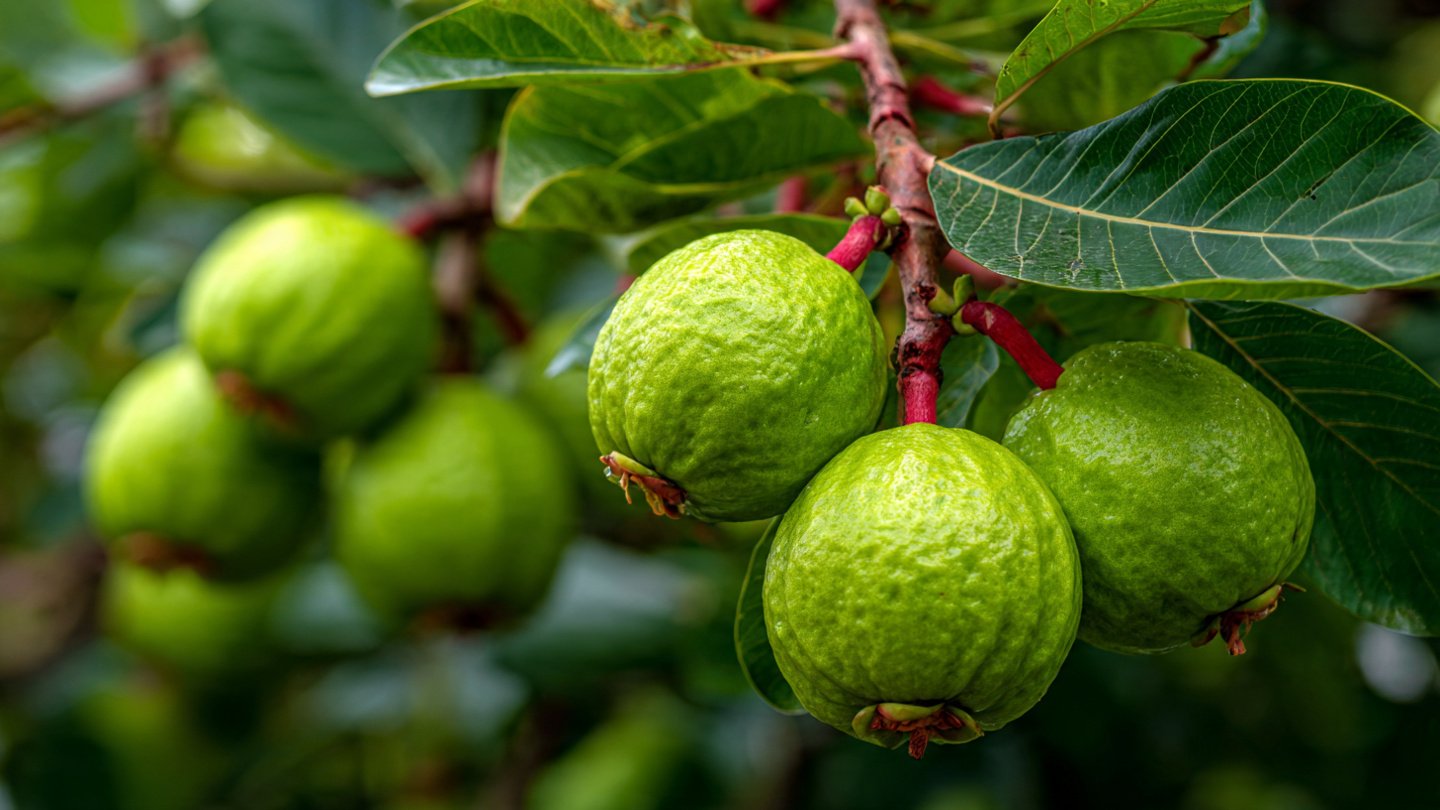
Guava is a tropical fruit celebrated for its delicious taste, high vitamin content, and numerous health benefits. From fresh consumption to jams, juices, and desserts, guava is incredibly versatile in the kitchen. However, like many fruit trees, guava requires careful care to ensure it produces larger fruits and faster harvests. Traditionally, gardeners have relied on regular watering and basic fertilization, but there is a new technique combining smart pruning with targeted nutrition that can dramatically improve both the size and speed of guava production. This method is transforming home orchards and commercial farms alike.
Why Guava Needs Special Care
Guava trees are hardy and can grow in a variety of soils, but maximizing fruit yield and quality requires thoughtful management. Common challenges include:
- Slow Fruiting: Some guava trees may take years to produce significant fruit.
- Small Fruit Size: Insufficient pruning or poor nutrition can result in undersized fruits.
- Overcrowded Branches: Dense growth reduces sunlight penetration, affecting flower and fruit formation.
- Nutrient Deficiency: Guava trees require specific nutrients at different growth stages to produce high-quality fruits.
By addressing these factors with a smart pruning and nutrition strategy, gardeners can significantly enhance fruit production while reducing unnecessary maintenance.
Smart Pruning: The Key to Bigger and Faster Guava Harvests
Pruning is not just about shaping the tree—it’s about improving airflow, light penetration, and nutrient distribution. Here’s how smart pruning works for guava:
1. Remove Dead and Diseased Branches
Start by removing any dead, damaged, or diseased branches. This helps prevent the spread of pests and diseases while allowing the tree to direct its energy toward healthy growth.
- Use sharp, sterilized pruning shears to make clean cuts.
- Remove branches with signs of discoloration, fungus, or dryness.
2. Thin Out Crowded Areas
Guava trees naturally produce dense foliage, but overcrowding reduces sunlight penetration and airflow, affecting flower and fruit development.
- Identify branches that cross or grow inward.
- Cut selectively to open up the canopy, allowing sunlight to reach all parts of the tree.
- Focus on branches that do not contribute to the overall structure or fruiting potential.
3. Shorten Long Branches
Long, unbranched shoots tend to produce fewer flowers and smaller fruits. By shortening these branches:
- The tree encourages lateral branching, creating more flower sites.
- Nutrients are better distributed, leading to larger fruits.
- Maintain a balanced shape that supports fruit weight and improves harvesting.
4. Timing Matters
For optimal results, prune guava trees just after harvesting or during early growth stages:
- Avoid heavy pruning during flowering, as it may reduce fruit production.
- Light maintenance pruning can be done throughout the year to maintain airflow and shape.
Nutrition: Feeding Guavas for Maximum Growth and Fruit Size
Pruning alone isn’t enough—proper nutrition is critical to support vigorous growth and fruit development. Guava trees have different nutritional needs at each stage of growth:
1. Basal Fertilization
Apply a balanced fertilizer at the base of the tree to strengthen root growth and overall plant health.
- Use NPK fertilizers with a higher nitrogen content during vegetative growth to promote leaf and branch development.
- Organic options like compost, cow manure, or vermicompost provide long-term soil enrichment.
2. Flowering and Fruiting Fertilization
During flowering and fruiting, guava trees benefit from fertilizers higher in phosphorus and potassium:
- Phosphorus (P): Supports flower formation and root strength.
- Potassium (K): Enhances fruit size, color, and sweetness.
Recommended approach:
- Apply bone meal or rock phosphate during flowering for phosphorus.
- Use muriate of potash or organic potassium sources when fruits start forming to encourage larger, healthier fruits.
3. Micronutrient Boost
Guava trees may show deficiencies in micronutrients like zinc, iron, and magnesium, which affect fruit quality:
- Use foliar sprays containing micronutrients during early flowering.
- Ensure soil pH is slightly acidic to neutral (5.5–7.0) to improve nutrient absorption.
The Combined Effect of Smart Pruning and Nutrition
When applied together, smart pruning and proper nutrition produce remarkable results:
- Faster Fruiting: Pruning stimulates new growth and flower production, allowing earlier harvests.
- Bigger Fruits: Adequate nutrients, especially potassium and phosphorus, help fruits grow larger and juicier.
- Healthier Trees: Open canopies and proper feeding reduce pest and disease issues.
- Consistent Yield: Regular maintenance ensures steady fruit production year after year.
This combined approach creates a positive cycle: healthy growth produces larger fruits, and larger fruits encourage further energy investment in future harvests.
Step-by-Step Guide to the Smart Pruning & Nutrition Method
Here’s a practical guide to implementing this technique in your guava orchard or home garden:
- Inspect the Tree: Look for dead, diseased, or overcrowded branches.
- Prune Strategically: Remove weak or inward-growing branches and shorten excessively long shoots.
- Prepare Soil: Apply compost or organic manure at the base of the tree.
- Apply Fertilizer: Use a nitrogen-rich fertilizer for leaf growth if it’s pre-flowering season.
- Flowering Stage: Switch to phosphorus and potassium-rich fertilizer as flowers start to appear.
- Micronutrients: Spray foliar nutrients like zinc and iron during early flowering for optimal fruit formation.
- Watering: Maintain consistent soil moisture, especially during flowering and fruiting, but avoid waterlogging.
- Ongoing Maintenance: Perform light pruning to remove overcrowded branches and ensure healthy airflow.
- Harvest Regularly: Pick fruits promptly to encourage the tree to produce more flowers and fruits.
Additional Tips for a Successful Guava Harvest
- Mulching: Apply organic mulch around the base of the tree to retain moisture, regulate soil temperature, and reduce weed growth.
- Pest Management: Monitor for common pests like fruit flies, aphids, and mealybugs. Use organic pesticides or natural deterrents when needed.
- Pruning Tools: Always use sharp, clean tools to make cuts, reducing the risk of infection.
- Sunlight: Guava trees require at least 6–8 hours of sunlight daily for optimal fruit production.
- Spacing: If planting multiple trees, maintain adequate spacing to allow airflow and reduce competition for nutrients.
Real-World Benefits
Gardeners and farmers who have applied this smart pruning and nutrition method report impressive results:
- Earlier Harvest: Some trees begin fruiting several weeks earlier than untreated trees.
- Larger Fruits: Average fruit size increases by 20–30%, with more uniform shape and color.
- Improved Tree Health: Reduced pest infestations and better overall vigor.
- Reduced Maintenance: Less frequent pruning is needed once trees are established, thanks to controlled growth.
This method not only boosts yield but also enhances fruit quality, making guavas more marketable and enjoyable to eat.
Conclusion
Guava trees are rewarding to grow, but achieving faster, larger, and healthier fruit requires more than basic care. By combining smart pruning with targeted nutrition, gardeners can significantly enhance their harvests while maintaining tree health. This method encourages early flowering, increases fruit size, and ensures consistent, high-quality production year after year.
Whether you’re a home gardener or a commercial grower, applying this technique is straightforward and highly effective. By understanding the needs of your guava trees and providing the right care at each growth stage, you can enjoy bigger, juicier, and faster-harvesting guavas—making every gardening season more productive and satisfying.
Start implementing this method today, and watch your guava trees thrive like never before!