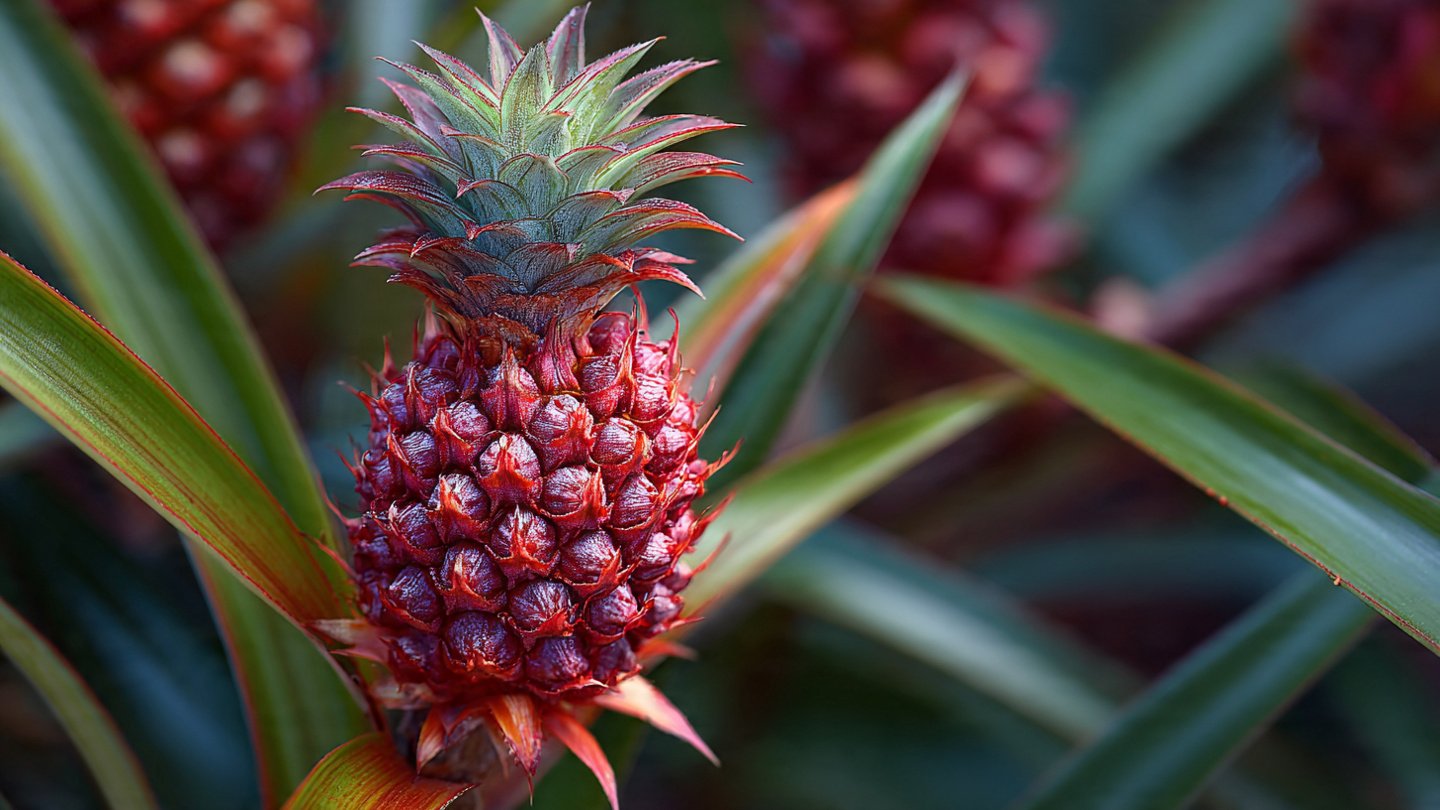
Pineapple (Ananas comosus) is one of the most beloved tropical fruits worldwide, admired for its sweet, tangy flavor, refreshing aroma, and impressive nutritional profile. While growing pineapples at home or commercially is already rewarding, many growers face common challenges: slow growth, long time to fruiting, uneven yields, and vulnerability to pests or diseases. However, a lesser-known horticultural technique—pineapple grafting—can solve these issues naturally, boosting both growth and yield. In this comprehensive guide, we’ll uncover the easy pineapple grafting trick that many growers keep secret and explain how you can use it to maximize your harvest.
Why Pineapple Grafting?
Grafting is a horticultural method in which a shoot or bud from one plant (the scion) is joined with the root or base of another plant (the rootstock). This technique allows the plant to combine the best traits of both components.
For pineapples, grafting offers several advantages:
- Faster Growth: Grafted pineapples establish faster than those grown from crowns or suckers.
- Earlier Fruiting: Plants can bear fruit several months sooner than non-grafted counterparts.
- Higher Yield: Stronger root systems support more vigorous growth, producing larger and more numerous fruits.
- Disease Resistance: Selecting a healthy rootstock provides natural protection against soil-borne pests and pathogens.
- Uniformity: Grafted plants produce fruits of consistent size, shape, and sweetness.
Grafting combines the genetic strength of the rootstock with the desirable fruit traits of the scion, resulting in a naturally optimized pineapple plant.
Understanding Pineapple Growth
Before diving into grafting, it’s important to understand how pineapples grow:
- Pineapples are perennial tropical plants with a rosette of stiff, spiny leaves.
- Each plant produces a single fruit at the top of a central stem, usually 18–24 months after planting.
- Pineapples can be propagated from crowns (the leafy top), slips, or suckers, but these methods often take longer and are less uniform.
Grafting accelerates this process by using a vigorous rootstock that supports faster development and fruiting.
Choosing the Right Rootstock
The rootstock is the foundation of the grafted pineapple. Selecting a healthy, strong rootstock ensures faster growth and higher yields. Consider the following:
- Vigorous Growth: Choose rootstocks with strong, well-developed roots to provide stability and nutrition.
- Disease-Free: Select plants free from pests and diseases, particularly root rot or fungal infections.
- Compatibility: The rootstock should be compatible with the scion variety for proper fusion.
- Variety Choice: For best results, select rootstocks that are known to tolerate local soil and climate conditions.
Common rootstocks include healthy pineapple plants grown from disease-free crowns, slips, or suckers.
Selecting the Scion
The scion determines the fruit quality, flavor, and appearance. Proper selection ensures superior yield and uniformity:
- High-Quality Fruit: Choose scions from plants producing large, sweet, and aromatic pineapples.
- Healthy Material: Scions must be free from diseases and pests.
- Stem Size: Select young shoots with firm stems, typically 3–5 inches long, for easy grafting.
- Leaf Condition: Leaves should be healthy, green, and undamaged.
The scion carries the genetic traits for desirable fruit, while the rootstock ensures strong growth and disease resistance.
Tools and Materials Needed
To perform pineapple grafting successfully, gather the following tools:
- Sharp sterilized knife or razor blade
- Grafting tape, clips, or rubber bands
- Grafting wax or sealant (optional, to prevent moisture loss)
- Clean water and spray bottle
- Rootstock and scion seedlings
- Shade net or plastic cover to maintain humidity
Cleanliness is key—sterilize all tools to prevent infections that could compromise grafting success.
Step-by-Step Pineapple Grafting Procedure
Follow these steps to ensure a successful pineapple graft:
1. Prepare the Rootstock
- Select a healthy rootstock pineapple plant.
- Remove the leaves from the top, exposing a firm central stem.
- Make a clean horizontal or diagonal cut on the stem about 1–2 inches from the top.
2. Prepare the Scion
- Select a 3–5-inch young shoot from a high-quality fruit-bearing plant.
- Trim the base of the scion to a sharp edge, ensuring good contact with the rootstock.
- Remove excess leaves from the base while leaving 2–3 leaves at the top for photosynthesis.
3. Join Scion and Rootstock
- Place the scion onto the prepared rootstock stem so that the cut surfaces align closely.
- Ensure firm contact between the vascular tissues for optimal nutrient transfer.
4. Secure the Graft
- Wrap the union with grafting tape, clips, or rubber bands to hold it in place.
- Optionally, apply grafting wax or sealant to reduce moisture loss and protect against infection.
5. Maintain Humidity and Shade
- Keep the grafted plant in a shaded, humid environment for the first 5–10 days.
- Mist lightly to maintain moisture but avoid waterlogging the stem.
- Gradually expose the plant to sunlight over a week to strengthen it.
6. Aftercare
- Water the plant regularly, keeping the soil moist but well-drained.
- Remove any side shoots emerging from the rootstock below the graft.
- Monitor for signs of wilting, pests, or fungal infections.
Within a few weeks, the graft should take, and the scion will begin growing vigorously, supported by the strong rootstock.
Tips for Increasing Grafting Success
- Timing: Perform grafting during the early growing season or when the plant is actively growing for higher success.
- Healthy Plant Material: Only use disease-free, vigorous scions and rootstocks.
- Proper Alignment: Ensure cambium layers (the green layer under the bark) of the scion and rootstock are in close contact.
- Humidity Control: Use a plastic cover or shade net to prevent desiccation of the graft union.
- Clean Tools: Always sterilize knives and scissors to prevent infection.
By following these tips, you can achieve grafting success rates of 80–90%, even for beginners.
Advantages of Grafted Pineapples
Grafting pineapple offers several unique advantages:
- Faster Fruiting: Grafted plants produce fruits much sooner than crown- or sucker-grown plants.
- Higher Yield: Nutrient-efficient rootstocks support more vigorous growth and abundant fruiting.
- Superior Fruit Quality: Scion traits, such as sweetness, aroma, and size, are preserved.
- Disease Resistance: Grafted plants are naturally more resistant to soil-borne pathogens.
- Stress Tolerance: Grafted plants withstand drought, heat, and environmental stress better.
- Longevity: Healthy grafted plants remain productive for multiple years.
These benefits make grafting a powerful tool for both home gardeners and commercial pineapple growers.
Common Challenges and Solutions
While pineapple grafting is relatively easy, some challenges may arise:
- Scion Wilting: Often caused by poor cambium alignment or low humidity. Ensure proper fit and maintain moisture.
- Fungal Infection: Keep the graft site clean and avoid excess humidity. Optional grafting wax can help prevent infection.
- Rootstock Sprouts: Remove any shoots emerging from the rootstock below the graft to focus energy on the scion.
- Environmental Stress: Protect newly grafted plants from strong sun, wind, and extreme temperatures.
Most challenges can be addressed with careful attention to detail and proper aftercare.
Harvesting and Yield Benefits
Grafted pineapples offer noticeable advantages over traditional plants:
- Early Fruiting: Fruits may develop several months earlier, reducing waiting time.
- Bigger, Sweeter Fruits: Scion traits are preserved, resulting in uniform, high-quality fruits.
- Consistent Production: Multiple grafted plants in the same area yield uniformly, ideal for home gardens or commercial plots.
- Long-Term Productivity: Grafted pineapples remain vigorous and productive for several years, providing continuous harvest.
These benefits make pineapple grafting a game-changer for anyone seeking higher yield and superior fruit quality.
Conclusion
Pineapple grafting is a secret many growers don’t openly share, yet it’s one of the most effective ways to boost growth, yield, and natural disease resistance. By combining a strong, disease-resistant rootstock with a high-quality scion, you can enjoy faster growth, healthier plants, and bountiful, delicious fruits.
Whether you are a home gardener looking to maximize your backyard harvest or a commercial grower aiming for superior productivity, this easy pineapple grafting trick provides remarkable results without chemical intervention. With proper selection of rootstock and scion, precise grafting, and careful aftercare, anyone can harness the natural power of grafting to achieve thriving pineapple plants.
Start experimenting with grafted pineapples today, and unlock the secret to faster growth, higher yields, and naturally stronger plants that will impress both your family and friends with their sweet, juicy, and abundant fruits.