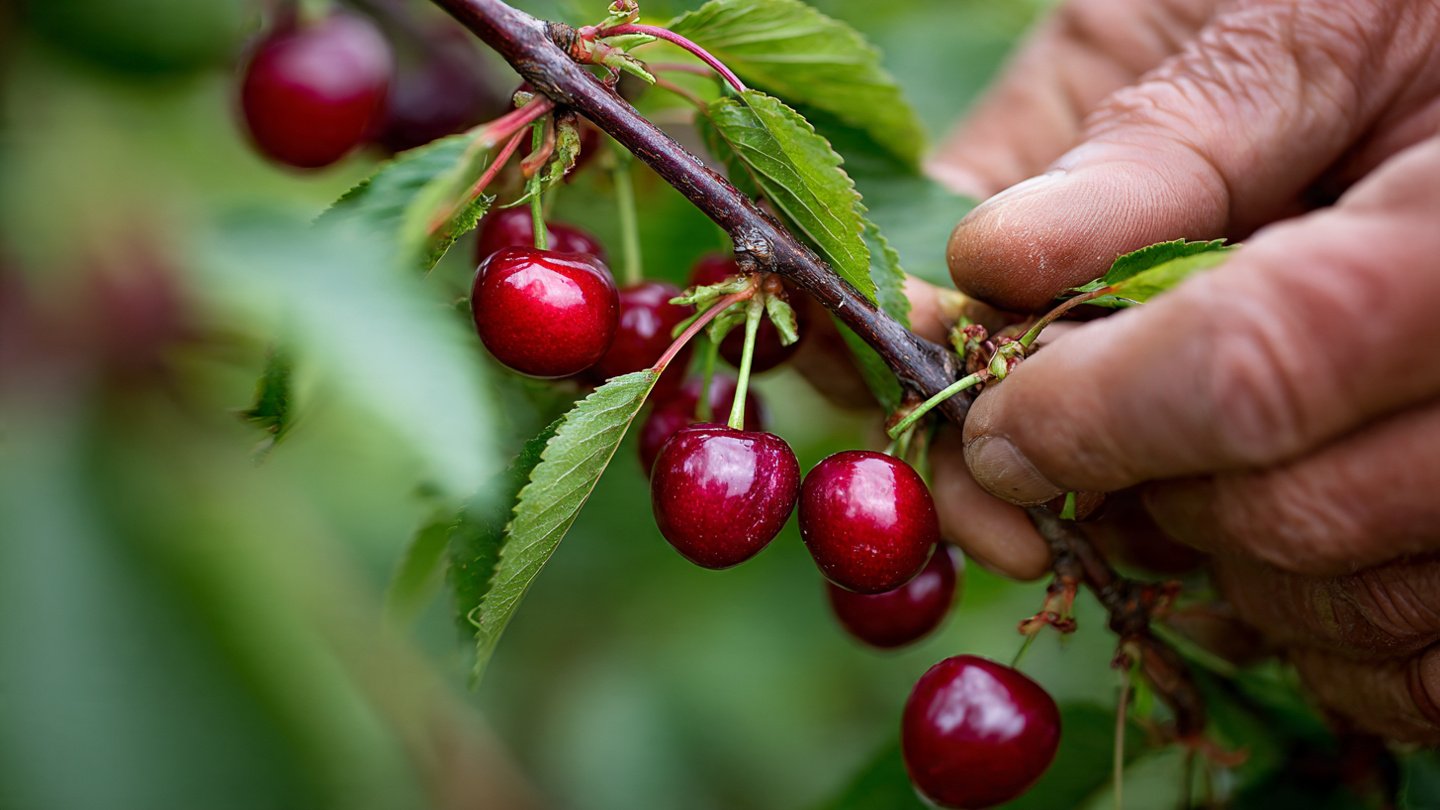
Cherry trees are among the most beloved fruit trees for home gardeners. With their delicate blossoms in spring and juicy, sweet fruit in summer, they are a feast for the eyes and the palate. However, one challenge many gardeners face is the slow growth and fruiting of cherry trees. Traditional planting from seeds or saplings often means waiting 3–7 years for your tree to bear fruit. But what if there was a way to accelerate growth and enjoy cherries sooner?
Enter grafting, a time-tested horticultural technique that allows gardeners to combine the best traits of two cherry trees. With grafting, you can produce a fast-growing, strong cherry tree that bears fruit in half the usual time. This guide will walk you step by step through the simple grafting process, helping you grow cherry trees faster and more successfully.
Why Graft Cherry Trees?
Grafting is the practice of joining a scion (the desired cherry variety) onto a rootstock (a compatible, established root system). This method has several advantages:
- Faster Fruiting: Grafted cherry trees can bear fruit in 1–3 years instead of 3–7 years.
- Disease Resistance: Rootstocks are often chosen for their resistance to soil-borne diseases, improving tree health.
- Stronger Growth: Grafted trees combine the vigor of rootstock with the fruit quality of the scion.
- Variety Multiplication: You can grow multiple cherry varieties on a single rootstock.
- Better Adaptation: Grafting ensures the tree thrives in local soil and climatic conditions.
By grafting, gardeners can enjoy beautiful blossoms and abundant cherries much sooner, making it a game-changer for home orchards.
Choosing the Right Rootstock and Scion
Successful grafting begins with careful selection of the rootstock and scion:
Rootstock Selection:
- Choose rootstocks that are disease-resistant, hardy, and suitable for your local climate.
- For cherry trees, common rootstocks include Mahaleb (Prunus mahaleb) for sweet cherries and Gisela 5 for dwarf trees.
- Rootstocks influence tree size, growth rate, and adaptability to soil conditions.
Scion Selection:
- The scion should come from a healthy, productive cherry tree of the desired variety.
- Use one-year-old dormant wood with 3–4 buds for best results.
- Ensure the scion is free from disease and pests.
Tip: Both rootstock and scion should be compatible species for the graft to take successfully.
Preparing for Grafting
Before you start, gather your materials:
Materials Needed:
- Sharp grafting knife or blade
- Rootstock and scion cuttings
- Grafting tape or parafilm
- Grafting wax or sealant (optional)
- Clean cloth for wiping tools
Preparation Steps:
- Sanitize Tools: Wipe your knife and scissors with rubbing alcohol to prevent disease transmission.
- Select Healthy Wood: Both scion and rootstock should be free from damage or disease.
- Time Your Grafting: The best time to graft cherry trees is during late winter or early spring while the tree is dormant.
The Simple Cherry Tree Grafting Technique
One of the easiest and most reliable grafting techniques for cherry trees is whip-and-tongue grafting. Here’s a step-by-step guide:
Step 1: Prepare the Rootstock
- Cut the top of the rootstock at a 45-degree angle, making a smooth, clean cut about 6–12 inches above the soil line.
- Make a vertical tongue cut about 1–2 inches deep on the slanted surface. This tongue will interlock with the scion.
Step 2: Prepare the Scion
- Trim the bottom of the scion into a matching 45-degree angle.
- Make a corresponding tongue cut on the scion so it fits snugly with the rootstock.
Step 3: Join Scion and Rootstock
- Slide the scion and rootstock tongues together so they interlock tightly.
- Align the cambium layers (the green layer under the bark) as closely as possible. Proper cambium contact is crucial for successful grafting.
Step 4: Secure the Graft
- Wrap the graft union tightly with grafting tape or parafilm to hold it in place and prevent moisture loss.
- Optionally, apply grafting wax to seal the edges and protect from pests and drying out.
Step 5: Care for the Graft
- Keep the grafted plant in a sheltered, sunny spot.
- Avoid overwatering; maintain moderate soil moisture.
- Monitor the graft for signs of growth within 2–4 weeks. New shoots indicate a successful graft.
Caring for Grafted Cherry Trees
Once your grafted cherry tree is growing, proper care ensures strong growth and maximum fruit production:
Watering
- Young grafted trees need consistent moisture to establish roots.
- Water deeply once or twice a week, depending on rainfall and soil type.
Fertilization
- Start fertilizing 4–6 weeks after grafting with a balanced, slow-release fertilizer.
- Once the tree begins growing vigorously, use phosphorus-rich fertilizer to encourage root and flower development.
Pruning
- Remove any shoots growing from the rootstock below the graft.
- Train the scion into a central leader shape to support strong structure.
- Prune lightly in late winter to shape the tree and improve sunlight penetration.
Pest and Disease Management
- Monitor for aphids, caterpillars, or spider mites, which can weaken the tree.
- Treat fungal diseases like powdery mildew or leaf spot promptly with organic sprays.
- Maintain good airflow around the tree by proper spacing and pruning to reduce disease risk.
Advantages of Grafting for Cherry Trees
- Faster Results: Grafted trees bear fruit in 1–3 years, compared to 5–7 years for seed-grown trees.
- Consistency: The grafted scion produces the same fruit quality as the parent tree.
- Multiple Varieties: Graft multiple cherry varieties on one rootstock for cross-pollination and extended harvest.
- Disease Resistance: Rootstocks provide a strong foundation resistant to soil-borne pathogens.
- Smaller Trees: Using dwarf rootstocks reduces tree size, making harvesting easier and suitable for small gardens.
Common Mistakes to Avoid
- Misaligned Cambium Layers: Without proper cambium contact, the graft will fail.
- Using Diseased Wood: Any infection in scion or rootstock can prevent growth.
- Excessive Watering: Overwatering can cause rot and kill the graft.
- Ignoring Rootstock Shoots: Shoots from the rootstock can overtake the scion if not removed.
- Grafting at the Wrong Time: Late-season grafting may not take due to dormancy issues.
By avoiding these common mistakes, gardeners can significantly increase their grafting success rates.
Harvesting and Enjoying Your Cherry Tree
With a successful graft, your cherry tree will grow faster and produce fruit sooner than a seed-grown tree:
- Flowering Time: Depending on variety, grafted cherry trees can bloom within 1–2 years.
- Fruit Production: Enjoy sweet, juicy cherries in summer, often within 2–3 years.
- Extended Harvest: Grafting multiple varieties on one tree can extend the cherry season.
Regular care, including watering, fertilization, pruning, and pest management, ensures abundant harvests and long-lasting tree health.
Conclusion
Grafting is a simple yet transformative technique that allows gardeners to grow cherry trees twice as fast and enjoy fruit much sooner. By choosing the right rootstock and scion, preparing healthy wood, and following the whip-and-tongue grafting method, you can create a strong, productive cherry tree that delivers sweet fruit within a few years.
With proper post-grafting care—including watering, fertilization, pruning, and pest management—you can maintain healthy growth and maximize yield. Grafting not only saves time but also ensures consistent fruit quality, disease resistance, and the ability to grow multiple varieties on a single tree.
For any home gardener looking to enjoy cherry blossoms and delicious fruit sooner, mastering the simple grafting technique is essential. Start grafting today, and watch your cherry tree flourish with twice the speed and twice the delight!