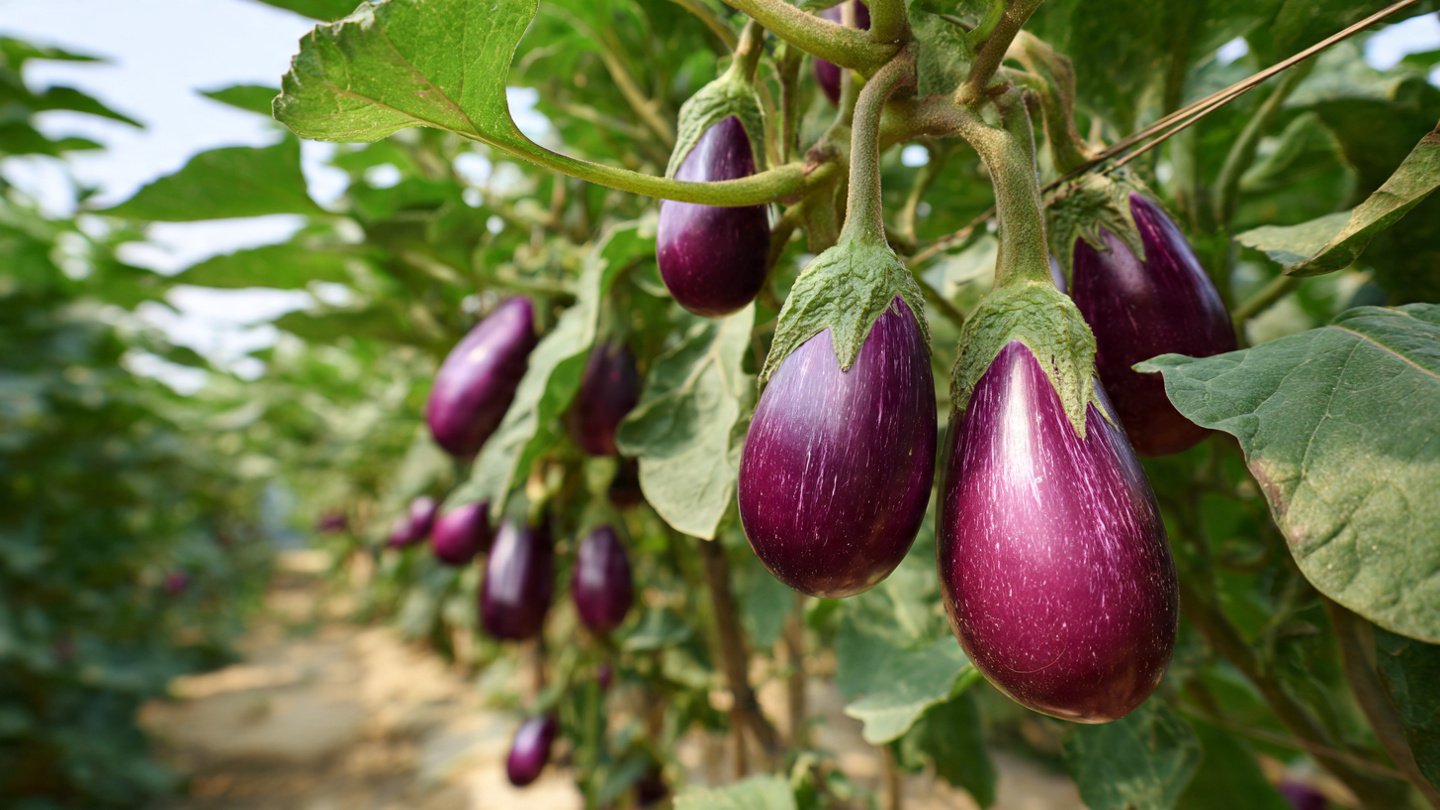
Eggplant (Solanum melongena), also known as brinjal or aubergine, is a widely grown vegetable valued for its nutritional content and versatility in cooking. While eggplants are relatively easy to cultivate, gardeners often face challenges such as slow growth, low yield, and susceptibility to soil-borne diseases like bacterial wilt, root knot nematodes, and fusarium wilt. Fortunately, grafting eggplant offers a simple and effective solution to these problems. By combining a robust rootstock with a high-quality scion, gardeners can enjoy faster growth, higher yields, and stronger disease resistance. This guide will walk you through the practical steps, benefits, and tips for successfully grafting eggplants.
Why Graft Eggplant?
Grafting is a horticultural technique in which the shoot system (scion) of a desired variety is joined to the root system (rootstock) of another plant. For eggplant, this method has several advantages:
- Disease Resistance: Using disease-resistant rootstocks protects the plant from soil-borne pathogens that commonly affect eggplants.
- Faster Growth: Grafted eggplants establish more quickly, producing vigorous shoots and leaves earlier than non-grafted plants.
- Higher Yields: Healthy, robust root systems enhance nutrient and water uptake, leading to bigger and more abundant fruits.
- Stress Tolerance: Grafted plants are better able to withstand heat, drought, and other environmental stresses.
- Longevity: Grafted plants remain productive longer than non-grafted counterparts.
Grafting allows you to combine the best traits of two plants: the scion for fruit quality and the rootstock for strength and disease resistance.
Understanding Eggplant Grafting
Eggplant grafting generally involves two key components:
- Rootstock: A vigorous, disease-resistant plant that forms the root system. Common rootstocks include Solanum torvum, wild eggplant species, or resistant hybrid varieties.
- Scion: The eggplant variety you want to grow for fruit production. Scions are typically 3–5 weeks old seedlings of a preferred cultivar with high-quality fruits.
The process creates a single plant that harnesses the strength of the rootstock while producing superior fruits from the scion.
Selecting the Right Rootstock
Rootstock selection is critical for successful grafting. Consider these factors:
- Disease Resistance: Choose rootstocks resistant to common soil-borne diseases in your area.
- Vigorous Growth: Strong rootstocks ensure better nutrient uptake and overall plant health.
- Compatibility: The rootstock must be compatible with the scion variety to ensure proper fusion.
- Size and Age: Rootstock seedlings should be 3–5 weeks old, healthy, and about 8–10 cm tall with a sturdy stem.
Popular rootstocks for eggplant include Solanum torvum (Turkey berry), which offers excellent disease resistance and vigor, making it ideal for both home gardens and commercial cultivation.
Selecting the Right Scion
The scion determines the quality, size, and taste of the fruits. Keep these points in mind:
- Variety: Choose a variety suited to your climate, taste preference, and market demand. Common eggplant varieties include long purple, round, or small Asian types.
- Healthy Seedlings: Select scions that are disease-free, vigorous, and 3–5 weeks old with strong stems.
- Stem Size: The stem diameter of the scion should match the rootstock to ensure proper alignment and graft success.
Using high-quality scions ensures the grafted plant produces abundant, flavorful fruits.
Tools and Materials Needed
Successful eggplant grafting requires a few essential tools:
- Sharp grafting knife or razor blade
- Sterilized scissors
- Rubber bands or grafting clips
- Clean water and spray bottle
- Rootstock and scion seedlings
- Plastic bags or humidity dome
- Optional: grafting wax or sealant
Make sure all tools are clean and sterilized to prevent infections at the graft union.
Step-by-Step Eggplant Grafting Procedure
Follow these steps carefully to maximize your chances of success:
1. Prepare the Rootstock
- Choose a healthy rootstock seedling and cut the stem approximately 2–3 cm above the soil line.
- Make a slanting cut or notch on the stem where the scion will be inserted. Ensure the cut is smooth to promote cambium contact.
2. Prepare the Scion
- Cut the scion at a matching angle or shape to fit into the rootstock.
- Remove any lower leaves, leaving 1–2 leaves on top.
- Ensure the cambium layers of both scion and rootstock are exposed and aligned.
3. Join Scion and Rootstock
- Carefully insert the scion into the rootstock’s notch, ensuring a snug fit and cambium alignment.
- Secure the graft with a rubber band or grafting clip. Make sure it is tight enough to hold the scion in place without damaging it.
4. Maintain Humidity and Shade
- Place the grafted plant in a humid, shaded environment for 5–7 days to prevent drying.
- Cover with a plastic bag or humidity dome but ensure some ventilation to avoid fungal growth.
- Mist the plant lightly to maintain moisture without waterlogging.
5. Aftercare
- Gradually acclimate the grafted plant to sunlight over 5–7 days.
- Water regularly, keeping the soil moist but not soggy.
- Remove any new shoots emerging from the rootstock below the graft union.
- Monitor for signs of wilting, pests, or infections.
Within 1–2 weeks, the scion should start showing signs of growth, indicating successful grafting.
Tips for Increasing Grafting Success
- Timing: Early morning or late afternoon is ideal for grafting to avoid heat stress.
- Healthy Seedlings: Use vigorous, disease-free rootstocks and scions for higher success.
- Proper Alignment: Align cambium layers precisely to ensure successful fusion.
- Humidity Control: Maintain moderate humidity and avoid direct sunlight during initial healing.
- Clean Tools: Sterilize all tools before cutting to prevent infections.
Following these tips can increase grafting success rates to over 85–90%, even for beginners.
Advantages of Grafted Eggplants
Grafting eggplants offers several benefits for home gardeners and commercial growers:
- Enhanced Growth: Strong rootstocks support rapid growth and vigorous foliage development.
- Early Fruiting: Grafted plants bear fruits earlier than seed-grown plants, saving time and resources.
- Increased Yield: Nutrient-efficient root systems produce larger and more abundant fruits.
- Disease Resistance: Rootstocks resistant to nematodes, bacterial wilt, and fusarium improve plant survival.
- Stress Tolerance: Grafted plants withstand temperature fluctuations, drought, and other environmental stressors better.
These advantages make grafting an excellent investment for maximizing eggplant productivity.
Common Challenges and Solutions
Even experienced gardeners may encounter some issues during eggplant grafting:
- Wilting Scion: Often due to improper cambium alignment or water stress. Recheck and ensure snug grafting and proper watering.
- Fungal Infection: Keep the graft area clean and avoid excess humidity. Use sterilized tools and optional grafting sealants.
- Rootstock Sprouts: Remove any shoots emerging from the rootstock below the graft union to focus energy on the scion.
- Environmental Stress: Protect newly grafted plants from strong sun, wind, and temperature extremes.
Prompt attention and proper care usually resolve these challenges, leading to healthy grafted plants.
Harvesting and Yield Benefits
A successfully grafted eggplant plant delivers several advantages:
- Early Fruiting: Expect fruits 40–50 days earlier than seed-grown plants.
- Superior Fruit Quality: Fruits inherit scion traits, such as size, shape, color, and taste.
- Higher Production: Grafted plants consistently produce larger quantities of healthy fruits.
- Longevity: Grafted eggplants remain productive longer, often extending the harvesting period by several months.
These benefits make grafting a highly efficient method for both home and commercial cultivation.
Conclusion
Grafting eggplants is a simple yet highly effective technique to enhance growth, yield, and disease resistance. By carefully selecting compatible rootstocks and scions, aligning cambium layers, and providing proper aftercare, gardeners can enjoy fast-growing, high-yielding, and resilient eggplants.
Whether you are a beginner looking to boost your home garden productivity or a commercial grower aiming for high-quality, disease-resistant fruits, eggplant grafting is a game-changer. With minimal effort and attention to detail, this technique allows you to combine the best traits of two plants into a single, thriving plant.
Start your eggplant grafting journey today, and experience faster growth, healthier plants, and superior yields that make all your gardening efforts worthwhile.