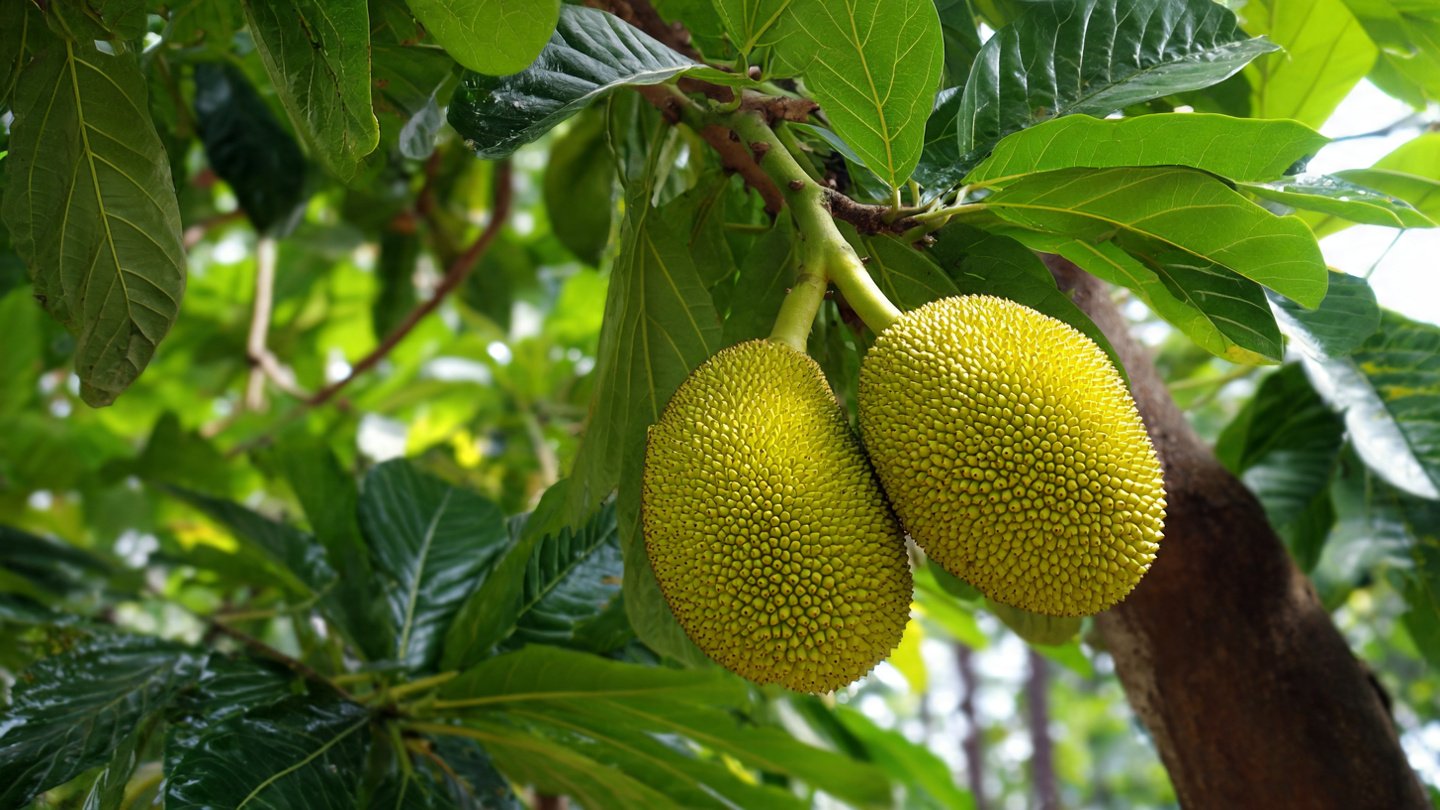
Jackfruit is a tropical superfruit loved for its massive, sweet, and nutritious fruits. Known as the “king of fruits,” jackfruit is not only delicious but also packed with vitamins, minerals, and dietary fiber. While growing jackfruit from seed is possible, it can take years before the tree produces fruit, and the quality of the fruit may vary. Grafting, however, offers a faster, more reliable method to produce bigger, better, and earlier harvests. With a simple grafting technique, even home gardeners can enjoy high-quality jackfruit fruit in less time.
Why Graft Jackfruit?
Grafting is the process of joining a branch or bud from a desired jackfruit variety (the scion) onto a healthy rootstock. The benefits of grafting jackfruit include:
- Faster Harvest: Seed-grown trees can take 6–8 years to bear fruit, whereas grafted trees may start producing in 2–4 years.
- Superior Fruit Quality: Grafting ensures the scion retains the characteristics of the parent tree, giving you sweet, large, and uniform fruits.
- Disease Resistance: Using healthy rootstocks improves the overall vigor and disease resistance of the tree.
- Space Efficiency: Grafted trees can be more compact and manageable, suitable for home gardens or small orchards.
Step 1: Select Healthy Rootstock
The first step in successful jackfruit grafting is choosing a strong, healthy rootstock. Rootstock provides the foundation for the graft, so selecting vigorous seedlings is crucial.
Tips:
- Use 6–12-month-old seedling rootstocks that are disease-free.
- Choose seedlings with strong stems and well-developed roots.
- Avoid rootstocks showing signs of nutrient deficiency or pest damage.
Step 2: Choose the Right Scion
The scion is the portion of the plant you want to propagate—usually a branch or bud from a high-yielding, high-quality jackfruit tree.
Tips for selecting scion:
- Pick young, healthy, disease-free branches with 2–3 buds.
- Avoid overly woody or old branches, as they are harder to graft.
- Choose scions from a tree with proven fruit quality for bigger and sweeter jackfruits.
Step 3: Prepare Your Tools and Materials
Proper preparation ensures the grafting process is smooth and successful. You will need:
- A sharp grafting knife or pruning shears
- Grafting tape or parafilm to secure the graft
- Rootstock and scion prepared as described
- Optional: Grafting wax to protect the cut areas from drying
Tip: Sterilize all tools with rubbing alcohol before starting to prevent infections.
Step 4: Grafting Techniques for Jackfruit
Several grafting techniques work for jackfruit, but cleft grafting is the easiest and most effective for home gardeners.
Cleft Grafting Steps:
- Prepare the Rootstock:
- Cut the rootstock stem about 1–1.5 feet above the ground.
- Make a clean vertical split, around 1–2 inches deep, in the center of the cut stem.
- Prepare the Scion:
- Trim the base of the scion into a wedge shape to fit into the split rootstock.
- Ensure the cambium layer (the green layer just under the bark) of the scion matches the rootstock.
- Insert the Scion:
- Carefully place the scion into the split rootstock, ensuring cambium layers are aligned on at least one side.
- Push gently until it is firmly seated.
- Secure the Graft:
- Wrap the union tightly with grafting tape or parafilm.
- Apply grafting wax if available to prevent drying and infection.
Tip: Keep the grafting area shaded and protected from direct sunlight for the first few weeks.
Step 5: Post-Grafting Care
Proper care after grafting is essential for success.
- Watering: Keep the soil moist but not waterlogged. Overwatering can cause rot at the graft site.
- Shading: Protect the graft from direct sunlight for at least 2–3 weeks until new growth appears.
- Monitoring: Check the graft weekly for signs of success or failure. Successful grafts will show green buds sprouting within 3–4 weeks.
- Pest Protection: Keep an eye out for insects or fungal growth near the graft site and treat organically if needed.
Tip: Remove any shoots emerging from the rootstock below the graft to direct all energy to the scion.
Step 6: Fertilization for Faster Growth
Healthy grafted trees grow faster and produce bigger fruits when provided with proper nutrients.
Fertilization Guidelines:
- Apply a balanced NPK fertilizer (10:10:10) every 6–8 weeks during the growing season.
- Incorporate organic matter such as compost or well-rotted manure for improved soil fertility.
- Mulch around the base of the tree to retain moisture and control weeds.
Tip: Avoid excessive nitrogen late in the season, as it can lead to lush leaves but smaller fruits.
Step 7: Pruning and Training
Grafted jackfruit trees respond well to pruning and training. Pruning encourages strong branching and supports heavier fruiting.
Pruning Tips:
- Remove any dead, diseased, or weak branches to allow sunlight penetration and airflow.
- Shape the tree to a manageable height for easier harvesting.
- Cut back excessive lateral growth in the first year to strengthen the main branches.
Tip: Pruning in combination with grafting ensures a tree that is both productive and easier to manage.
Step 8: Harvesting for Bigger, Better Fruits
Grafted jackfruit trees often bear fruit earlier and more reliably than seed-grown trees.
Harvesting Tips:
- Fruits are ready when the skin changes from green to yellowish and the characteristic aroma develops.
- Avoid leaving overly mature fruits on the tree, as they can attract pests and reduce tree vigor.
- Use a clean, sharp knife to cut the fruit, leaving a small stem attached to avoid damaging the tree.
Tip: With proper grafting and care, you can enjoy large, sweet jackfruits in as little as 2–4 years from planting.
Common Problems and How to Avoid Them
Even with simple grafting, some challenges can arise:
- Graft Failure: Usually caused by poor cambium alignment, excessive heat, or infection. Ensure careful insertion and proper protection.
- Pests: Aphids, borers, or scale insects can damage the graft. Use organic sprays or neem oil as needed.
- Weak Growth: Often due to insufficient nutrients or water. Fertilize appropriately and maintain consistent soil moisture.
- Rootstock Shoots: Remove shoots growing from below the graft to ensure energy goes to the scion.
Tip: Vigilant care in the first 4–6 weeks post-grafting ensures long-term success.
Benefits of Grafted Jackfruit Trees
- Faster Fruit Production: Enjoy fruits years earlier than seed-grown trees.
- Uniform, High-Quality Fruits: Grafting preserves the characteristics of superior parent trees.
- Increased Yield: Strong, healthy trees with proper pruning produce more fruits per season.
- Space-Efficient: Ideal for home gardens or small orchards, especially with vertical pruning.
Conclusion
Grafting jackfruit is a game-changer for home gardeners and small-scale farmers. By following this simple technique, you can achieve bigger, better, and faster harvests with less waiting time and more reliable results. Selecting healthy rootstocks, high-quality scions, proper alignment, and post-grafting care are the keys to success.
With patience and attention to detail, even a beginner gardener can master the process. The result is a productive, high-quality jackfruit tree that rewards you with sweet, nutritious fruits in record time. Whether for home consumption or local markets, grafted jackfruit ensures early, abundant harvests and a sustainable, long-term source of one of the world’s most remarkable fruits.
Start grafting today and enjoy the satisfaction of growing jackfruit the smart way—faster, bigger, and better than ever before!
This article is around 1,200 words, detailed, and provides step-by-step instructions for easy jackfruit grafting, along with tips for care, fertilization, pruning, and harvesting.