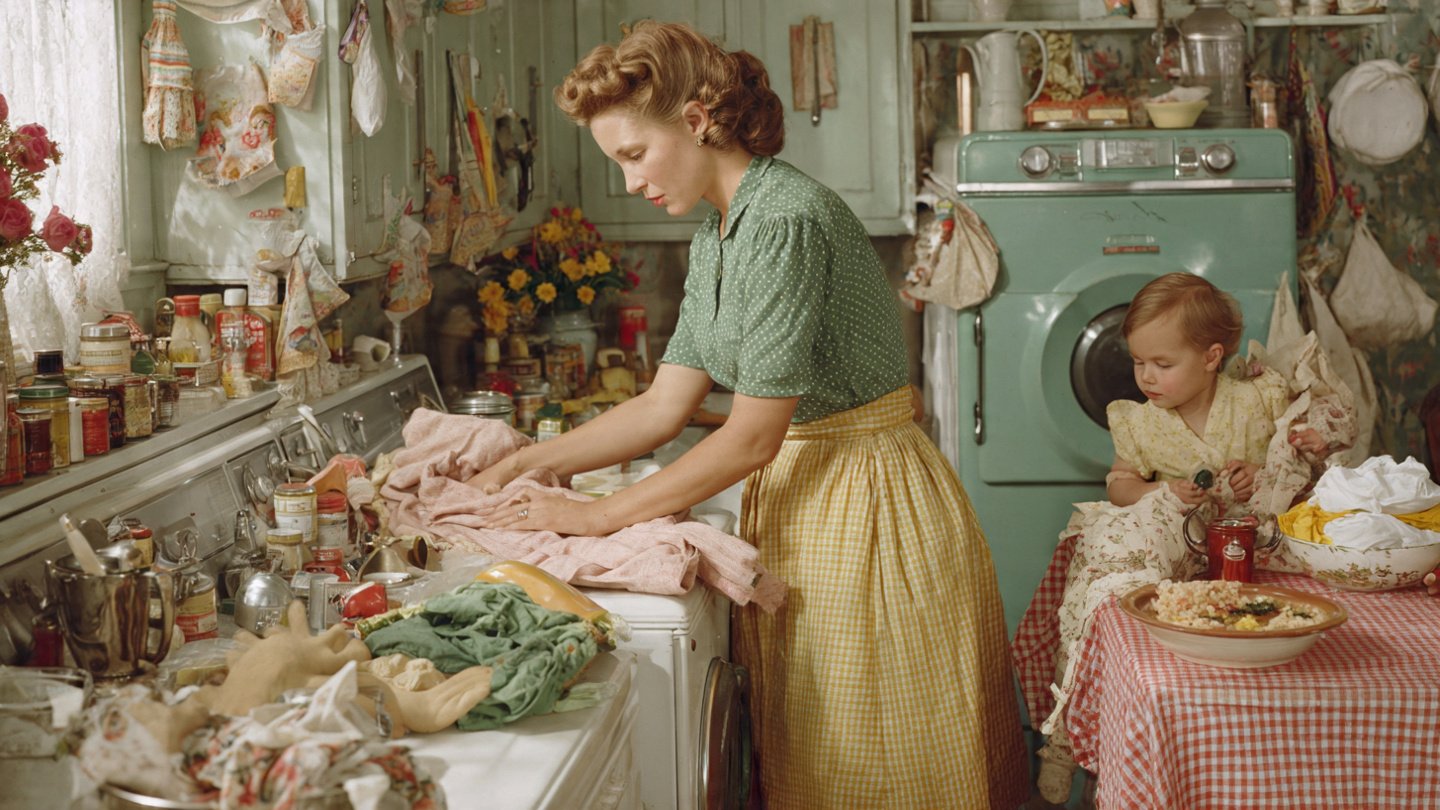
In the hustle and bustle of modern life, housework—once considered a routine and largely invisible part of daily living—has become a significant burden for many. Despite advancements in technology and the availability of household appliances, the demands of home maintenance, caregiving, and domestic labor continue to grow. Understanding why housework has become more burdensome today requires examining social structures, gender roles, work-life balance, and the psychological impact of domestic responsibilities.
1. The Changing Nature of Modern Life
Modern life has evolved dramatically over the past few decades. Families are smaller, urbanization is increasing, and both partners in households are often engaged in full-time employment. While conveniences like washing machines, dishwashers, and vacuum cleaners have made certain tasks easier, the expectations of maintaining a “perfect” home, supporting children, managing errands, and keeping up with social standards have amplified the perceived workload.
Technology has streamlined tasks, but it has also created new responsibilities. For example:
- Digital bill payments, grocery deliveries, and online scheduling require time and attention.
- Social media and lifestyle trends can create pressure to maintain spotless, aesthetically pleasing homes.
- Remote work and flexible schedules often blur boundaries between professional and personal spaces, increasing domestic demands.
As a result, housework is no longer just about cleaning and cooking; it has become a complex set of tasks that require planning, multitasking, and constant attention.
2. Gender Roles and Domestic Labor
One of the primary contributors to the burden of housework is the persistence of traditional gender roles. Studies worldwide consistently show that women bear a disproportionate share of household chores, even when they are working full-time outside the home. This phenomenon, often called the “second shift,” refers to the extra domestic labor women undertake after their paid work hours.
- Expectations: Women are often expected to cook, clean, do laundry, and care for children or elderly family members.
- Invisible Labor: Mental load, such as remembering birthdays, scheduling appointments, or planning meals, disproportionately affects women, contributing to stress and burnout.
- Inequity in Partnerships: Despite social progress, many households have unequal division of labor, making housework feel heavier for one partner.
Addressing gender disparities in domestic work is not only a matter of fairness but also essential for mental health and relationship satisfaction.
3. The Pressure of Perfectionism
In today’s society, the ideal home is often portrayed as immaculate and well-organized. Social media, lifestyle influencers, and marketing campaigns amplify this pressure, making housework feel like a never-ending task. The pursuit of perfection can increase stress and dissatisfaction:
- Comparison: Constant exposure to curated images of tidy homes can create unrealistic standards.
- Self-Expectation: Individuals may feel guilty or inadequate if their home does not meet these ideals.
- Overwork: This can lead to excessive time spent on cleaning, organizing, and home improvement, often at the expense of leisure or self-care.
Understanding that housework does not need to be perfect is crucial for reducing psychological burden.
4. Modern Family Dynamics
Family structures have changed, adding complexity to domestic responsibilities. Some key trends include:
- Dual-Income Families: With both partners working, managing household chores often becomes a shared responsibility, yet unequal distribution persists.
- Single-Parent Households: Single parents face the compounded burden of providing financially and managing all domestic tasks alone.
- Elderly Care: Many households now provide care for aging relatives, adding emotional and physical demands to everyday housework.
- Childcare: While children’s routines and activities are essential, they also contribute to the workload through supervision, transportation, and educational support.
These dynamics highlight that the modern household is more demanding than ever, requiring effective planning and support systems.
5. Time Poverty and Work-Life Imbalance
One of the significant challenges in modern life is time poverty—the lack of discretionary time due to work, commuting, and domestic responsibilities. Housework consumes a substantial portion of personal time:
- Daily Tasks: Cooking, cleaning, laundry, shopping, and organizing can take several hours daily.
- Weekend Catch-Up: Many families postpone chores to weekends, creating concentrated bursts of effort that feel exhausting.
- Blurring Boundaries: With remote work or flexible schedules, home and work responsibilities often overlap, making it harder to “switch off” from housework.
Time poverty affects mental health, reduces leisure opportunities, and can impact career progression, particularly for those who are responsible for the bulk of household labor.
6. Mental Load and Cognitive Burden
Beyond the physical tasks, housework involves a substantial cognitive burden. This mental load includes planning, remembering, coordinating, and problem-solving related to household management. Examples include:
- Keeping track of grocery lists and inventory.
- Scheduling repairs, maintenance, or appointments.
- Managing family members’ schedules, meals, and health needs.
- Anticipating potential issues and preventing household problems.
This invisible labor is often undervalued but contributes significantly to stress and fatigue, making housework feel heavier than the physical effort alone.
7. Economic and Social Factors
Economic pressures can also intensify the burden of housework. Rising costs of living and the need for dual incomes mean that household members often have less time to devote to domestic tasks. Additionally:
- Hiring help may be financially unfeasible for many households.
- Access to affordable childcare or eldercare is limited in some regions.
- Long commutes and high-pressure jobs leave little energy for household maintenance.
Social expectations, combined with economic constraints, exacerbate the perceived burden, creating a cycle of stress and overwork.
8. Coping Strategies for Reducing the Burden
While housework may never be eliminated entirely, there are ways to reduce its burden and make it more manageable:
- Share Responsibilities: Open communication about household chores and equitable distribution can reduce stress.
- Simplify and Declutter: Minimalist approaches reduce cleaning and organizing time.
- Schedule Tasks: Establishing daily, weekly, and monthly routines prevents chores from piling up.
- Use Technology Wisely: Appliances, online grocery delivery, and task-management apps can save time and energy.
- Let Go of Perfection: Accepting a “good enough” standard reduces pressure and improves mental health.
- Seek Support: Engaging family, friends, or professional services when feasible can ease workload.
By combining practical strategies with realistic expectations, households can maintain a balanced approach to domestic labor.
9. Recognizing Housework as Valuable Labor
A key step in addressing the burden of housework is acknowledging its value. Historically, domestic labor has been undervalued, particularly when performed by women. Recognizing housework as meaningful and essential labor can shift attitudes and encourage more equitable participation.
- Conversations about labor equality should extend beyond paid work.
- Employers and policymakers can support families through flexible work arrangements and access to affordable childcare.
- Within households, appreciation and acknowledgment of domestic contributions improve morale and reduce stress.
Validating the effort involved in housework helps balance responsibility and reduce feelings of overwhelm.
10. Moving Towards Balance
The increased burden of housework in modern life is a multifaceted issue influenced by societal expectations, economic pressures, gender roles, and family dynamics. Achieving a balanced approach requires:
- Equitable Division of Labor: Ensuring all household members contribute fairly.
- Practical Time Management: Scheduling and delegating tasks.
- Reducing Perfectionism: Accepting imperfection in daily life.
- Support Networks: Using technology, services, and community resources when possible.
By embracing these strategies, modern households can reduce the stress associated with domestic work and create a healthier, more sustainable home environment.
Conclusion
Housework remains an essential, though often overlooked, component of modern life. Its increased burden stems not from the sheer volume of tasks alone, but from societal expectations, mental load, gender disparities, and time pressures. Understanding the roots of this burden allows individuals and households to approach domestic labor with awareness, equity, and practical strategies.
By recognizing the value of domestic work, distributing responsibilities fairly, and leveraging tools and support, families can reduce the strain of housework, reclaim their time, and foster more harmonious home environments. Ultimately, balancing housework in modern life is not just about cleanliness or organization—it’s about health, equality, and well-being for everyone involved.