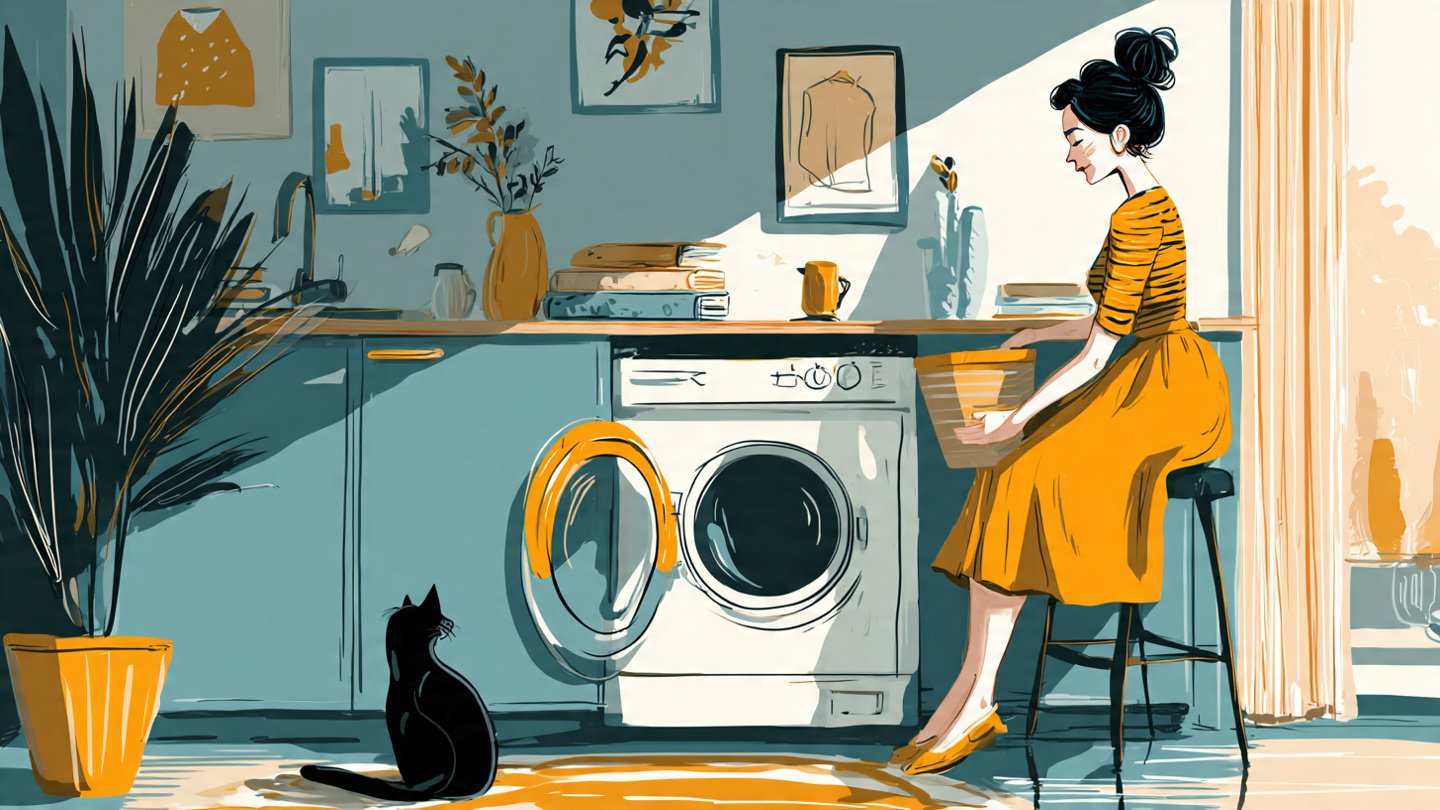
Housework has long been a part of daily life, but for many people today, it seems heavier, more exhausting, and increasingly stressful. The constant cycle of cleaning, cooking, laundry, and organizing can feel never-ending, leaving many questioning why it seems more burdensome than in the past. Understanding the reasons behind this perception can help households manage chores more effectively, reduce stress, and restore a sense of balance.
The Evolution of Household Expectations
Historically, housework was often divided along traditional gender lines, with women primarily responsible for domestic tasks. While this division is slowly changing in many societies, the expectations surrounding housework have expanded, not diminished. Today, people are expected not just to maintain a home, but to do so efficiently, aesthetically, and healthily.
The modern home has evolved: we now have more appliances, more possessions, and higher standards for cleanliness. Social media has also contributed to this pressure. Platforms like Instagram and Pinterest showcase perfectly organized homes and aesthetically pleasing interiors, creating a subconscious benchmark that few can consistently meet. The result is a subtle but persistent feeling that housework is never enough, making chores feel heavier than they objectively are.
The Paradox of Technology
While household technology—from dishwashers to robotic vacuums—was designed to make life easier, it has ironically increased the perceived burden of housework for many. These tools create expectations of near-constant productivity. For instance, having a dishwasher makes people feel they should never have dirty dishes in the sink, and a robotic vacuum might make dust seem unacceptable. Technology sets a standard that can transform manageable chores into ongoing obligations, leaving little room for relaxation or imperfection.
The Mental Load
One of the most significant reasons housework feels so burdensome today is the concept of the “mental load.” The mental load is the invisible labor of planning, remembering, and coordinating household tasks. While physically performing chores takes effort, keeping track of what needs to be done, who is responsible for it, and when it should be done is often more exhausting than the chores themselves.
For example, a working parent might not just clean the kitchen but also mentally track when the pantry needs restocking, plan meals for the week, and remind children to complete their chores. This cognitive labor is relentless and often goes unrecognized, making housework feel disproportionately taxing.
Studies have shown that the mental load disproportionately falls on women, even in households where partners share physical chores. This imbalance amplifies stress and can create a feeling that housework is a heavy, never-ending burden.
The Role of Work-Life Balance
In contemporary life, most adults juggle careers, family responsibilities, and personal obligations. Unlike in previous generations, the line between work and home life is increasingly blurred. Remote work, flexible schedules, and constant connectivity mean many people carry their professional responsibilities into their homes. Consequently, housework becomes an added layer on top of an already full schedule, making even simple chores feel exhausting.
The pandemic, in particular, highlighted this strain. With families spending more time at home, the frequency and visibility of household chores increased dramatically. Laundry, dishes, and tidying that might have been sporadic suddenly became a constant presence, adding to the feeling that housework is an overwhelming, never-ending task.
Societal Pressure and Perfectionism
Another factor contributing to the burdensome nature of housework is societal pressure. The concept of the “perfect home” is pervasive, fueled by media, marketing, and cultural norms. People are encouraged to maintain spotless kitchens, organized closets, and pristine bathrooms, often while balancing full-time jobs and family responsibilities.
Perfectionism exacerbates the weight of housework. When individuals feel that their home must meet high standards, even small tasks can feel monumental. A minor spill or cluttered countertop can trigger feelings of failure or stress, adding a psychological weight to the physical act of cleaning.
The Impact of Household Size and Complexity
Modern homes often contain more possessions than previous generations, and these additional items create more work. Consider a simple scenario: the more toys children have, the more frequently floors must be tidied; the more kitchen gadgets one owns, the more surfaces need cleaning; the more laundry one produces, the more time-consuming it becomes. In short, consumer culture has made homes more complex, and complexity invariably leads to more chores.
Additionally, household structures have changed. Multi-generational homes, dual-income families, and homes with pets introduce new dynamics and responsibilities, each adding to the cumulative burden of housework.
Physical and Emotional Fatigue
Housework is not just mentally taxing—it is physically demanding too. Repetitive motions like scrubbing, lifting, bending, and standing for long periods can lead to fatigue and, over time, physical strain. When paired with emotional fatigue from balancing multiple roles, chores can feel overwhelming, creating a cycle where exhaustion feeds into the perception of housework as burdensome.
Moreover, the emotional toll of housework is often overlooked. A messy home can trigger anxiety, reduce feelings of control, and impact overall well-being. The pressure to maintain a tidy, organized, and aesthetically pleasing space while balancing other responsibilities creates a perfect storm for stress and burnout.
Why Housework Feels Endless
Several factors contribute to the perception that housework never ends:
- Cyclic Nature: Chores like laundry, dishwashing, and tidying are repetitive. Unlike a project with a clear endpoint, these tasks restart almost immediately after completion.
- Invisible Labor: Planning, scheduling, and managing the household are ongoing, often unacknowledged tasks that add to mental strain.
- High Standards: Cultural and social expectations can make ordinary chores feel insufficient, leaving people with a constant sense of unfinished work.
- Time Pressure: Many people perform housework amidst other demanding responsibilities, making even short tasks feel exhausting and stressful.
Strategies to Make Housework More Manageable
While housework will likely never disappear entirely, there are strategies to reduce its perceived burden:
- Share Responsibilities: Effective division of chores is critical. Assign tasks based on preference and ability rather than defaulting to traditional roles.
- Set Realistic Standards: Accept that perfection is unattainable. A home does not need to look like a showroom to be comfortable and functional.
- Use Technology Wisely: Appliances and organizational tools can help, but they are most effective when used to reduce work, not increase pressure.
- Batch Tasks: Grouping chores together or doing them at specific times can make them feel less intrusive and more manageable.
- Acknowledge Mental Load: Recognize the invisible labor that goes into managing a household. Discussing and sharing this cognitive burden can relieve stress.
- Declutter Regularly: Fewer possessions mean fewer items to clean and organize, reducing both physical and mental strain.
- Practice Self-Care: Housework is easier to manage when one is rested and mentally healthy. Prioritize sleep, nutrition, and relaxation.
Redefining Housework
Ultimately, the burden of housework is as much about perception as it is about the tasks themselves. By understanding the factors that make chores feel heavier—modern expectations, mental load, technology pressures, societal standards, and physical fatigue—households can implement practical strategies to lighten the load.
Redefining housework involves acknowledging that a home does not need to be flawless to be comfortable, sharing responsibilities fairly, and valuing the invisible labor that keeps a household functioning. By doing so, housework can transform from a source of stress into a manageable, even satisfying part of daily life.
Conclusion
Housework feels more burdensome today because modern life is complex, expectations are high, and the invisible labor of managing a household has increased. By recognizing these factors, adopting practical strategies, and fostering a realistic, shared approach to chores, individuals can reclaim balance, reduce stress, and regain a sense of control over their homes. Understanding why housework feels heavier is the first step toward making it more manageable—and even finding satisfaction in a clean, organized, and functional living space.