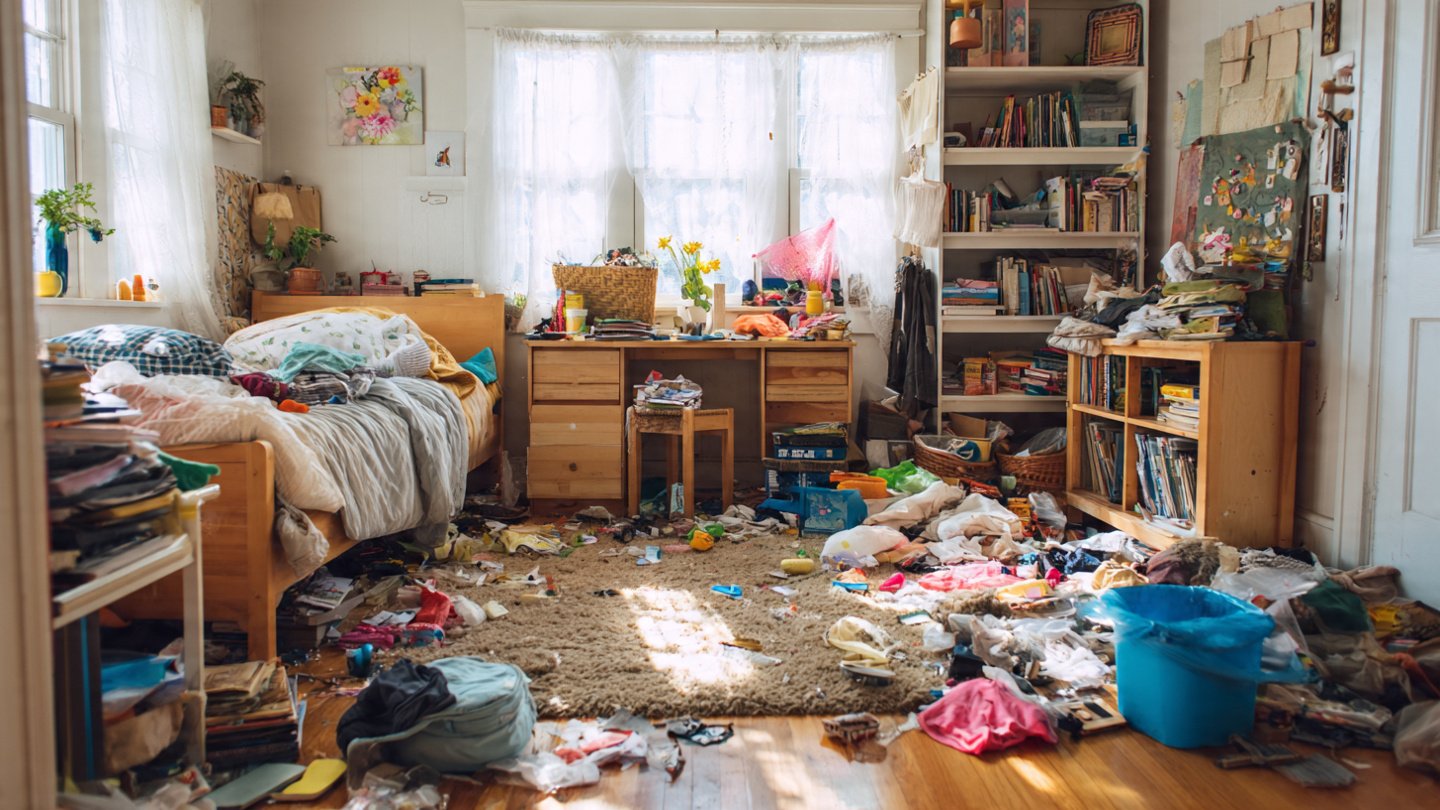
In today’s fast-paced world, our homes are meant to be havens—a place of rest, comfort, and rejuvenation. Yet, for many families, especially those with busy schedules, homes often transform into hubs of clutter and chaos. Toys scattered across the floor, dishes piled in the sink, unread mail stacked on tables, and clothes left unfolded on beds—all of these signs point to a deeper issue: the cycle of clutter that perpetuates disorder in busy households. Understanding this cycle, its causes, and practical ways to break free from it is essential for creating a calm, organized, and functional living space.
Understanding the Clutter-Chaos Cycle
The clutter-chaos cycle is a repetitive loop that many families find themselves trapped in, often without even realizing it. It usually starts small: a few items left out of place, a corner of the kitchen counter that becomes a catch-all for mail and keys, or a pile of laundry that goes untouched for days. Over time, these minor oversights accumulate, creating visual and mental clutter that can lead to stress, anxiety, and reduced productivity.
Clutter is not just about physical objects—it affects the mind. A messy environment can make it harder to focus, sleep, and relax. Studies have shown that cluttered spaces can elevate cortisol levels, the hormone associated with stress. When chaos dominates a home, family members may feel overwhelmed, which can, in turn, reduce their motivation to clean or organize, reinforcing the cycle.
Common Triggers of Clutter in Busy Homes
- Time Constraints: One of the most significant contributors to clutter is a lack of time. Parents juggling work, school schedules, extracurricular activities, and household responsibilities often prioritize urgent tasks over tidying up. This leaves small messes unattended, which gradually grow into larger ones.
- Overaccumulation: Busy homes often accumulate items faster than they can be sorted or used. Children outgrow toys, old gadgets pile up, and daily purchases add to the load. Without regular decluttering, possessions can quickly overrun available storage, turning the home into a labyrinth of things.
- Emotional Attachment: Many people hold onto items for sentimental reasons. Clothes from high school, old gifts, or children’s artwork can create emotional clutter, making it difficult to part with things even when they are no longer useful.
- Lack of Systems: Homes without clear systems for organizing items—like designated spots for shoes, mail, or toys—can quickly descend into chaos. Without routines, clutter accumulates because there is no process in place to manage it.
- Digital Distractions: In the modern home, clutter is not just physical. Digital clutter—unmanaged emails, photos, and online subscriptions—can contribute to the feeling of overwhelm and distract from addressing physical messes.
The Effects of Clutter on Daily Life
Clutter doesn’t just make a home look messy; it affects every aspect of life.
- Increased Stress: Walking into a cluttered home after a long day can feel mentally exhausting. The visual overload triggers stress, making it harder to relax and enjoy downtime.
- Reduced Productivity: Studies suggest that cluttered environments negatively impact focus and cognitive performance. Searching for lost items or working in chaotic spaces slows down tasks and reduces efficiency.
- Strained Relationships: In shared households, clutter can become a source of tension. Arguments over tidiness, misplaced items, and the effort required to clean can strain family dynamics.
- Health Concerns: Piles of clutter can harbor dust, allergens, and even mold, which can impact respiratory health. Additionally, tripping hazards from scattered items increase the risk of accidents, especially for young children or older adults.
Breaking the Cycle: Practical Strategies
The good news is that the cycle of clutter and chaos can be interrupted with intentional strategies. While it requires effort and consistency, the payoff—a more organized, peaceful home—is well worth it.
1. Declutter in Small Steps
One of the most effective ways to start is by tackling clutter in small, manageable sections. Instead of attempting to organize the entire house at once, focus on one room, one drawer, or one category of items. For example, spend 15 minutes a day sorting through the kitchen cabinets or a child’s toy collection. Small, consistent efforts accumulate over time, making the process less overwhelming.
2. Create Systems and Routines
Clutter often thrives in the absence of structure. Implementing organizational systems helps maintain order. Examples include:
- Entryway Bins: For shoes, keys, and mail.
- Toy Rotation: Keep only a few toys accessible while storing the rest, rotating them weekly.
- Laundry Schedule: Designate specific days for washing, folding, and putting away clothes.
- Mail Sorting Station: Sort daily into categories: bills, action items, and filing.
Establishing routines makes it easier for everyone in the household to follow, reducing the buildup of clutter.
3. Adopt a “One In, One Out” Rule
To prevent overaccumulation, consider adopting a “one in, one out” approach. Whenever a new item enters the home, an old one is removed. This applies to toys, clothing, kitchen gadgets, and even digital subscriptions. It’s a simple yet powerful method to keep possessions manageable.
4. Let Go of Sentimental Clutter
Emotional attachment can be a significant barrier to decluttering. Start by keeping only items that genuinely bring joy or have meaningful purpose. Photograph items you want to remember but don’t need to physically keep. This preserves memories without contributing to chaos.
5. Involve the Whole Family
Clutter management should not fall solely on one person. Involve all family members in organizing efforts. Teach children age-appropriate responsibilities, like putting toys away or sorting their laundry. Collaborative efforts not only reduce clutter but also teach important life skills.
6. Use Storage Solutions Wisely
Smart storage is key to maintaining an organized home. Utilize vertical space with shelves, install hooks for hanging items, and consider multi-purpose furniture like ottomans with storage. Clear containers are especially useful because they allow you to see contents at a glance.
7. Schedule Regular “Reset” Days
Even with the best systems in place, clutter can sneak back. Designate a weekly or monthly “reset” day to tidy up common areas, clear out expired food, and donate unused items. Routine maintenance prevents small messes from snowballing into chaos.
8. Mindful Consumption
Breaking the cycle also involves reconsidering habits that contribute to clutter. Evaluate purchases carefully—ask if an item is truly needed or will add value. Avoid impulse buying, and embrace minimalism where possible. Fewer items mean less clutter to manage.
The Psychological Benefits of an Organized Home
The impact of decluttering extends beyond the physical environment. A well-organized home promotes mental clarity, relaxation, and emotional well-being. It can reduce stress, improve sleep quality, and even foster creativity. Family interactions become more harmonious, as shared spaces are easier to navigate and maintain.
An orderly home also encourages mindfulness. By knowing where things are and having routines in place, individuals can focus more on meaningful activities instead of constantly reacting to mess. It’s a form of self-care that nurtures both mental and physical health.
Breaking the Cycle is a Journey, Not a One-Time Fix
It’s important to remember that eliminating clutter and chaos is not a one-time task—it’s an ongoing journey. Busy households will naturally experience temporary clutter, especially during holidays, school projects, or life transitions. What matters is consistency and mindset. By recognizing the triggers, implementing practical systems, and cultivating mindful habits, families can break free from the cycle and enjoy a home that truly feels like a sanctuary.
Conclusion
The cycle of clutter and chaos is common in busy homes, but it is far from inevitable. Understanding how clutter accumulates, why it persists, and how it affects our lives is the first step toward reclaiming control. By taking deliberate action—through decluttering, organizing, creating routines, and mindful consumption—families can transform their homes into peaceful, functional spaces. While the process requires time, patience, and teamwork, the rewards are profound: a home that reduces stress, nurtures relationships, and supports the well-being of all who live in it.
Breaking the cycle is not about perfection; it’s about creating systems and habits that make chaos manageable and order attainable. With commitment and mindfulness, any busy household can shift from a life dominated by clutter to one of harmony, efficiency, and peace.