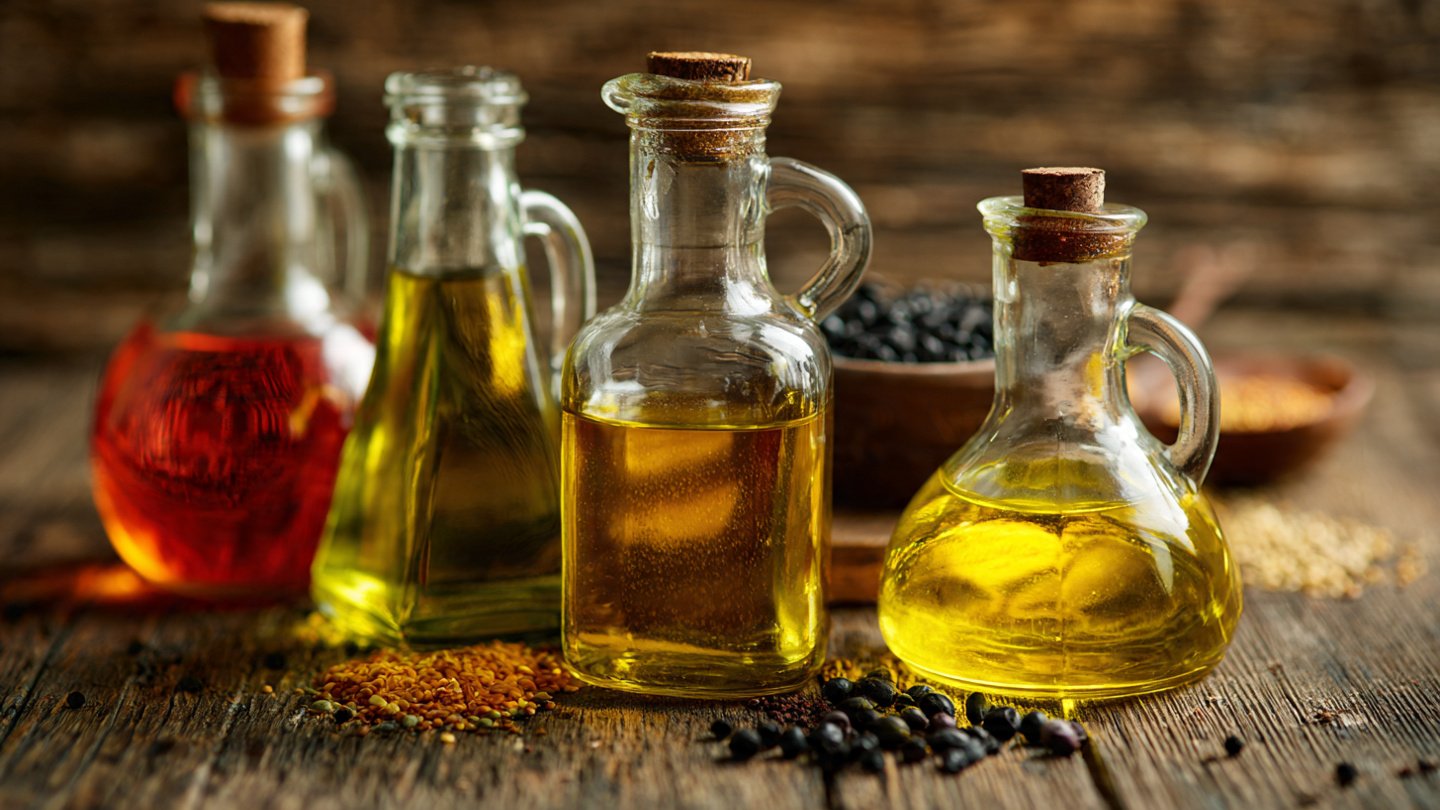
Cooking oils are indispensable in kitchens worldwide, adding flavor, texture, and essential nutrients to our meals. From frying crispy potatoes to sautéing vegetables, the choice and quality of oil significantly affect both the taste and healthfulness of food. However, one often overlooked factor is the impact of heat on cooking oils, which can drastically influence their shelf life and safety. Understanding how heat affects oil, recognizing signs of deterioration, and taking preventive measures are crucial for maintaining both flavor and health.
Understanding Cooking Oil Composition
Before delving into how heat affects oils, it is important to understand their basic composition. Cooking oils are primarily composed of triglycerides, which are molecules made of three fatty acids attached to a glycerol backbone. The type of fatty acids—saturated, monounsaturated, or polyunsaturated—determines how the oil behaves under heat.
- Saturated fats (found in coconut oil and palm oil) are relatively stable and resistant to heat.
- Monounsaturated fats (like olive oil and canola oil) are moderately stable and suitable for medium-heat cooking.
- Polyunsaturated fats (such as sunflower, corn, and soybean oils) are the least stable and prone to oxidation under heat.
The presence of antioxidants, such as vitamin E in some oils, can also help slow down degradation, but they are not immune to high temperatures.
How Heat Accelerates Oil Degradation
When cooking oils are exposed to heat, they undergo chemical changes that can compromise their quality, flavor, and safety. The primary forms of degradation are oxidation, hydrolysis, and polymerization.
1. Oxidation
Oxidation occurs when oxygen interacts with unsaturated fatty acids in oil, producing free radicals and other reactive compounds. Heat accelerates this process, especially in oils high in polyunsaturated fats. Oxidized oils develop off-flavors, often described as rancid, and can produce compounds that are harmful to health. Studies have shown that regularly consuming oxidized oils can increase the risk of inflammation, cardiovascular diseases, and oxidative stress in the body.
2. Hydrolysis
Hydrolysis happens when oil reacts with water, often present in food being fried. Heat promotes this reaction, breaking triglycerides into free fatty acids and glycerol. This process not only affects taste but also increases the oil’s acidity, reducing its smoke point and making it more prone to further degradation.
3. Polymerization
High heat, particularly during deep frying, can cause polymerization, where fatty acid molecules bond together to form larger compounds. This leads to a thick, sticky residue often seen in overused frying oil. Polymerized oils are dangerous when consumed repeatedly as they can contribute to the formation of trans fats and other toxic compounds, negatively impacting heart health and digestion.
Smoke Point and Its Significance
The smoke point is the temperature at which oil starts to smoke and break down. Heating oil beyond its smoke point accelerates degradation and produces harmful compounds, such as acrolein, which irritates the eyes and respiratory system. Each oil has a specific smoke point:
- Avocado oil: ~520°F (271°C)
- Coconut oil: ~350°F (177°C)
- Olive oil: ~375–420°F (190–215°C)
- Canola oil: ~400°F (204°C)
- Sunflower oil: ~440°F (227°C)
Choosing an oil appropriate for the cooking temperature is crucial. For example, using extra virgin olive oil for deep frying is not recommended due to its lower smoke point, whereas avocado oil is ideal for high-temperature cooking.
Impact of Repeated Heating
Many households and commercial kitchens reuse oil to save costs, but repeated heating drastically reduces shelf life and safety. Each heating cycle introduces more oxidation, polymerization, and hydrolysis, leading to:
- Darkening of oil color
- Thickened or sticky texture
- Strong, unpleasant odors
- Formation of potentially carcinogenic compounds
A study on frying oils found that after several rounds of deep frying, free fatty acid content and peroxide values increased significantly, indicating a high level of deterioration. Consuming such oils regularly can pose serious health risks, including cardiovascular disease, liver stress, and digestive issues.
Storage Conditions and Heat Exposure
Even before cooking, heat exposure during storage can reduce oil shelf life. Oils stored near stovetops, ovens, or in direct sunlight degrade faster due to elevated temperatures and light exposure. Ideal storage practices include:
- Keeping oils in cool, dark places, away from heat and sunlight
- Using tightly sealed containers to limit oxygen contact
- Avoiding metal containers for long-term storage, as metals can catalyze oxidation
For oils with short shelf lives, such as flaxseed or walnut oil, refrigeration is recommended to slow down degradation.
Recognizing Signs of Oil Deterioration
Identifying whether cooking oil has gone bad is critical for safety. Common signs include:
- Off odor: Rancid, sour, or metallic smells indicate oxidation
- Change in color: Darkening suggests repeated use or heat damage
- Viscous texture: Sticky or thick oil often results from polymerization
- Smoke at low temperature: A sudden smoke cloud while heating signals breakdown
If any of these signs appear, it is safer to discard the oil rather than risk health issues.
Health Risks of Heat-Damaged Oils
Regular consumption of heat-damaged oils carries significant health risks. Some key concerns include:
- Inflammation: Oxidized oils generate free radicals, increasing oxidative stress in the body
- Heart disease: Trans fats and polymerized compounds formed at high temperatures can raise LDL cholesterol and lower HDL cholesterol
- Digestive problems: Hydrolyzed and oxidized oils can irritate the gastrointestinal tract
- Toxic compounds: Long-term consumption may expose the body to carcinogens, particularly acrolein and aldehydes
Maintaining oil quality is not just about flavor but a vital component of long-term health.
Best Practices for Safe Oil Use
To maximize both shelf life and safety, follow these practical tips:
1. Choose the Right Oil
Select oils suited to your cooking methods. Use stable, high smoke point oils for frying and medium-stable oils for sautéing or baking.
2. Avoid Repeated Heating
Limit the reuse of oil. For deep frying, do not exceed two to three cycles, and always filter out food particles between uses.
3. Monitor Temperature
Use a thermometer to ensure oil does not exceed its smoke point. Maintain medium heat for sautéing and carefully monitor deep frying temperatures.
4. Store Properly
Keep oils in dark, cool areas, away from direct heat and light. Refrigerate oils prone to oxidation, and use airtight containers to reduce oxygen exposure.
5. Be Observant
Regularly inspect oil for color, odor, and texture changes. Discard any oil showing signs of spoilage.
6. Use Fresh Oil for High-Temperature Cooking
Even small amounts of heat-damaged oil can compromise food safety. Reserve fresh oil for high-temperature applications and keep older oil for low-heat cooking or flavoring.
Conclusion
Heat plays a major role in determining the shelf life and safety of cooking oils. Understanding oil composition, smoke points, and the effects of repeated heating is essential for anyone who wants to cook healthily and safely. Oxidation, hydrolysis, and polymerization can degrade oils, leading to off-flavors, sticky residues, and potential health risks. By selecting the right oils, storing them correctly, and monitoring their use carefully, we can maintain both the flavor and nutritional quality of our meals.
Ultimately, mindful oil usage is not just a culinary choice but a health-conscious decision. Respecting the chemistry of cooking oils ensures longer shelf life, safer meals, and a healthier kitchen environment.