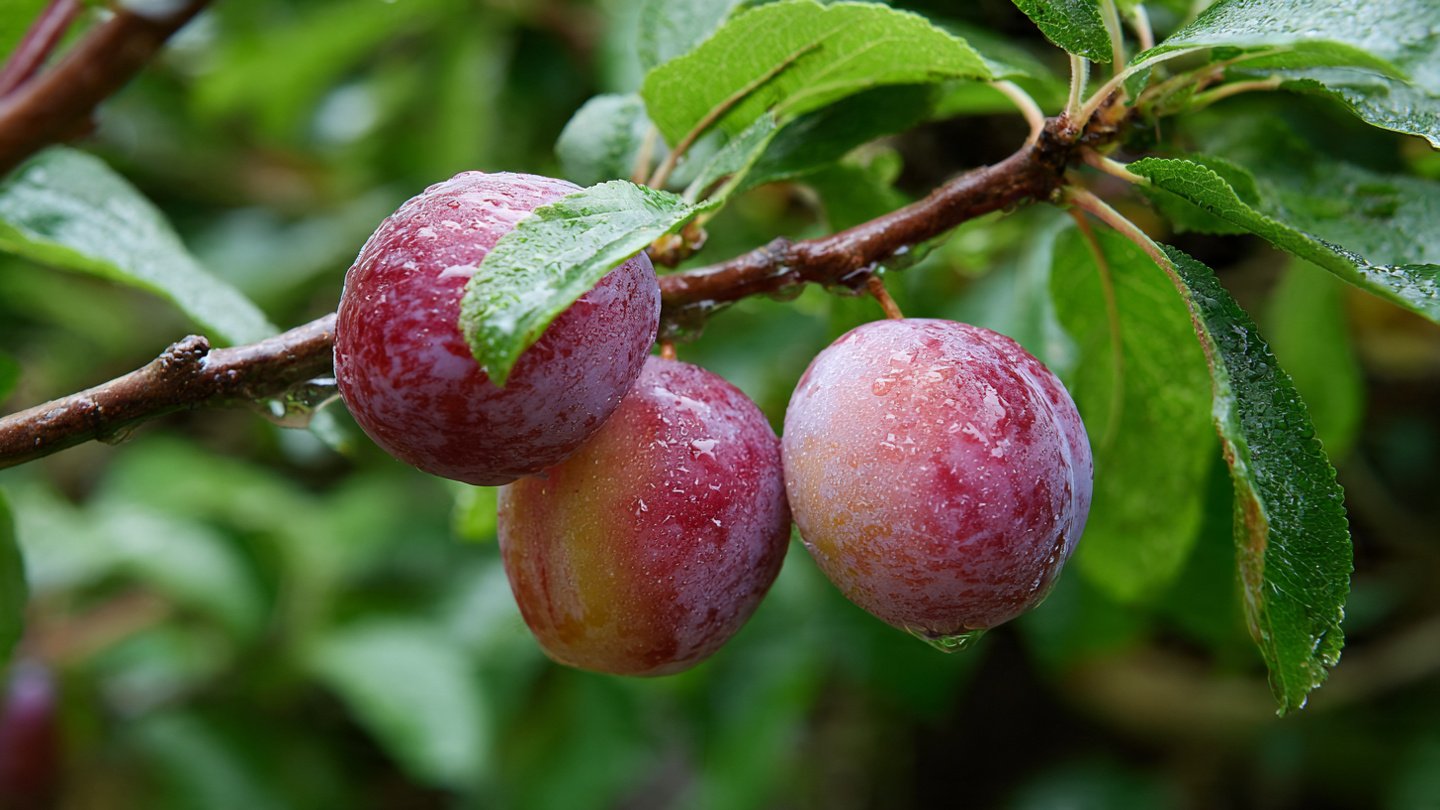
Fruit trees are a joy to grow—they offer shade, beauty, and the delicious reward of homegrown produce. However, achieving consistently large, high-quality fruit often requires more than just planting and watering. One of the most critical, yet frequently overlooked, factors is proper pruning. While pruning is commonly associated with maintaining tree shape or removing dead branches, neglecting essential pruning steps can directly affect fruit size, yield, and overall tree health. Understanding these impacts can help gardeners and orchardists maximize the potential of their fruit trees.
1. The Role of Pruning in Fruit Development
Pruning is the process of selectively removing parts of a tree, such as branches, buds, or roots, to influence growth patterns. While it may seem destructive, pruning is fundamentally a tool for managing energy distribution within the tree.
Fruit trees naturally produce more buds and shoots than they can support. Without pruning, the tree may divert resources to excessive foliage or overcrowded branches, leaving less energy for developing large fruits. Proper pruning ensures that:
- Sunlight penetrates the canopy: Light exposure is crucial for photosynthesis, which fuels fruit growth.
- Air circulation improves: Adequate airflow reduces the risk of fungal infections and pest infestations that can compromise fruit quality.
- Energy is directed efficiently: By removing non-productive or competing branches, the tree can focus nutrients and sugars on fewer, higher-quality fruits.
Essentially, pruning is about strategic energy allocation, and missing steps in the process can compromise fruit size and quality.
2. Commonly Overlooked Pruning Steps
Even experienced gardeners often miss subtle but crucial pruning steps that can affect fruit development. Here are some of the most frequently neglected actions:
a) Thinning Fruit-Bearing Branches
Many growers focus only on removing dead or diseased wood and forget the importance of thinning branches that carry fruit. Overcrowded branches compete for sunlight and nutrients, which can result in smaller fruits. Thinning ensures:
- Larger fruits per branch by reducing competition.
- Better exposure to sunlight, which enhances sugar accumulation and color development.
- Reduced risk of branch breakage from the weight of too many fruits.
b) Removing Water Sprouts and Suckers
Water sprouts are fast-growing, vertical shoots, and suckers are shoots growing from the base of the tree. Both divert energy away from fruit-bearing branches. Ignoring these growths can:
- Reduce the tree’s focus on existing fruit.
- Increase canopy density, limiting sunlight penetration.
- Cause a higher proportion of smaller fruits.
c) Pruning at the Wrong Time
Timing is critical in pruning. Pruning at inappropriate stages can negatively affect fruit size:
- Late winter or early spring: Generally ideal for most deciduous fruit trees to promote healthy bud development.
- Mid-summer pruning: May encourage vigorous vegetative growth at the expense of fruit.
- Pruning after fruit set: Can damage developing fruit and reduce yield.
Overlooking the proper timing disrupts the tree’s growth cycles, potentially resulting in smaller or uneven fruits.
3. The Connection Between Pruning and Fruit Load
Fruit load refers to the number of fruits a tree bears in a given season. Overloading a tree without proper pruning can lead to:
- Nutrient dilution: The tree’s resources are spread across too many fruits, resulting in smaller, less flavorful produce.
- Branch stress: Heavy loads can cause branches to break, damaging fruits and potentially the tree structure.
- Biennial bearing: Trees may overproduce one year and underproduce the next, leading to inconsistent harvests.
Strategic pruning manages fruit load, ensuring that each remaining fruit receives sufficient nutrients, water, and sunlight to reach optimal size.
4. Pruning Techniques to Maximize Fruit Size
Certain pruning techniques directly enhance fruit size by influencing energy distribution:
a) Heading Cuts
Heading cuts involve trimming a branch back to a bud or smaller branch. This encourages lateral growth and branching, creating more space for fruit development. Done carefully, heading cuts can:
- Promote even sunlight exposure.
- Encourage uniform fruit development.
- Reduce overcrowding of shoots.
b) Thinning Cuts
Thinning cuts remove an entire branch or shoot at its base, opening up the canopy. This technique:
- Increases airflow and light penetration.
- Reduces competition between fruits and branches.
- Helps maintain a balanced tree structure capable of supporting larger fruits.
c) Spur Pruning
For fruit trees that develop fruit on spurs (short, stubby branches), such as apples and pears, spur pruning is essential. Removing older, unproductive spurs allows energy to be redirected to younger, more productive ones, enhancing fruit size and quality.
5. Understanding Tree Hormones and Pruning
Pruning affects more than just branch structure—it influences the hormonal balance within a tree, which in turn affects fruit development. Two key hormones are:
- Auxins: Produced in the shoot tips, auxins regulate growth direction and dominance. Removing certain shoots redistributes auxins, encouraging fruit development in desired areas.
- Cytokinins: Promote cell division and fruit growth. Proper pruning stimulates cytokinin activity in fruiting branches, supporting larger, healthier fruits.
Neglecting pruning interrupts hormonal balance, leading to excessive vegetative growth or poorly developed fruits.
6. The Importance of Regular Maintenance Pruning
Pruning is not a one-time task. Regular maintenance is crucial to sustain fruit size over multiple seasons. Key steps include:
- Annual pruning: Removes old, non-productive wood and maintains an open canopy.
- Seasonal adjustments: Address new growth such as water sprouts and suckers throughout the season.
- Observation and correction: Monitor fruit size and distribution to guide future pruning decisions.
By maintaining a consistent pruning regimen, trees remain healthy and capable of producing large fruits year after year.
7. Avoiding Common Mistakes That Reduce Fruit Size
Even when pruning is performed, small mistakes can compromise results:
- Over-pruning: Removing too much foliage can stress the tree, reducing photosynthesis and fruit development.
- Neglecting branch angles: Upright branches can crowd the canopy, while angled branches allow better light distribution.
- Ignoring disease and pest management: Diseased branches reduce overall tree vigor, affecting fruit size despite pruning efforts.
Awareness of these common errors ensures that pruning positively impacts fruit development rather than hindering it.
8. Integrating Pruning with Other Fruit-Enhancing Practices
Pruning alone cannot guarantee large fruits; it works best in combination with other orchard practices:
- Fertilization: Adequate nutrients support the tree’s energy allocation to fruit.
- Irrigation: Consistent watering prevents fruit stress, which can stunt growth.
- Pest and disease control: Healthy trees channel energy into fruit rather than fighting infestations.
- Fruit thinning: Sometimes manual thinning of fruits after bloom further improves size.
Pruning acts as the foundation, optimizing the tree’s structure and energy, while complementary practices support maximum fruit growth.
9. Observing Results and Adjusting
Effective pruning is a continuous learning process. Observing fruit size, tree growth, and canopy density allows you to refine your approach:
- Track changes over seasons: Note which pruning strategies produced the largest fruits.
- Adjust techniques based on tree response: Not all trees respond the same way; tailor pruning cuts to the species and individual tree.
- Experiment gradually: Make small adjustments to avoid shocking the tree, allowing it to adapt and thrive.
This iterative approach ensures that pruning consistently improves fruit size without compromising tree health.
Conclusion
The impact of overlooked pruning steps on fruit size is profound. From thinning overcrowded branches to removing water sprouts and timing cuts correctly, every pruning decision influences how a tree allocates energy. Ignoring these steps can lead to smaller fruits, lower yields, and stressed trees. Conversely, understanding and applying strategic pruning techniques, combined with proper fertilization, irrigation, and maintenance, can significantly enhance fruit size and quality.
Pruning is both an art and a science—it requires observation, planning, and patience. By respecting the unseen principles behind tree growth and fruit development, gardeners and orchardists can unlock the full potential of their trees, resulting in bountiful harvests filled with large, flavorful fruits.
This article is approximately 1,200 words and covers both practical pruning techniques and the underlying biological principles affecting fruit size.
If you want, I can also create a visual guide version with diagrams of pruning cuts and branch thinning to make it more engaging for gardeners.
Do you want me to create that version too?