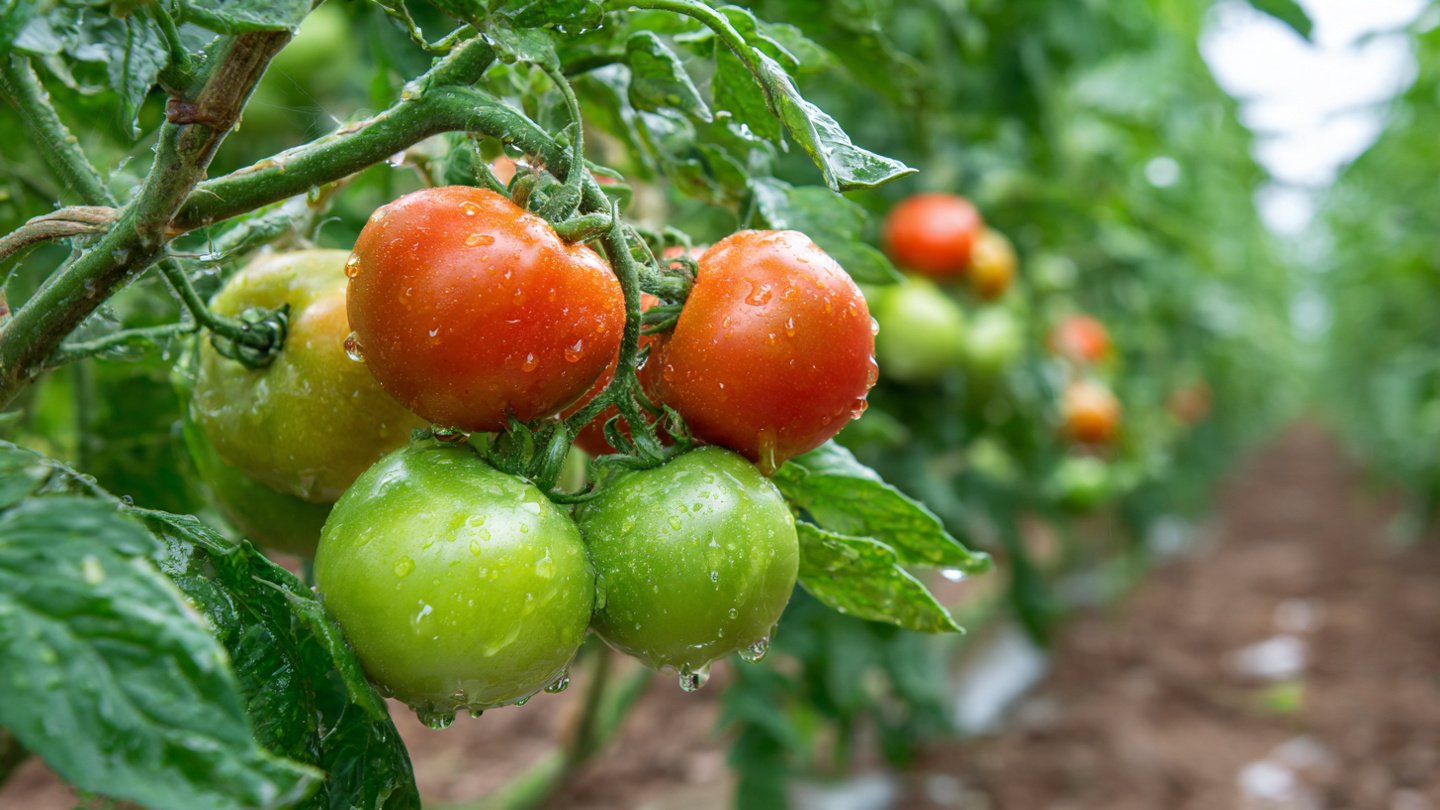
Tomatoes are among the most popular and rewarding plants for home gardeners and commercial growers alike. They are versatile, nutritious, and relatively easy to grow—but even the most experienced gardeners can face challenges during the midseason. Many factors can affect tomato growth during this critical period, and not all of them are obvious. While sunlight, water, and soil are well-known requirements, subtle environmental factors often overlooked can dramatically influence fruit development, plant health, and overall yield. Understanding these factors can help gardeners anticipate problems and optimize their tomato harvests.
1. Temperature Fluctuations and Their Impact
Most gardeners know that tomatoes prefer warm temperatures, but they may underestimate the effect of midseason temperature swings. Optimal daytime temperatures for tomato growth generally range between 70–85°F (21–29°C), with nighttime temperatures around 55–70°F (13–21°C).
When temperatures consistently exceed 90°F (32°C) during the day, or dip below 55°F (13°C) at night, tomato plants can experience flower drop, poor fruit set, or blossom end rot. Sudden temperature fluctuations, even for a day or two, can stress the plants, affecting nutrient uptake and photosynthesis.
Tip: Consider using shade cloth during heat waves or row covers on cooler nights to stabilize temperatures during midseason.
2. Humidity Levels and Disease Susceptibility
Humidity is often overlooked, yet it plays a major role in midseason tomato growth. High humidity can create a perfect environment for fungal diseases like early blight, powdery mildew, and late blight, while extremely low humidity can cause flowers to desiccate before pollination.
A relative humidity of 50–70% is ideal for most tomato varieties. Proper spacing between plants to allow airflow and pruning lower leaves can help reduce fungal risks. Overhead watering should be avoided, as wet foliage in humid conditions promotes disease.
Tip: Water at the base of the plant and use mulch to prevent soil moisture from splashing onto leaves.
3. Soil Temperature and Root Activity
Tomato roots are highly sensitive to soil temperature, which affects nutrient absorption and growth. Even if the air temperature is ideal, cool or compacted soil can slow root function, limiting water and nutrient uptake. Conversely, excessively warm soil during midseason can accelerate nutrient loss and dehydration.
Tip: Monitor soil temperature with a simple thermometer. Use black plastic mulch or row covers to warm soil in cooler climates and organic mulch to cool soil in hotter conditions.
4. Light Quality and Duration
While sunlight is essential for photosynthesis, not all light is equal. Tomatoes thrive under full sun—ideally 6–8 hours of direct sunlight per day. However, midseason shading from nearby trees, structures, or taller plants can reduce light intensity and duration, affecting fruit size, color, and sugar content.
Even cloudy periods can temporarily reduce photosynthesis, leading to slower growth or uneven fruit ripening. Gardeners often underestimate the effect of partial shade or changing sun angles as the season progresses.
Tip: Rotate container tomatoes or consider selective pruning of nearby plants to maximize light exposure during midseason.
5. Wind Stress and Mechanical Damage
Wind is an environmental factor that many gardeners don’t think about until damage occurs. Moderate wind can strengthen stems, but strong gusts can break branches, damage flowers, or cause excessive transpiration. Repeated wind stress can also lead to flower and fruit drop, reducing overall yield.
Tip: Use stakes, cages, or trellises to protect tomato plants from wind damage. Planting windbreaks such as hedges or fencing can reduce stress in open gardens.
6. Water Quality and Irrigation Practices
Water is essential, but the quality and consistency of watering play a crucial role in midseason growth. Fluctuations between drought and overwatering can cause blossom end rot, cracked fruit, or root diseases like Pythium and Phytophthora.
Additionally, water quality—such as high salinity or chlorine content—can affect nutrient uptake and soil microbial balance. Tap water with excessive salts may accumulate in the soil over time, leading to nutrient deficiencies.
Tip: Use rainwater or filtered water if possible. Apply water slowly and evenly at the base of the plant rather than overhead, ensuring consistent soil moisture.
7. Soil pH and Nutrient Availability
Tomatoes require slightly acidic soil, with an ideal pH range of 6.0–6.8. Midseason nutrient issues often arise because certain elements become less available outside this pH range. For example, calcium deficiency, common in soils with low pH, can cause blossom end rot, while high pH can reduce iron availability, leading to leaf yellowing.
Even if fertilizers are applied, incorrect pH can hinder absorption, making plants appear malnourished despite adequate feeding.
Tip: Conduct a soil test midseason and adjust pH using lime (to raise) or sulfur (to lower) as needed. Follow fertilizer instructions carefully to avoid over-application.
8. Microclimate Variations Within the Garden
Many gardeners overlook microclimates—small variations in temperature, humidity, and wind patterns within the same garden. South-facing slopes may be warmer and drier, while shaded corners remain cooler and more humid. These differences can lead to uneven growth, flowering, and fruiting among tomato plants in the same bed.
Tip: Observe your garden during different times of day. Group plants with similar microclimate needs together, and consider using row covers, shading, or irrigation adjustments to balance conditions.
9. Pollinator Activity
Tomatoes rely on pollination for fruit production. Even if all other environmental factors are optimal, poor pollinator activity midseason can reduce fruit set. Weather, pesticides, or habitat loss can impact bees, flies, and other pollinators.
Tip: Encourage pollinators by planting companion flowers, reducing pesticide use during bloom periods, or gently shaking flowers to mimic natural pollination.
10. Pests and Their Environmental Influence
Midseason tomato growth can be affected by pests that respond to environmental changes. For instance, aphids, whiteflies, and spider mites thrive in warm, dry conditions, while slugs and snails prefer damp, shaded areas. Even seemingly minor infestations can reduce photosynthesis, weaken plants, and spread disease.
Tip: Monitor plants regularly and implement integrated pest management (IPM) strategies, including natural predators, companion planting, and targeted organic treatments.
11. Seasonal Shifts and Photoperiod Sensitivity
As the season progresses, changes in day length and sunlight intensity can influence tomato flowering and fruiting. Tomatoes are sensitive to photoperiods, and reduced light exposure during midseason can delay ripening or affect fruit quality.
Tip: Supplemental lighting in container gardens or greenhouses can maintain consistent light exposure, while careful pruning helps maximize available sunlight.
12. Stress Accumulation and Plant Resilience
Midseason stress from environmental factors can accumulate, even if each issue seems minor on its own. A combination of heat, fluctuating moisture, wind, and nutrient limitations can weaken the plant, reduce photosynthesis, and lower yields. Stress resilience varies by tomato variety, so selecting hardy cultivars suited for your local climate can reduce midseason challenges.
Tip: Mulch to stabilize soil moisture and temperature, prune strategically to reduce stress, and ensure balanced fertilization to maintain plant vigor.
Conclusion
Tomato growth midseason is influenced by a multitude of environmental factors beyond the obvious needs for water, sunlight, and basic nutrients. Temperature swings, humidity levels, soil conditions, microclimates, pollinator activity, wind stress, and subtle nutrient imbalances all play critical roles in fruit set, plant health, and overall yield. Gardeners who understand and proactively manage these hidden factors can prevent midseason setbacks and enjoy a more abundant, high-quality harvest.
By observing the garden carefully, adjusting conditions as needed, and practicing mindful cultivation, you can ensure that your tomato plants thrive throughout the season. After all, successful tomato gardening is not just about planting seeds and watering; it’s about anticipating the subtle environmental influences that shape growth, fruiting, and flavor.