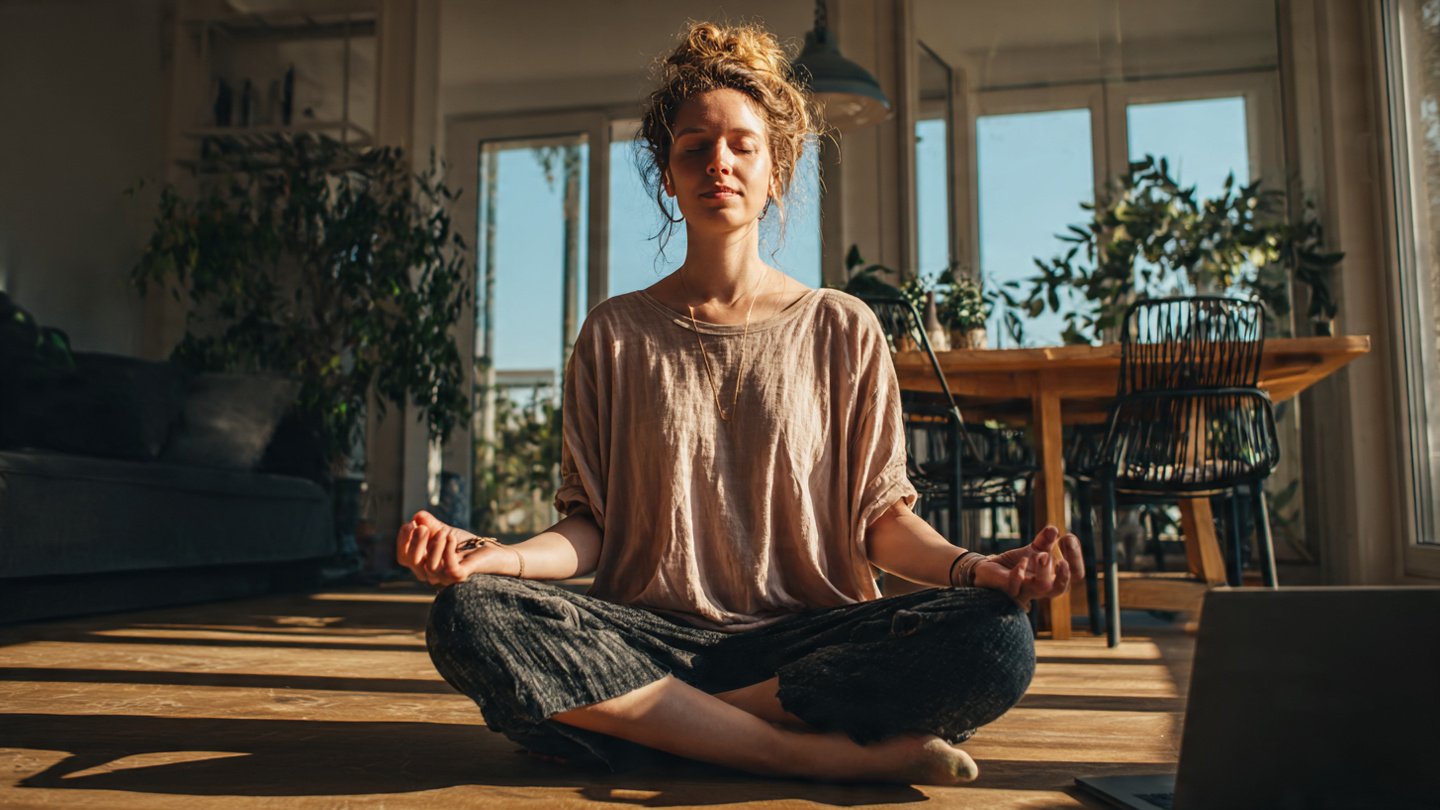
In today’s fast-paced world, stress has become a constant companion. From work pressures to family responsibilities, it’s easy to feel overwhelmed even within the comfort of your own home. While long-term stress management strategies like therapy or lifestyle changes are important, there’s also a need for simple routines that provide instant relief. By incorporating small, mindful practices into your daily life, you can reduce tension, calm your mind, and improve overall well-being—without leaving home. This guide explores a simple yet effective routine that you can follow to relieve stress instantly.
1. Start With Mindful Breathing
One of the quickest ways to reduce stress is through mindful breathing. When you’re stressed, your breathing becomes shallow and rapid, sending signals to your body to remain in a heightened state of alert. By taking slow, intentional breaths, you can calm the nervous system and release tension.
How to do it:
- Sit or lie down in a comfortable position.
- Close your eyes and take a deep breath in through your nose for a count of four.
- Hold your breath for a count of four.
- Exhale slowly through your mouth for a count of six.
- Repeat this process for 3–5 minutes, focusing solely on your breath.
This simple technique activates the parasympathetic nervous system, which promotes relaxation and counters the body’s stress response. Incorporating this practice into your daily routine can have immediate calming effects.
2. Move Your Body Gently
Physical activity is a natural stress reliever. Even light movement at home can release endorphins—the body’s feel-good chemicals—and reduce muscle tension.
Try these gentle exercises:
- Stretching: Reach your arms overhead, roll your shoulders, and gently stretch your neck. This helps release stiffness that builds up from sitting or tension.
- Yoga poses: Poses like Child’s Pose, Cat-Cow, or Forward Fold calm the mind while loosening tight muscles.
- Short walks or stair climbing: Moving around your home, even for 5–10 minutes, increases blood circulation and lowers cortisol levels.
You don’t need a full workout—just a few minutes of intentional movement can make a significant difference in your stress levels.
3. Practice Mindful Meditation
Meditation is a powerful tool for reducing stress, and it doesn’t require hours of practice. Even a few minutes of mindful meditation can help you regain focus, clarity, and calm.
Steps to meditate at home:
- Find a quiet, comfortable spot where you won’t be disturbed.
- Sit with your back straight and hands resting on your knees.
- Close your eyes and focus on your breath, noticing each inhale and exhale.
- If your mind wanders, gently bring your attention back to your breath.
- Continue for 5–10 minutes.
For beginners, guided meditation apps or videos can provide structure and support. Daily meditation enhances emotional resilience, making it easier to handle stress as it arises.
4. Engage in a Creative Outlet
Stress often builds when the mind feels trapped or overworked. Engaging in a creative activity allows you to focus on something enjoyable and shift your attention away from stressors.
Ideas include:
- Drawing or coloring: Even simple doodles can be calming and meditative.
- Cooking or baking: Preparing a meal mindfully can be both productive and soothing.
- Playing an instrument or listening to music: Music has therapeutic effects on the brain and can instantly uplift your mood.
- Journaling: Writing down thoughts and feelings helps release mental clutter and provides perspective.
The goal is not perfection but enjoyment. Allowing yourself to be creative helps you relax and reconnect with your inner self.
5. Aromatherapy for Instant Calm
Scents can have a profound impact on mood. Certain aromas trigger the brain to release calming chemicals, helping reduce stress in minutes.
Ways to use aromatherapy at home:
- Essential oils: Lavender, chamomile, sandalwood, and bergamot are known for their calming effects. Add a few drops to a diffuser or inhale directly from the bottle.
- Candles or incense: Light a scented candle or incense while sitting quietly or reading.
- Warm bath with oils: Add 3–5 drops of essential oil to your bathwater for a relaxing soak.
Aromatherapy works best when paired with deep breathing or meditation, enhancing the overall sense of relaxation.
6. Hydrate and Nourish Yourself
Stress can deplete your body’s energy and exacerbate tension. Staying hydrated and nourished helps regulate mood and supports mental clarity.
- Drink water: Even mild dehydration can increase stress and anxiety. Keep a water bottle nearby and sip throughout the day.
- Herbal teas: Chamomile, peppermint, and green tea have calming properties.
- Healthy snacks: Opt for fruits, nuts, or dark chocolate instead of processed sugary foods, which can spike anxiety.
Eating mindfully and savoring your food also provides a moment of pause, contributing to stress reduction.
7. Digital Detox and Mindful Breaks
Technology often adds to stress through constant notifications, social media, and work emails. Taking short breaks from screens can have immediate stress-reducing benefits.
How to do it:
- Put your phone on silent or “Do Not Disturb” mode for 15–30 minutes.
- Step away from your computer or television and focus on your surroundings.
- Engage in an offline activity, such as reading a book, stretching, or observing nature from your window.
Even brief digital breaks reduce mental overload and help you feel more present.
8. Create a Calm Environment
Your surroundings significantly influence your mental state. A peaceful home environment can make stress reduction easier.
Tips to create calm:
- Declutter regularly to minimize visual stress.
- Open windows for fresh air and natural light.
- Play soothing background music or nature sounds.
- Incorporate plants, which reduce anxiety and improve mood.
A serene environment primes your mind to relax, making other stress-relief routines more effective.
9. Combine Practices Into a Daily Routine
While each of these techniques can work individually, combining them into a simple daily routine maximizes benefits. Here’s an example of a 15-minute routine for instant stress relief:
- Minute 1–3: Mindful deep breathing to center your mind.
- Minute 4–7: Gentle stretching or yoga poses.
- Minute 8–10: Sipping herbal tea or water while practicing gratitude journaling.
- Minute 11–12: Aromatherapy inhalation or lighting a scented candle.
- Minute 13–15: Short meditation or mindfulness focus on breath and body sensations.
Repeating this routine daily, or even during high-stress moments, triggers relaxation responses and helps you maintain emotional balance.
10. The Power of Consistency
The most important factor in reducing stress is consistency. Even a simple routine practiced regularly can transform your ability to manage daily pressures. Over time, your body learns to respond to these techniques automatically, making stress less overwhelming and more manageable.
Consistency also reinforces self-care habits, reminding you that taking even a few minutes for yourself is valuable and necessary.
Conclusion
Stress may be an inevitable part of life, but its impact can be managed effectively at home with simple, intentional routines. By combining mindful breathing, gentle movement, meditation, creative outlets, aromatherapy, hydration, digital detox, and a calm environment, you can reduce stress instantly and create a sustainable path toward emotional wellness.
The beauty of this approach is its simplicity. You don’t need expensive equipment, complicated schedules, or extensive training. Just a few mindful minutes each day can reset your nervous system, improve focus, and leave you feeling refreshed.
Incorporate this routine consistently, and you’ll notice a remarkable difference—not only in how you handle stressful moments but in your overall sense of calm and well-being. Your home can become more than just a living space—it can become a sanctuary, a place where stress melts away, and peace takes center stage.