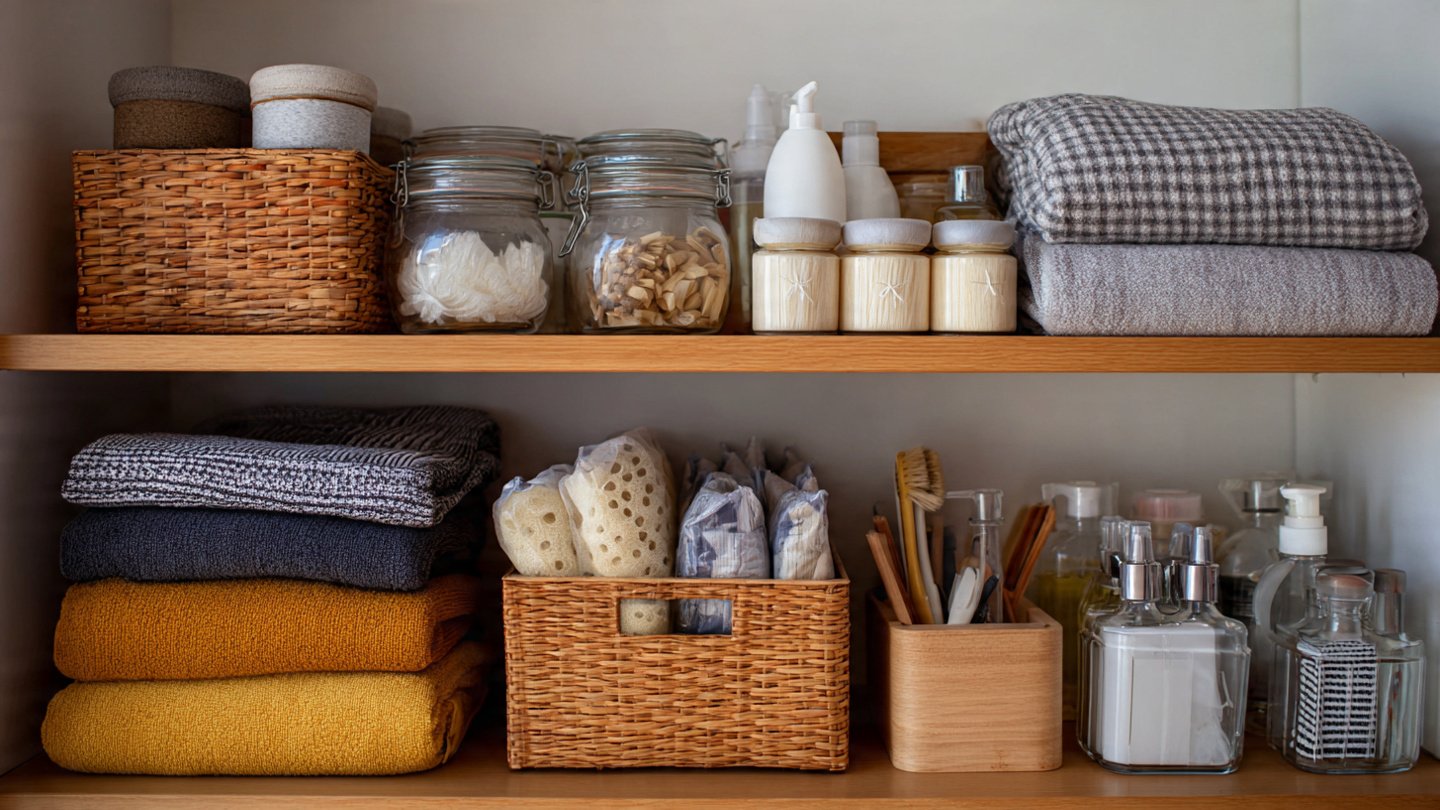
Walking into a home that feels effortlessly tidy and organized often evokes a sense of calm and satisfaction. But behind the seamless order, there are usually unspoken rules and habits that organized people follow without consciously thinking about them. Tidy homes are not just about aesthetics — they reflect a mindset, a system, and consistent practices that prevent clutter from taking over. In this article, we uncover the unspoken guidelines that every organized person knows, offering insights that can transform your home and daily routines.
1. Everything Has Its Place
One of the most fundamental principles of organized living is that every item has a designated home. This simple rule prevents clutter from accumulating because objects are returned to their place immediately after use.
- Keys, wallets, and phones often have a specific bowl or hook near the entrance.
- Kitchen utensils are stored in drawers or containers according to frequency of use.
- Office supplies have drawers, trays, or organizers to keep desks clear.
By consistently returning items to their rightful place, tidy homes maintain order without relying on frequent deep cleaning.
2. The “One In, One Out” Rule
Organized people instinctively manage the inflow of belongings. For every new item brought into the home, an old one is removed. This principle applies to:
- Clothing: Adding a new shirt means donating or storing a shirt that is rarely worn.
- Books and magazines: One new purchase triggers the recycling or gifting of an old one.
- Decor and household items: New decorative pieces replace older items to prevent excess accumulation.
The “one in, one out” rule keeps homes lean and ensures that possessions serve a purpose rather than gather dust.
3. Minimal Surfaces, Maximum Functionality
Tidy homes often feature clear surfaces. Counters, tables, and shelves remain uncluttered because organized individuals are intentional about what occupies these spaces.
- Countertops are reserved for essential appliances or decorative accents.
- Tables are used primarily for meals or work, not storage overflow.
- Shelves showcase curated items rather than every possession.
By limiting surface clutter, homes feel more spacious, calm, and visually appealing, even if the space itself is modest.
4. Daily Maintenance Over Sporadic Cleaning
A key guideline that separates tidy homes from cluttered ones is consistency. Organized people rarely rely on major cleaning days alone. Instead, they practice small daily maintenance habits, such as:
- Making the bed every morning.
- Wiping kitchen counters after each use.
- Returning laundry to closets after folding.
- Sorting mail immediately rather than letting it pile up.
These small acts prevent clutter from snowballing and reduce the need for time-consuming deep cleaning sessions.
5. Decluttering is a Continuous Process
Tidiness is not achieved by a single decluttering session — it is ongoing. Organized individuals regularly assess their belongings and remove items that no longer serve a purpose.
- Closets and wardrobes are reviewed seasonally.
- Kitchen cabinets are purged of expired ingredients.
- Storage areas are scanned for forgotten or broken items.
This continuous approach prevents hidden clutter from accumulating and ensures that every object has value or purpose.
6. The Power of Zones
Every tidy home relies on zones for specific activities. This strategy organizes both space and behavior:
- Entryway: A drop zone for shoes, coats, and keys.
- Kitchen: Cooking, prepping, and cleaning zones to streamline workflow.
- Living room: Relaxation and entertainment areas with minimal distractions.
- Workspaces: Clearly defined desks or home office areas with organized tools.
By defining zones, organized people reduce chaos and make tidying intuitive. Each item naturally belongs to a specific zone, simplifying both storage and use.
7. Out of Sight, Not Out of Mind
One unspoken guideline of tidy homes is that storage should be functional, not merely hidden. Organized individuals use practical solutions to keep items accessible yet discreet:
- Drawers with dividers for utensils or office supplies.
- Baskets or bins for toys, linens, or miscellaneous items.
- Closets with labeled shelves or containers.
This principle ensures that clutter does not dominate visible spaces while keeping essentials easy to find.
8. Habitual Mindfulness
Organized people practice mindful living, considering the impact of their choices on their home environment. This mindfulness extends to:
- Purchases: Buying only what is needed or will be used regularly.
- Usage: Completing tasks immediately, such as washing dishes or returning tools.
- Tidiness: Not allowing items to linger out of place.
Mindfulness fosters a proactive approach to tidiness rather than reactive cleaning after messes appear.
9. Functional Storage Beats Excess Furniture
Instead of crowding a space with storage furniture, organized homes rely on strategic, multi-purpose solutions:
- Ottomans with hidden storage keep blankets or toys out of sight.
- Floating shelves maximize vertical space while keeping the floor clear.
- Under-bed storage utilizes otherwise wasted space.
By choosing function over volume, organized people maintain clean lines and avoid visually overwhelming interiors.
10. Seasonal and Rotational Practices
A tidy home adapts to changing seasons and routines. This includes:
- Rotating wardrobes: Switching seasonal clothes and storing off-season items neatly.
- Decor adjustments: Simplifying or updating decorations to maintain freshness.
- Garden and outdoor organization: Seasonal tools and accessories are stored appropriately, preventing clutter outdoors from spilling inside.
These rotational practices prevent accumulation of items that are not currently needed or in use.
11. Digital Organization Matters
The modern home extends beyond physical spaces. Organized people recognize that digital clutter affects their perception of order:
- Decluttering emails, files, and photos.
- Managing apps and notifications to reduce cognitive load.
- Using digital reminders for cleaning, maintenance, and errands.
A tidy mind complements a tidy home. Digital organization allows physical organization to be more effective and sustainable.
12. Cleaning As You Go
One of the most unspoken but powerful habits is cleaning as you go. This includes:
- Washing dishes immediately after cooking.
- Wiping spills and crumbs as they happen.
- Folding laundry as soon as it’s dry.
- Putting away groceries immediately after shopping.
This proactive approach prevents messes from piling up and reduces the feeling of overwhelm that often comes with large cleaning tasks.
13. Simplicity Over Excess
Finally, tidy homes embrace simplicity and intentionality. Every item has a purpose, and unnecessary possessions are minimized. Organized people often follow a personal philosophy of “less is more,” prioritizing:
- Fewer, high-quality items over many low-quality ones.
- Functional decor that also serves storage or practical needs.
- Streamlined routines that prevent clutter rather than constantly reacting to it.
This approach creates not just a clean home, but an environment that feels calm, spacious, and enjoyable to live in.
Implementing the Unspoken Guidelines in Your Home
Adopting these unspoken rules does not require a complete lifestyle overhaul. Start with small, consistent changes:
- Designate a home for your most-used items like keys and wallets.
- Schedule 10–15 minutes daily to clear surfaces and return items to their places.
- Declutter one zone at a time, such as a drawer, shelf, or closet.
- Incorporate functional storage solutions that match your lifestyle and space.
- Practice mindful purchases to prevent unnecessary inflow of items.
Over time, these small habits compound into a home that feels effortlessly organized.
Conclusion
The tidy homes you admire are rarely the result of luck; they are the outcome of consistent habits, unspoken rules, and mindful living. From returning items to their designated places to embracing simplicity, organized people follow guidelines that prevent clutter before it begins. By incorporating these principles into your own life, you can create a home that is functional, visually appealing, and stress-free.
A tidy home is more than just neat shelves and sparkling floors — it reflects a lifestyle of intentionality, mindfulness, and consistent care. Understanding and applying these unspoken guidelines transforms a house into a space of calm, efficiency, and lasting comfort.