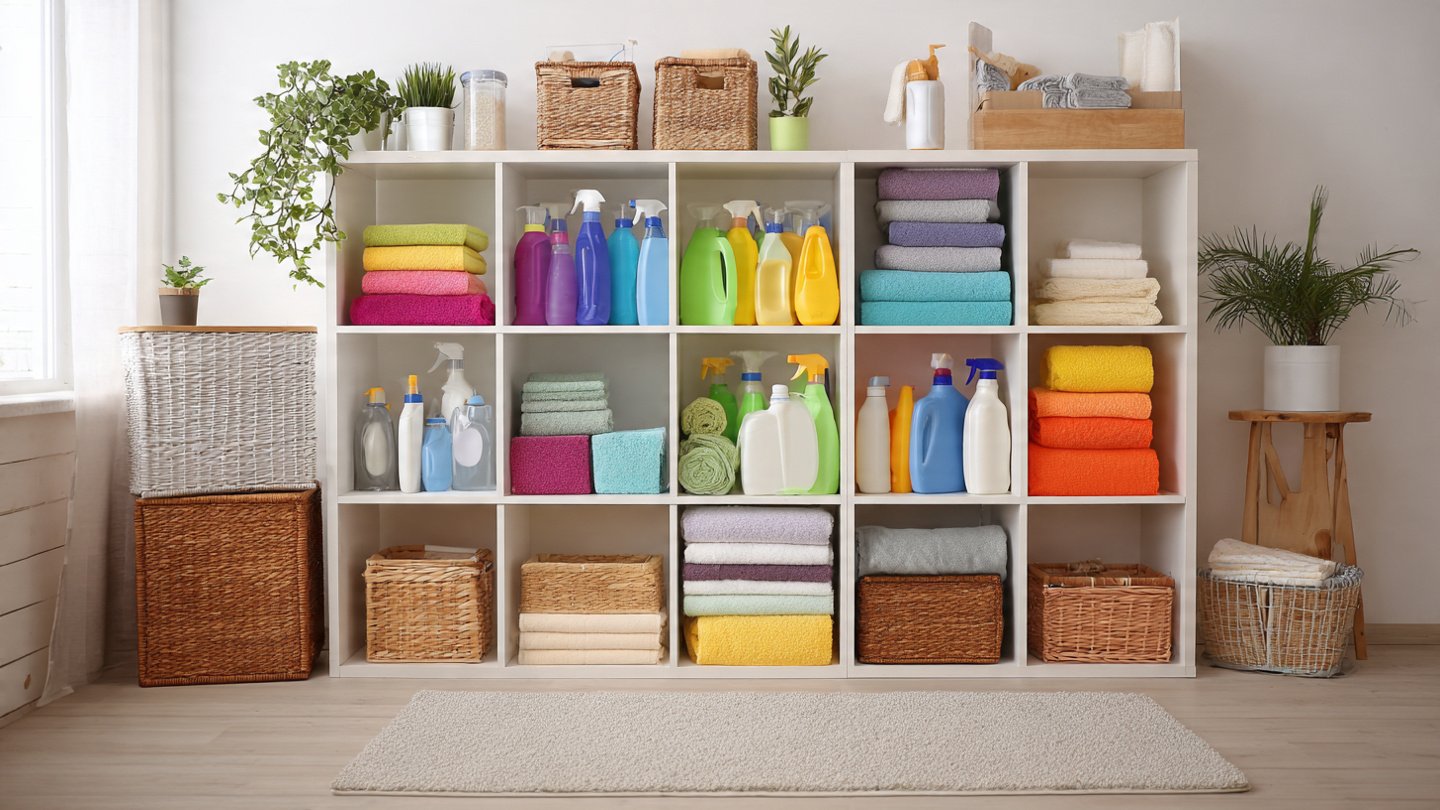
Keeping a home tidy and organized often seems like a simple matter of picking up after yourself or following a cleaning schedule. Yet, behind every well-kept home lie deeper, often unseen principles that guide behavior, decision-making, and habit formation. Understanding these principles can transform housekeeping from a tedious routine into a manageable, almost automatic part of your life. In this article, we explore the underlying strategies and philosophies that make homes feel orderly, calm, and welcoming.
1. The Principle of Minimalism
One of the foundational principles of a tidy home is minimalism—the idea that less truly is more. Clutter is not just physical; it affects mental clarity, energy levels, and even decision-making.
- Decluttering intentionally: Evaluate every item in your home. Ask whether it serves a purpose, brings joy, or contributes to your daily life. If the answer is no, it may be time to let it go.
- Prioritizing quality over quantity: Choosing fewer, high-quality items reduces clutter and the maintenance burden. Fewer possessions also mean less cleaning, organizing, and mental load.
- Avoiding impulse buying: Minimalism isn’t just about removal; it’s about prevention. Each new item should be carefully considered before entering your home.
By embracing minimalism, you naturally create space for what matters, making the act of tidying more manageable.
2. The Principle of Designated Spaces
A core principle behind an organized home is that every item should have a designated place. When things belong somewhere, it is easier to maintain order.
- Storage solutions: Use baskets, bins, and shelves to assign specific places for items. For example, keys belong in a key bowl, remote controls in a basket, and shoes in a designated rack.
- Labeling: Labels make it easier for everyone in the household to return items to their correct spots, reducing clutter over time.
- Consistency: Keeping items in the same spot consistently trains the mind to expect order and promotes habitual tidying.
Designated spaces minimize the mental effort required to clean up because putting things away becomes automatic rather than a choice.
3. The Principle of Daily Habits
Tidiness is less about occasional deep cleaning and more about consistent daily habits. Small, repeated actions prevent messes from piling up.
- Five-minute tidy-ups: Spend just five minutes in the morning or evening putting things back in place. Over time, this prevents chaos from accumulating.
- Immediate action: Wash dishes right after eating, fold laundry as soon as it’s dry, and put away items immediately after use.
- Routine reinforcement: Habits become automatic with consistency, reducing the stress and decision-making involved in tidying.
The unseen principle here is behavioral momentum: small, habitual actions create long-term results with minimal effort.
4. The Principle of Categorization
An organized home often reflects an underlying system of categorization. Grouping similar items together makes them easier to store, locate, and maintain.
- By function: Kitchen utensils, office supplies, or bathroom products should be grouped according to use. This allows quick access and prevents items from being misplaced.
- By frequency of use: Store daily-use items within easy reach, while seasonal or rarely used items can go into higher cabinets or storage areas.
- By size or shape: Grouping items with similar dimensions can optimize space in cabinets and drawers.
Categorization reduces visual clutter, creates a sense of order, and helps the mind quickly understand where things belong.
5. The Principle of Mindful Consumption
Keeping a home tidy begins before items even enter your space. Mindful consumption—the practice of deliberate and thoughtful acquisition—prevents clutter before it starts.
- Evaluate need versus desire: Ask if an item is essential or simply wanted for a moment. Items purchased without consideration often contribute to clutter.
- Consider maintenance: Each item requires cleaning, organizing, or storage. The more you own, the more upkeep is required.
- Digital purchases count too: Even digital clutter—files, photos, and apps—can affect mental clarity. Regularly declutter digital spaces as well.
By curbing unnecessary consumption, you prevent future chaos and create a foundation for sustained tidiness.
6. The Principle of Visual Simplicity
Humans are highly responsive to visual stimuli. A home that looks orderly often feels calmer and cleaner, even if minor clutter exists.
- Reduce visual noise: Keep surfaces like countertops, tables, and shelves minimal. Avoid overcrowding with decorations or items that are rarely used.
- Open space perception: Clear pathways and open areas give the impression of a larger, cleaner space.
- Use neutral and cohesive colors: Coordinated colors and simple patterns create visual harmony, making rooms appear more organized.
Visual simplicity works psychologically to reduce stress and promote the feeling of a tidy environment.
7. The Principle of Maintenance over Perfection
Tidy homes are rarely perfect; they are maintained. This principle recognizes that striving for perfection often leads to procrastination and frustration.
- Regular touch-ups: Small daily maintenance tasks prevent large cleaning marathons.
- Accept imperfection: Understanding that your home will never be flawless allows you to focus on consistency rather than unattainable perfection.
- Preventive care: Fixing minor issues, like leaky faucets or misaligned shelves, prevents bigger messes later.
Maintenance-focused tidiness emphasizes sustainability over short-lived brilliance.
8. The Principle of Flexibility
Homes are dynamic, not static. Kids grow, schedules change, and furniture is rearranged. A principle behind lasting organization is adaptability.
- Adjust storage as needed: Modular storage systems or movable furniture allow your home to adapt to changing needs.
- Reevaluate periodically: Seasonal reviews help remove unused items and update systems to match current routines.
- Personalize organization: What works for one household may not work for another. Adapt principles to fit your lifestyle.
Flexibility ensures that tidiness remains achievable, even as circumstances evolve.
9. The Principle of Mindset
The unseen backbone of organization is mindset. Tidiness is as much about mental habits as physical actions.
- View tidying as self-care: Approaching cleaning as a way to improve your environment and mental wellbeing can motivate consistent effort.
- Focus on outcomes, not chores: Think about the peace, ease, and comfort a tidy home provides, rather than the work involved.
- Celebrate progress: Recognize small wins, like a clean countertop or an organized drawer, to reinforce positive behavior.
A mindful and positive mindset transforms housework from obligation to opportunity.
10. The Principle of Delegation and Collaboration
Finally, keeping a home organized is easier when responsibilities are shared. The principle of delegation recognizes that a tidy home is a team effort in multi-person households.
- Share tasks: Assign specific chores to family members based on strengths and preferences.
- Collaborate on systems: Include everyone in creating storage systems and rules. This encourages accountability and reduces resistance.
- Teach habits early: Involving children in organization teaches lifelong skills and reduces future burdens.
Delegation ensures that tidiness is sustainable, without overwhelming a single person.
Conclusion
Tidy, organized homes are more than the result of cleaning products or a strict schedule—they reflect deeper, often unseen principles. Minimalism, designated spaces, daily habits, categorization, mindful consumption, visual simplicity, maintenance, flexibility, mindset, and collaboration all work together to create an environment that is manageable, welcoming, and serene.
Understanding and applying these principles allows housekeeping to move from a tedious task to an integrated part of life. Rather than fighting clutter, you design your home and habits to prevent it naturally. By embracing these unseen strategies, anyone can cultivate a home that is not only physically clean but also mentally refreshing—a place where order supports peace, productivity, and joy.