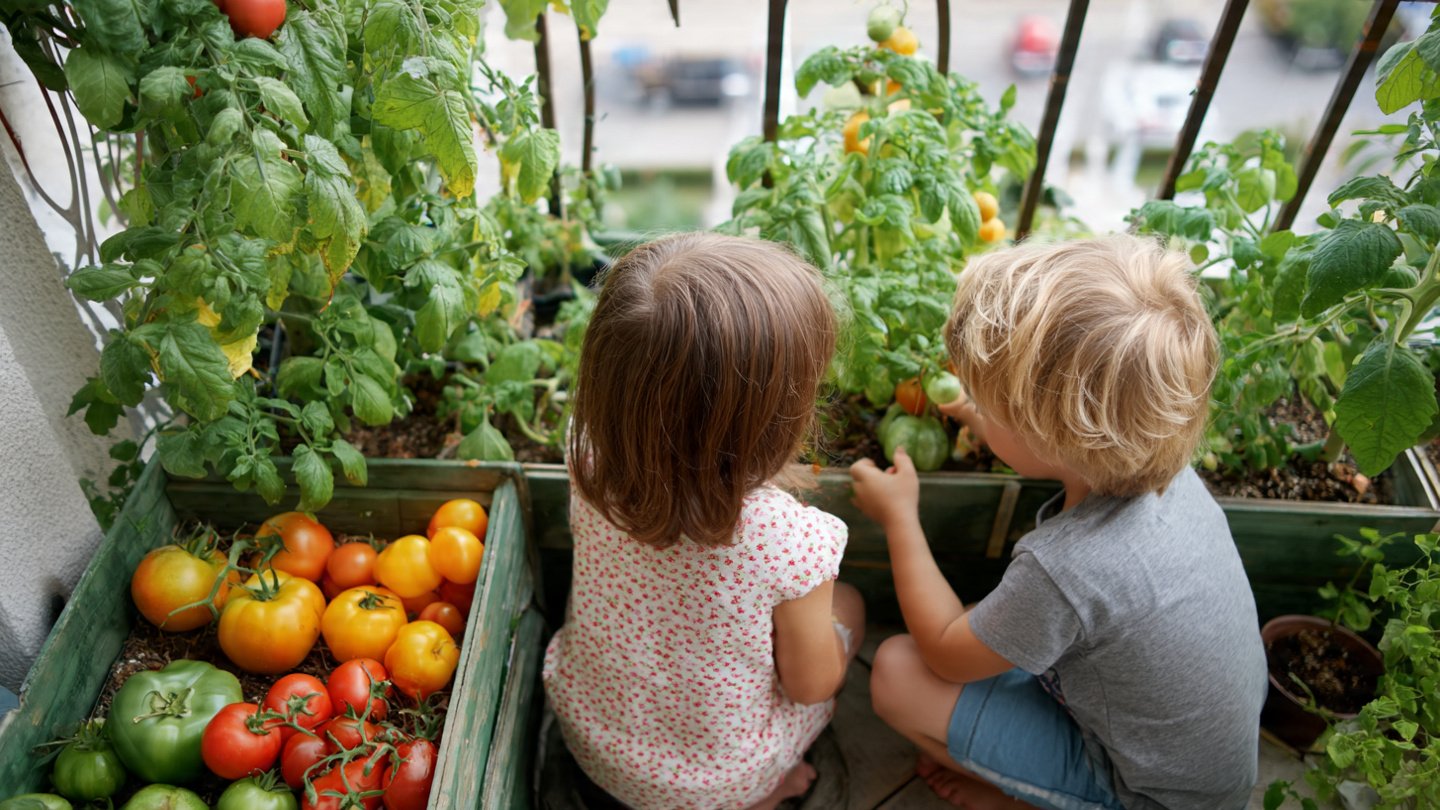
Urban living doesn’t mean you can’t enjoy the joys of gardening. Even small balconies can transform into vibrant spaces for growing fresh food, providing families with nutritious produce, educational experiences, and bonding opportunities. A balcony garden isn’t just about food—it’s about connecting with nature, teaching children where their meals come from, and fostering healthy habits.
If your family is ready to dive into balcony gardening, here’s a detailed guide filled with tips and strategies for balcony garden success, tailored for families who want to grow fresh food together.
Why a Balcony Garden Works for Families
Balcony gardens are perfect for families because they:
- Encourage hands-on learning: Kids can observe plant life cycles, soil science, and pollination.
- Promote healthy eating: Freshly harvested vegetables, fruits, and herbs inspire kids to eat more greens.
- Foster teamwork: Planting, watering, and harvesting together builds responsibility and cooperation.
- Utilize small spaces: Even apartments with limited outdoor areas can enjoy a thriving garden.
Beyond producing food, balcony gardens teach patience, observation, and an appreciation for the environment.
Step 1: Plan Your Balcony Garden Together
Planning is the foundation of a successful family garden. Include the entire family in the process:
- Assess the balcony space: Note sunlight exposure, wind, and weight limits for pots and planters.
- Choose your plants collectively: Let children select a few favorite vegetables or herbs, such as cherry tomatoes, radishes, basil, or strawberries.
- Determine container types: Decide on pots, hanging baskets, rail planters, or vertical setups.
- Create a layout: Assign zones for each family member to care for, or arrange plants by growth type and sun needs.
By involving everyone in planning, children feel a sense of ownership and pride in the garden.
Step 2: Pick the Right Vegetables and Herbs
Some vegetables thrive better in containers and balcony setups. For family-friendly options, consider:
- Leafy greens: Lettuce, spinach, kale, and Swiss chard are fast-growing and easy for children to harvest.
- Fruiting vegetables: Cherry tomatoes, peppers, small cucumbers, and dwarf eggplants. These plants are exciting for kids because they can see the fruit develop.
- Herbs: Basil, mint, parsley, and chives grow well in small containers and are fun to touch, smell, and taste.
- Root vegetables: Radishes, baby carrots, and beets are perfect for hands-on digging activities with children.
Choose vegetables that are easy to manage, quick to harvest, and colorful to make the garden visually engaging.
Step 3: Select Family-Friendly Containers
Choosing the right containers ensures plants thrive and children can participate safely:
- Plastic or resin pots: Lightweight and easy for kids to handle.
- Hanging baskets: Maximize vertical space and create visual interest.
- Rail planters: Perfect for leafy greens and herbs; keeps pots secure and accessible.
- Fabric grow bags: Flexible, lightweight, and ideal for root vegetables.
Make sure all containers have good drainage holes to prevent waterlogging. Involve children in filling pots with soil and planting seeds to make gardening interactive.
Step 4: Prepare Soil and Fertilize Properly
Healthy soil is critical for balcony garden success:
- Use quality potting soil designed for container gardening. Avoid heavy garden soil, which can compact.
- Mix in organic compost for nutrients.
- Use slow-release fertilizers to provide continuous nourishment.
- For quick growth, supplement with liquid fertilizers once every 2–3 weeks.
Children can learn about soil layers, composting, and the importance of nutrients while helping prepare the planting mix.
Step 5: Watering Tips for Families
Watering is a key part of balcony gardening and can be a fun, daily family ritual:
- Water deeply but evenly to keep roots hydrated.
- Check soil moisture before watering; avoid overwatering, which can rot roots.
- Use watering cans or small spray bottles for children to water smaller pots safely.
- Consider self-watering pots or reservoirs to reduce daily maintenance.
By turning watering into a routine, children develop responsibility and observe how water supports plant growth.
Step 6: Use Vertical and Hanging Gardening Techniques
Vertical gardening and hanging setups maximize balcony space:
- Wall planters or pocket gardens: Great for herbs and leafy greens.
- Hanging baskets: Ideal for trailing vegetables like cherry tomatoes or strawberries.
- Tiered planters: Stack pots for compact growth and easy access.
- Rail planters: Attach containers to railings for safety and sunlight exposure.
Vertical setups not only save space but also make plants accessible at different heights for children of all ages.
Step 7: Teach Kids About Plant Care
Gardening with children is educational. Use these tips to make learning fun:
- Explain plant life cycles using seeds, sprouts, and mature vegetables.
- Teach companion planting to improve yields naturally (e.g., basil with tomatoes).
- Introduce natural pest control, such as using neem oil or attracting ladybugs.
- Encourage daily observation, noting changes in leaves, flowers, or fruit.
Hands-on involvement fosters curiosity, responsibility, and a sense of achievement in children.
Step 8: Pest and Disease Management
Balcony gardens can face pests and diseases even in small spaces:
- Check plants regularly for aphids, spider mites, or fungal spots.
- Use natural solutions, such as soapy water sprays or neem oil.
- Remove diseased leaves promptly to prevent spread.
- Encourage beneficial insects like ladybugs or lacewings.
Children can participate safely in pest control, learning about the balance of nature while protecting their plants.
Step 9: Harvesting Together
Harvesting is the most rewarding part of family gardening:
- Leafy greens: Pick outer leaves first for continuous growth.
- Herbs: Harvest before flowering for maximum flavor.
- Fruiting vegetables: Harvest ripe fruits gently, showing kids how to handle plants carefully.
- Root vegetables: Dig carefully to avoid damaging other plants.
Let children help in the kitchen by washing and preparing their harvested vegetables. This encourages healthy eating habits and pride in their work.
Step 10: Make Gardening Fun and Decorative
Balcony gardening can also be visually stunning:
- Use colorful pots for each child’s plants.
- Decorate with garden markers or DIY signs to identify vegetables.
- Hang small garden lights or lanterns to brighten the balcony.
- Use trellises or string supports for climbing vegetables, adding vertical interest.
A fun, colorful balcony keeps children engaged and turns gardening into a creative activity.
Step 11: Seasonal Considerations
Rotate crops seasonally to maintain productivity:
- Spring/Summer: Cherry tomatoes, peppers, basil, spinach.
- Autumn/Winter: Kale, spinach, parsley, radishes.
- Use shade cloths or covers to protect delicate plants from extreme heat or cold.
Teaching children about seasons helps them understand plant growth cycles and the importance of timing.
Step 12: Make It a Family Tradition
Turn balcony gardening into a long-term family activity:
- Daily routines: Watering, checking plants, and light pruning.
- Weekly tasks: Fertilizing, harvesting, and cleaning pots.
- Seasonal projects: Starting seeds indoors, planting new vegetables, and rotating crops.
- Celebrate milestones with family meals featuring the vegetables grown together.
Consistent engagement strengthens family bonds and creates lifelong memories centered around gardening and food.
Benefits Beyond Fresh Food
Balcony gardens provide more than just produce:
- Education: Children learn biology, ecology, and responsibility.
- Exercise: Gardening is a physical activity that gets kids moving.
- Mental well-being: Working with plants reduces stress and promotes mindfulness.
- Sustainability: Growing food locally reduces your carbon footprint.
A successful balcony garden becomes a holistic experience, teaching children valuable life skills while producing fresh, healthy food.
Final Thoughts
Growing a family balcony garden is a rewarding and educational experience. With careful planning, the right plants, and creative use of vertical and hanging spaces, even small urban balconies can yield fresh vegetables and herbs.
Key takeaways for success include:
- Involve the entire family in planning, planting, and harvesting.
- Choose compact, container-friendly vegetables suitable for your space.
- Maximize vertical space with hanging baskets, rail planters, and wall-mounted setups.
- Teach plant care and observation to children in a fun and engaging way.
- Create a colorful, decorative, and interactive space that encourages participation.
By turning gardening into a collaborative family activity, you not only grow nutritious food but also nurture responsibility, creativity, and teamwork in your children. With patience, consistency, and a touch of creativity, your balcony can become a thriving garden where families grow fresh food together, enjoy the outdoors, and make lasting memories. 🌿🍅🥬