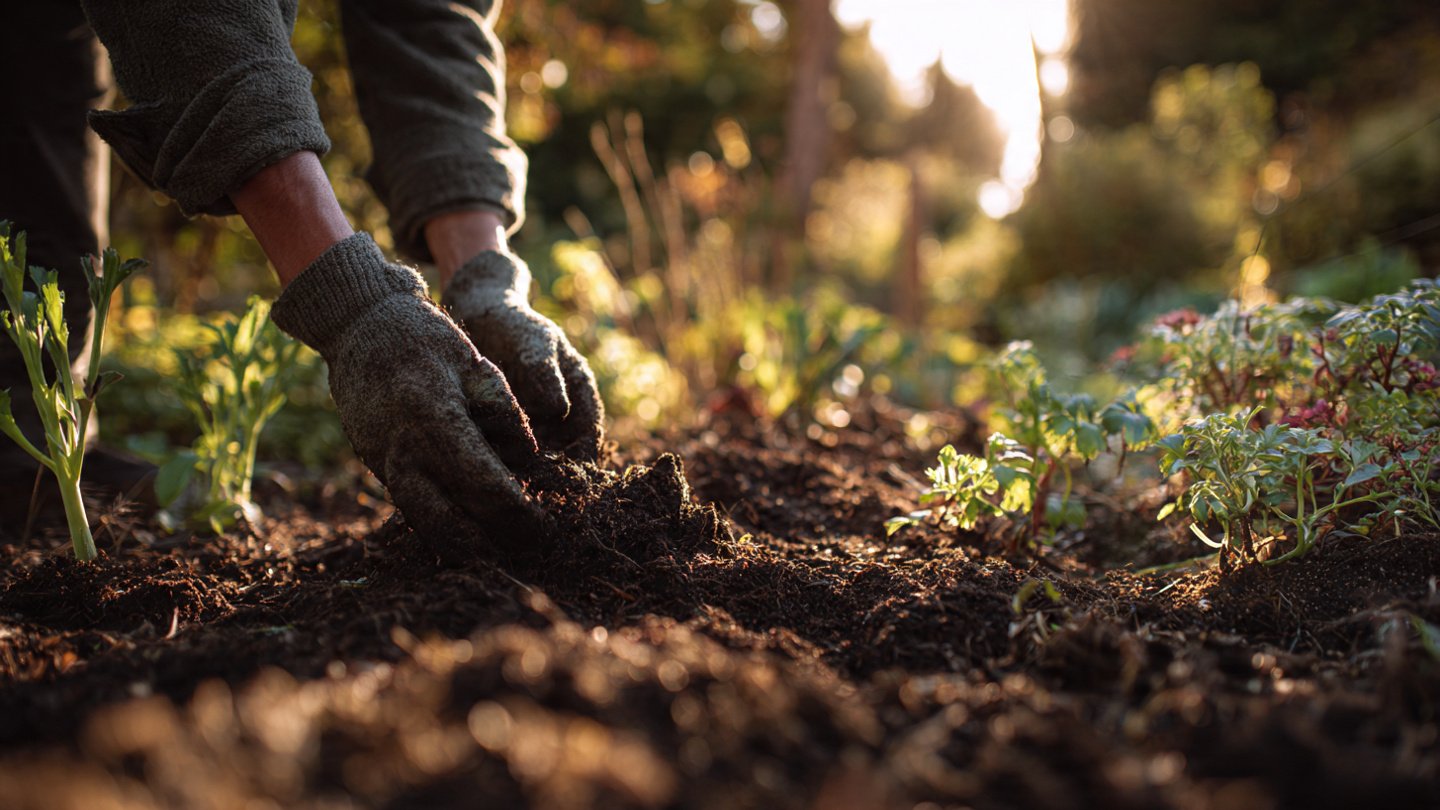
A thriving garden starts with healthy soil, the foundation upon which plants grow, bloom, and bear fruit. While fertilizers, compost, and irrigation are often emphasized, one simple and natural factor is frequently overlooked: morning sunlight. Establishing a morning sunlight routine for your garden can profoundly enhance soil health, promoting robust plant growth, reducing pests and diseases, and creating a vibrant ecosystem. In this article, we explore how morning sunlight benefits soil, how to optimize exposure, and practical steps to integrate this routine into your gardening practices.
Understanding Soil Health
Before diving into sunlight routines, it’s important to understand what makes soil healthy. Healthy soil is more than just dirt — it’s a living ecosystem composed of minerals, organic matter, water, air, and countless microorganisms such as bacteria, fungi, and earthworms. Together, these elements provide:
- Nutrients for plants like nitrogen, phosphorus, and potassium.
- Good structure that allows roots to grow deeply.
- Water retention and drainage to prevent waterlogging or drought stress.
- Biological activity that naturally breaks down organic matter into nutrients.
When soil is compacted, nutrient-deficient, or biologically inactive, plants struggle to grow, become more susceptible to pests and disease, and fail to produce abundant harvests.
The Role of Morning Sunlight in Soil Health
Morning sunlight plays a unique role in soil biology and chemistry, which is often underestimated. Unlike intense afternoon sun, which can dry soil and stress plants, gentle morning rays offer several benefits:
1. Stimulates Soil Microorganisms
Soil is teeming with beneficial microbes, including bacteria and fungi, that break down organic matter, fix nitrogen, and support plant growth. Morning sunlight helps:
- Regulate temperature: Gentle sunlight warms the soil gradually, activating microbial activity without overheating it.
- Promote microbial diversity: Certain beneficial fungi and bacteria thrive in slightly warmer, sunlit conditions.
When soil microorganisms are active, nutrients become more available to plants, supporting healthier growth and stronger immunity.
2. Reduces Excess Moisture and Fungal Growth
Morning sunlight naturally dries dew and light moisture accumulated overnight. This is crucial because:
- Excess moisture fosters harmful fungi, mold, and mildew.
- Reducing prolonged wetness on soil surfaces prevents root rot and other fungal diseases.
- Plants and soil benefit from a balance of moisture and air circulation, which morning sunlight helps maintain.
3. Enhances Soil Aeration
Sunlight indirectly encourages better aeration in soil. As the top layer warms, tiny expansions and contractions help loosen the soil naturally. Coupled with morning watering or light cultivation, this process improves:
- Oxygen availability for roots and microbes.
- Water infiltration and drainage.
- Root penetration and overall plant resilience.
4. Encourages Natural Nutrient Cycles
Sunlight contributes to the photosynthetic processes of plants, which in turn impact soil health. Morning sunlight:
- Initiates early photosynthesis, fueling plant growth and root exudates.
- Root exudates feed soil microbes, creating a symbiotic cycle that enriches nutrient availability.
- Helps maintain a balanced soil pH by supporting healthy plant metabolism and microbial interactions.
Best Practices for a Morning Sunlight Routine
Integrating morning sunlight into your garden routine doesn’t require special equipment or complex planning. Simple adjustments can make a significant difference:
1. Timing and Duration
- Aim to expose your garden to sunlight between 6 AM and 10 AM.
- Light to moderate sunlight for 1–3 hours is sufficient for most soil and plants.
- Avoid heavy exposure during peak midday sun to prevent soil drying and plant stress.
2. Garden Layout Optimization
- Position beds and planters to face east, ensuring they receive morning light.
- Avoid excessive shading from buildings or tall trees in the morning.
- For container gardens, rotate pots occasionally to maximize even sun exposure.
3. Soil Preparation for Sun Exposure
- Ensure the soil is loose and aerated before sunlight exposure to allow warmth to penetrate effectively.
- Mulch lightly to retain moisture without blocking the sun completely; organic mulch also feeds soil microbes as it decomposes.
- Incorporate compost regularly to maintain nutrient-rich soil that responds well to sunlight stimulation.
4. Combine Morning Sunlight with Watering
- Morning sunlight is most beneficial when paired with early watering.
- Watering in the morning allows roots to absorb moisture before the sun intensifies, reducing evaporation loss.
- Wet soil exposed to sunlight helps microbes activate and accelerates nutrient cycling.
5. Encourage Soil-Dwelling Life
- Add earthworms, beneficial insects, and microbial inoculants to boost the biological activity of the soil.
- Morning sunlight supports these organisms without causing stress, helping the ecosystem thrive.
Plants That Thrive in Morning Sunlight
While soil benefits directly from sunlight, certain plants particularly respond well to early rays, creating a natural synergy:
- Leafy greens like lettuce, spinach, and kale enjoy morning sun but can wilt under hot afternoon light.
- Herbs such as basil, mint, and parsley develop strong flavors and essential oils with gentle morning sun.
- Fruit-bearing plants like tomatoes and peppers benefit from early photosynthesis, leading to better fruit development.
- Flowering plants such as marigolds, pansies, and petunias bloom vibrantly under morning light without overheating.
The Science Behind Morning Sunlight and Soil Health
Recent studies in soil ecology highlight how sunlight regulates microbial populations and nutrient cycles. For example:
- Temperature regulation: Morning light gently warms soil, which is ideal for beneficial bacteria like Bacillus species that aid nutrient availability.
- UV effects: Moderate UV exposure in the morning helps reduce harmful pathogens without killing beneficial organisms.
- Plant-microbe interaction: Early sunlight stimulates root growth and exudates, enhancing microbial activity and soil fertility naturally.
In essence, morning sunlight acts as a natural “soil health booster,” creating conditions that mimic the optimal balance of warmth, moisture, and microbial activity.
Additional Benefits of a Morning Sunlight Routine
Beyond soil health, integrating morning sunlight into your gardening practice offers:
- Improved plant resilience: Healthy soil supports stronger roots and plant immunity.
- Reduced chemical dependency: Nutrient-rich, microbially active soil reduces the need for synthetic fertilizers.
- Pest control: Balanced soil ecosystems naturally repel certain pests.
- Enhanced aesthetics: Morning sunlight highlights the beauty of your garden, creating vibrant colors and healthy foliage.
Practical Tips for Urban and Small Gardens
Even gardeners with limited space can reap the benefits of morning sunlight:
- Use vertical gardening: Hanging planters or wall-mounted gardens can catch morning rays even in shaded yards.
- Reflective surfaces: Place light-colored walls or stones near garden beds to bounce sunlight onto soil.
- Container rotation: Move potted plants to morning sun zones to ensure consistent exposure.
- Window gardens: For indoor gardens, position containers near east-facing windows for natural early sunlight.
Conclusion
The health of your garden begins beneath the surface. While fertilizers, irrigation, and soil amendments are essential, morning sunlight routines offer a natural and effective way to boost soil health. Gentle early rays stimulate beneficial microbes, reduce disease risk, improve nutrient cycling, and encourage vibrant plant growth.
By understanding the science behind sunlight and soil interaction, gardeners can strategically position their plants, optimize exposure, and establish a routine that fosters a thriving ecosystem. Whether you have a sprawling backyard, a balcony garden, or indoor containers, incorporating morning sunlight into your daily practice is a simple yet powerful step toward sustainable, productive, and beautiful gardens.
A few hours of morning sunlight each day may seem modest, but over time, it transforms soil from dormant and lifeless into a rich, thriving foundation for your plants. Start your morning garden ritual today — for healthier soil, stronger plants, and a more vibrant outdoor space.