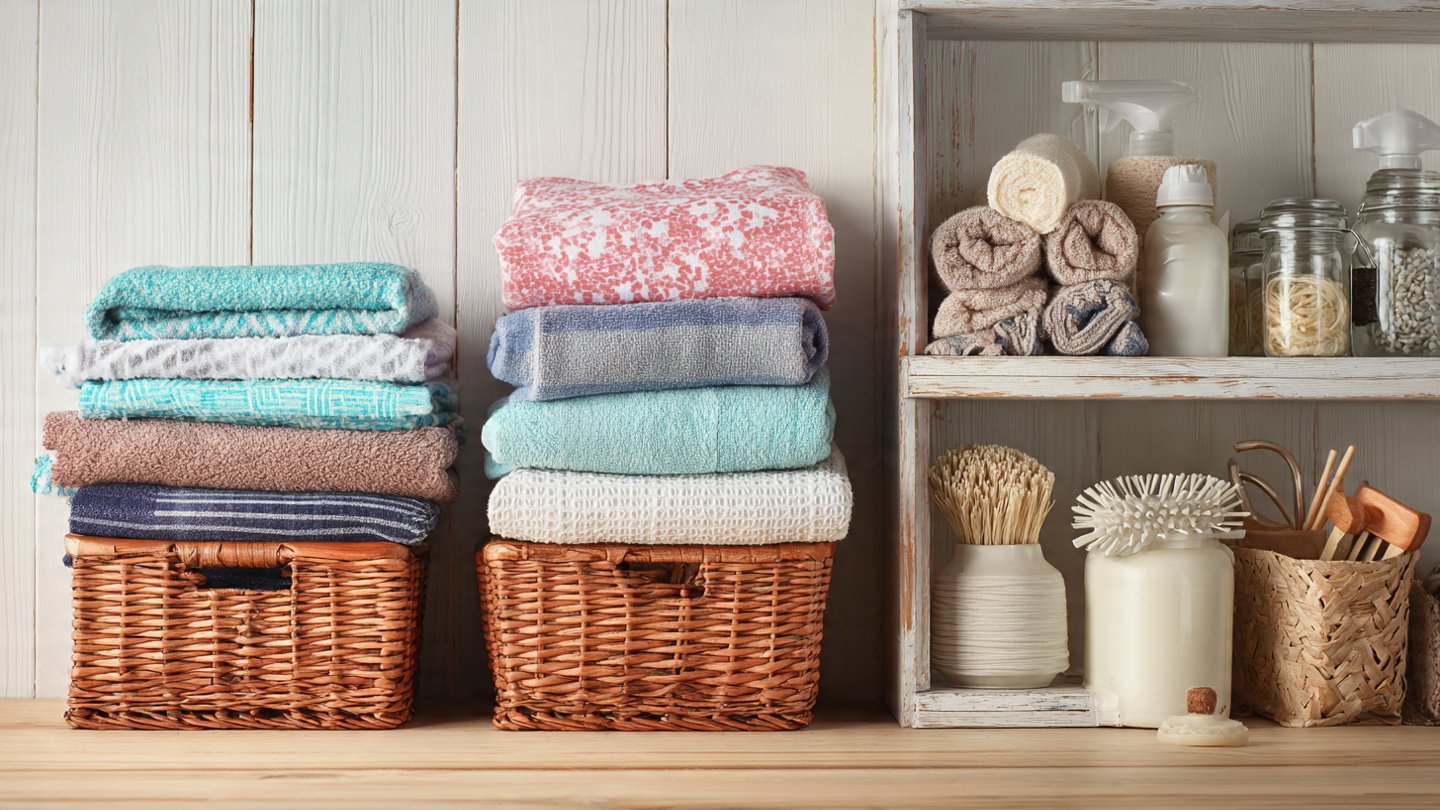
Keeping a home organized can feel like an ongoing battle. No matter how much effort you put in, clutter seems to creep back in, and tasks pile up faster than you can tackle them. The truth is, home organization isn’t just about tidiness—it’s about creating a space that brings peace, efficiency, and joy to your daily life. Fortunately, with the right strategies and habits, you can take control and maintain a harmonious home. Here’s a practical guide to help you tackle the daily challenge of keeping your home organized.
1. Start with a Clear Vision
Before you can maintain organization, it’s crucial to define what an organized home looks like for you. Everyone has different priorities and lifestyles, so organization should reflect your personal needs.
Ask yourself:
- What areas of my home feel most chaotic?
- Which tasks or routines cause me stress?
- How do I want my home to feel when I walk in the door?
Having a clear vision helps you make focused decisions about what to keep, what to discard, and how to arrange your belongings. Write down your goals—this might be “a clutter-free kitchen counter,” “a calm and tidy living room,” or “an easy-to-maintain closet system.” Once you know your vision, you can start building habits that support it.
2. Declutter First, Then Organize
One of the biggest mistakes people make is trying to organize before decluttering. When your home is filled with items you don’t need, even the best storage solutions will fail.
Steps to Declutter Effectively:
- Start small: Tackle one area at a time, such as a drawer, a closet, or a corner of the room.
- Sort items into categories: Keep, donate, recycle, or discard. Be honest with yourself—if you haven’t used it in the past year, it may be time to let it go.
- Use the “one-in, one-out” rule: For every new item you bring in, remove one old item. This helps prevent clutter from returning.
Once decluttering is done, organizing becomes much easier, and maintaining order feels less overwhelming.
3. Create Daily Routines
Organization isn’t a one-time task—it’s a daily practice. Establishing simple routines can make a huge difference in keeping your home tidy.
Daily Habits to Maintain Organization:
- Morning Reset: Spend 10-15 minutes each morning tidying up common areas. Make your bed, put away clothes, and clear any surfaces.
- Evening Reset: Before bed, spend a few minutes returning items to their proper places. A nightly reset prevents mess from piling up.
- Kitchen Maintenance: Wash dishes immediately after meals or load the dishwasher right away. Wipe down counters and sweep the floor daily to keep the kitchen functional and welcoming.
Consistency is key. These small, daily actions accumulate and prevent clutter from becoming overwhelming.
4. Assign a Place for Everything
One of the golden rules of organization is ensuring that every item has a designated place. When everything has a home, it’s easier to find what you need and put things away promptly.
Tips for Assigning Places:
- Use storage containers and baskets: Small items like toys, office supplies, and toiletries can be grouped together neatly.
- Label containers: Labels remind everyone in the household where things belong.
- Keep frequently used items accessible: Items you use daily, like keys, wallets, or cooking utensils, should be easy to reach.
- Store seasonal or seldom-used items: Place these in high shelves, under beds, or in storage boxes to free up everyday space.
When items are easy to find and return, maintaining organization becomes much less stressful.
5. Maximize Vertical and Hidden Spaces
Space can be a challenge in every home. Utilizing vertical and hidden storage solutions can significantly reduce clutter without taking up more floor space.
- Wall-mounted shelves: Perfect for books, decorative items, or kitchen spices.
- Over-the-door organizers: Great for shoes, cleaning supplies, or bathroom essentials.
- Under-bed storage boxes: Ideal for seasonal clothes, extra bedding, or shoes.
- Hooks and pegboards: Useful in kitchens, entryways, or craft rooms to hang items neatly.
By thinking vertically and creatively, you can store more while keeping surfaces clear and visually pleasing.
6. Use Time-Saving Organization Tools
Technology and smart home tools can make staying organized easier. Even simple products can save time and reduce daily stress.
- Calendars and apps: Keep track of cleaning schedules, grocery lists, and household tasks digitally.
- Drawer organizers and dividers: Prevent small items from creating clutter in drawers.
- File systems for paperwork: Keep bills, warranties, and important documents neatly sorted.
- Smart bins or baskets: Some come with compartments for separating recyclables or laundry.
Investing in tools that match your lifestyle can streamline your organization efforts and create a smoother daily flow.
7. Practice Minimalism
Minimalism isn’t about giving up everything you love—it’s about simplifying your environment so it’s easier to maintain. The fewer items you have, the less clutter you generate.
- Be selective about purchases. Ask yourself if an item is truly necessary or adds value to your home.
- Avoid holding onto “just in case” items unless they serve a clear purpose.
- Rotate decorative items seasonally rather than keeping everything on display at once.
Adopting a minimalist mindset helps reduce decision fatigue, keeps spaces cleaner, and allows you to focus on what truly matters.
8. Encourage Household Participation
Organization shouldn’t fall on one person alone. Creating a home that stays organized requires teamwork and consistent habits from everyone in the household.
- Assign responsibilities: Give each family member specific areas to maintain, like tidying their bedroom or clearing the dining table.
- Create checklists: Post daily or weekly routines in visible spots to remind everyone of their responsibilities.
- Make it fun: Turn tidying into a short game or challenge to encourage participation.
When everyone is involved, maintaining an organized home becomes easier and less stressful for one person.
9. Tackle Paper Clutter Strategically
Paperwork, mail, and school assignments can quickly create a sense of chaos. A smart system can prevent piles from accumulating.
- Designate a paper station: Include an inbox, outbox, and shredder.
- Go digital whenever possible: Opt for e-bills, online subscriptions, and digital receipts.
- Sort immediately: Sort incoming papers as soon as they arrive—file, act, or discard.
By handling paper immediately, you prevent it from becoming a daily headache and maintain a cleaner living space.
10. Focus on Maintenance, Not Perfection
Finally, it’s important to remember that organization isn’t about perfection. Homes are lived in, and messes will happen. The goal is consistent maintenance, not a showroom-level house.
- Accept small imperfections: It’s okay if your home isn’t perfectly tidy at every moment.
- Prioritize high-impact areas: Focus on areas that affect your daily life, like the kitchen, entryway, or living room.
- Celebrate progress: Even small improvements count—acknowledge your effort and consistency.
By shifting your focus from perfection to practicality, organization becomes a sustainable, rewarding habit rather than a stressful chore.
Conclusion
Keeping your home organized is a daily challenge, but it is far from impossible. By decluttering, establishing routines, assigning places for items, utilizing storage creatively, and encouraging household participation, you can transform your living space into a functional and peaceful environment. Remember, the key is consistency—small, intentional actions every day add up to a home that feels organized, welcoming, and manageable.
Organization isn’t just about aesthetics; it’s about creating a space that supports your lifestyle, reduces stress, and allows you to fully enjoy your home. With the strategies above, you can tackle clutter, maintain order, and embrace the satisfaction that comes from a well-organized living space every single day.