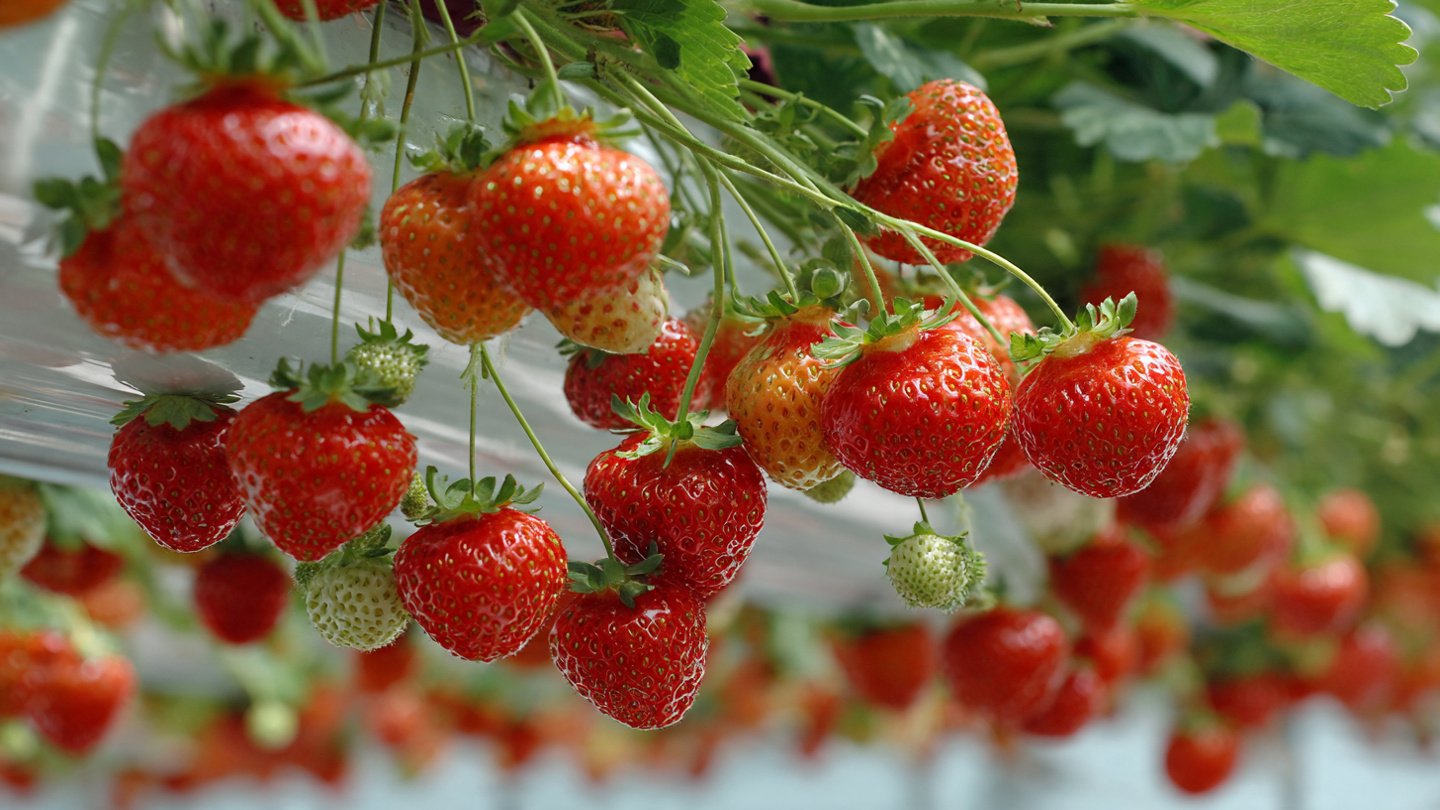
Strawberries are a gardener’s delight: sweet, juicy, and incredibly versatile. But what if you don’t have a garden or plenty of space for traditional planting? Surprisingly, you can grow a productive strawberry garden using something as simple as discarded plastic bottles. This clever, eco-friendly method not only recycles waste but also allows you to cultivate strawberries anywhere — balconies, rooftops, windowsills, or even small patios — and reap a bountiful harvest.
In this guide, we’ll walk you through the surprising method of turning plastic bottles into a strawberry factory, from preparation and planting to maintenance and harvesting, ensuring your strawberries are sweet, healthy, and abundant.
Why Plastic Bottles Work for Strawberry Gardening
Plastic bottles are more than just trash — they are compact, durable, and versatile containers ideal for small-space gardening. Here’s why they work especially well for strawberries:
- Space Efficiency – Strawberries are compact plants, making them perfect for vertical or tiered arrangements. Bottles can be stacked or hung to save space.
- Controlled Growth Environment – Bottles allow you to control soil, water, and nutrients, resulting in healthier plants and sweeter fruit.
- Mobility – Unlike garden beds, bottle gardens can be moved to capture sunlight, protect from wind, or adjust spacing.
- Cost-Effective and Eco-Friendly – Recycling bottles reduces plastic waste and provides free containers for gardening.
This method is particularly useful for urban dwellers who lack access to a traditional garden but still want fresh strawberries.
Materials You’ll Need
To create your strawberry factory, you’ll need:
- Empty plastic bottles (1.5L or 2L soda bottles work well)
- A sharp knife or scissors
- Potting soil or a mixture of garden soil and compost
- Strawberry seedlings or runners
- Small rocks or pebbles for drainage
- Twine, hooks, or stakes (if creating vertical or hanging systems)
- Watering can or spray bottle
Optional: Fertilizer for strawberries and mulch to retain moisture.
Step-by-Step Guide: Turning Plastic Bottles Into Strawberry Planters
1. Preparing the Bottles
- Clean the bottles thoroughly to remove any residue.
- Cut a rectangular window along the side of the bottle. This will serve as the planting area for the strawberry. For hanging bottles, the opening can face outward.
- Poke 3–4 small drainage holes at the bottom to prevent waterlogging.
- Optionally, add small rocks at the base to improve drainage and prevent soil from escaping.
2. Planting the Strawberries
- Fill the bottle with a nutrient-rich soil mix, leaving about 1 inch from the top.
- Create a small hole in the soil and place your strawberry seedling or runner, making sure the crown (where leaves emerge) is just above the soil level.
- Gently firm the soil around the roots to stabilize the plant.
- Water lightly to settle the soil, ensuring it’s moist but not soggy.
3. Arranging Your Strawberry Factory
There are several ways to arrange your bottles depending on your space:
Vertical Bottle Garden
- Stack bottles on top of one another using twine or a vertical frame.
- Each bottle’s window should face outward for easy harvesting.
- Ensure the top bottle has sufficient sunlight exposure and that lower bottles still receive light.
Hanging Bottle Garden
- Hang bottles from a railing, ceiling, or balcony using hooks or twine.
- Position bottles so that sunlight reaches all plants equally.
- This setup is visually appealing and ideal for urban spaces with limited floor area.
Side-by-Side Arrangement
- Simply place bottles side by side on a balcony ledge, windowsill, or rooftop.
- Ensure proper spacing to allow airflow and sunlight for each plant.
Caring for Your Bottle-Grown Strawberries
Strawberries grown in bottles require attentive care to maximize yield and sweetness.
1. Watering
- Bottles dry out faster than garden soil, so regular watering is essential.
- Check the soil daily; water when the top 1–2 inches feel dry.
- Avoid waterlogging to prevent root rot.
2. Sunlight
- Strawberries need 6–8 hours of sunlight daily for optimal fruit production.
- Rotate bottles or adjust their position if sunlight is uneven.
3. Fertilizing
- Use a balanced, slow-release fertilizer or organic options such as compost tea every 3–4 weeks.
- Avoid over-fertilizing, which can lead to excessive leaf growth and reduced fruit production.
4. Pruning Runners
- Strawberry plants produce runners that create new plants.
- For bottle gardens, remove most runners to focus the plant’s energy on producing larger, sweeter fruits.
5. Mulching
- Add straw or coconut coir on top of the soil to retain moisture, prevent weeds, and keep berries clean.
Common Challenges and How to Overcome Them
Even with plastic bottles, strawberry gardening has its challenges:
- Pests – Aphids, spider mites, and snails can attack plants. Inspect regularly and remove pests by hand or use organic insecticidal sprays.
- Diseases – Fungal infections like powdery mildew thrive in humid, poorly ventilated conditions. Ensure bottles are not overcrowded and have proper drainage.
- Uneven Sunlight – Vertical or hanging setups may create shaded areas. Rotate bottles or adjust placement to ensure all plants receive adequate sunlight.
- Nutrient Depletion – Soil in containers loses nutrients faster than garden soil. Regular feeding ensures continuous growth and fruiting.
Harvesting Your Bottle-Grown Strawberries
Patience pays off! Strawberry plants generally start producing fruit within 4–6 weeks for runners and 3–4 months for seedlings.
Tips for a Bountiful Harvest
- Pick berries when they are fully red and slightly soft to the touch.
- Harvest regularly to encourage the plant to produce more fruit.
- Avoid pulling berries off forcefully to prevent damaging the plant or other fruits.
By following these methods, you can enjoy continuous sweet, juicy strawberries even in limited space.
Surprising Benefits of Growing Strawberries in Plastic Bottles
Beyond the obvious advantage of growing your own fresh fruit, bottle gardening has several unexpected benefits:
- Eco-Friendly Recycling – You repurpose plastic waste that would otherwise pollute the environment.
- Space-Saving Productivity – Vertical and hanging systems make strawberries feasible even in tiny apartments.
- Educational Fun – Great for teaching kids about plant biology, nutrition, and sustainability.
- Pesticide-Free Fruits – You control soil, water, and fertilization, ensuring organic, safe berries.
- Aesthetic Appeal – Cascading red berries and green leaves add beauty to balconies, patios, and kitchens.
Conclusion
Turning plastic bottles into a strawberry factory is an ingenious, cost-effective, and eco-friendly way to enjoy fresh, sweet, and juicy strawberries without a traditional garden. By carefully selecting varieties, preparing bottles, planting strategically, and providing attentive care, you can transform discarded bottles into a highly productive and visually appealing strawberry garden.
Whether you opt for vertical towers, hanging baskets, or simple container arrangements, this method proves that lack of space doesn’t mean lack of harvest. Not only do you reduce waste and promote sustainability, but you also gain the joy of harvesting your own pesticide-free strawberries — a delightful treat for you, your family, and your guests.
So, gather your bottles, prepare your soil, and start your very own strawberry factory. The results may surprise you with both the volume and the sweetness of your harvest!