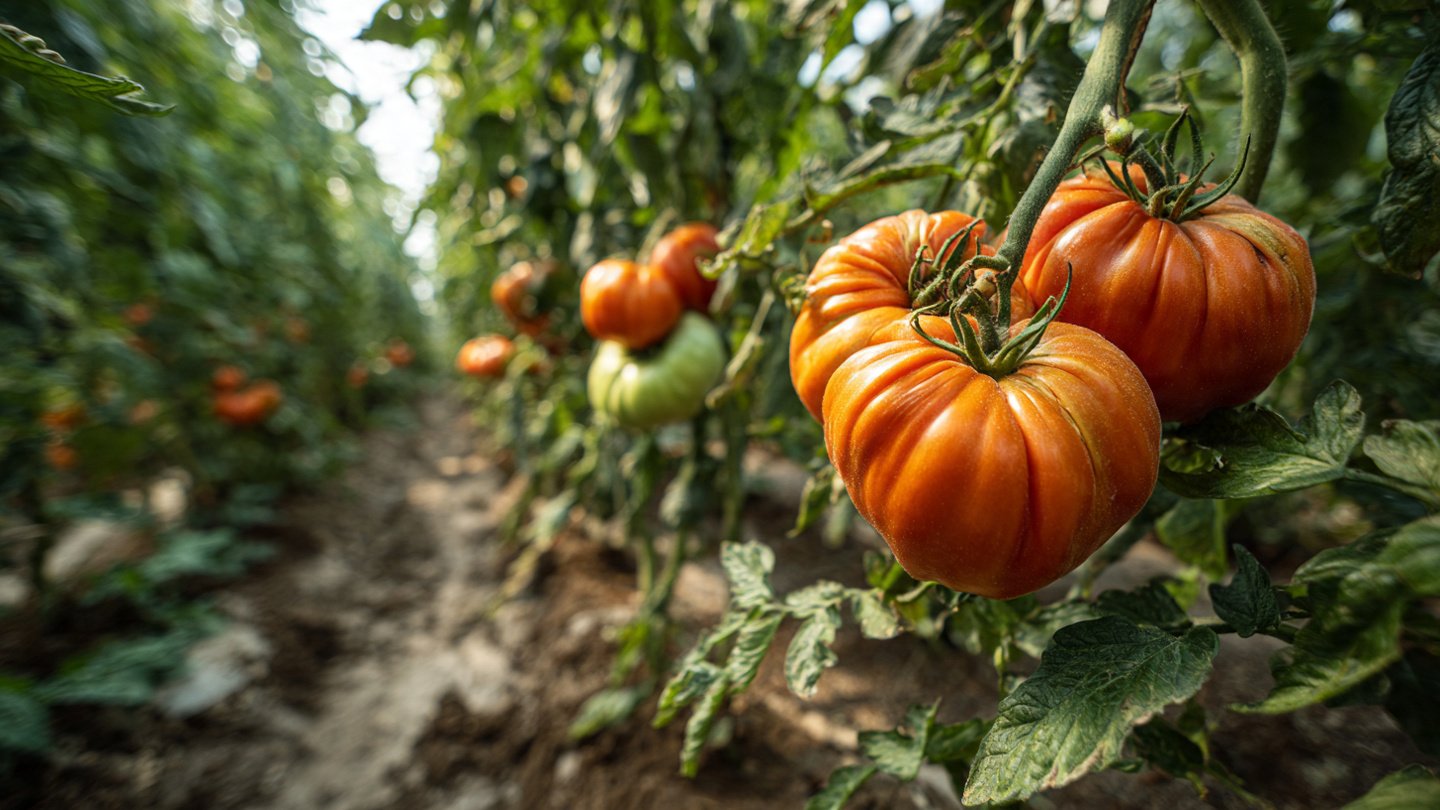
Tomatoes are one of the most beloved and versatile vegetables worldwide. From fresh salads to savory sauces, a juicy tomato adds flavor and nutrition to countless dishes. But growing tomatoes at home can sometimes feel like a challenge. Pests, diseases, irregular watering, and small yields often discourage home gardeners.
What if there was a simple, almost effortless method to grow massive, juicy tomatoes at home? The good news is that there is, and it’s easier than you think. With a few smart techniques, you can enjoy a bountiful tomato harvest without spending hours tending your plants. This guide reveals everything you need to know to achieve a thriving tomato garden with minimal effort.
Why Homegrown Tomatoes Are Worth It
Before diving into the method, it’s essential to understand why growing tomatoes at home is so rewarding:
- Superior Flavor: Homegrown tomatoes are far juicier and more flavorful than store-bought ones.
- Chemical-Free: You control what goes into your plants, ensuring they are free from harmful pesticides.
- Cost Savings: A single healthy plant can yield dozens of tomatoes throughout the season.
- Therapeutic Gardening: Gardening reduces stress and connects you with nature.
Whether you have a backyard garden, balcony, or even just a sunny windowsill, homegrown tomatoes are entirely achievable with the right approach.
Choosing the Right Tomato Variety
The first step to a massive harvest is selecting the right variety. Tomatoes come in many types, but they generally fall into two categories:
- Determinate (Bush) Varieties: Grow to a fixed size and produce fruits all at once. Perfect for container gardening or short growing seasons.
- Indeterminate (Vine) Varieties: Continue growing and producing fruit throughout the season. Ideal for gardeners seeking a continuous supply of juicy tomatoes.
Popular high-yield varieties include:
- Beefsteak: Large, juicy, perfect for slicing.
- Cherry Tomatoes: Small, sweet, and abundant.
- Roma/Plum Tomatoes: Great for sauces and cooking.
Choose a variety that suits your taste, cooking needs, and growing space.
The “Almost No Effort” Method
The method that produces massive, juicy tomatoes with minimal effort combines container gardening, vertical support, and smart feeding. It’s ideal for beginners and urban gardeners who want maximum results with minimal labor.
Step 1: Prepare the Soil
Tomatoes thrive in fertile, well-draining soil. For container or garden bed planting:
- Use a mix of garden soil, compost, and coco peat or perlite.
- Ensure the soil is slightly acidic to neutral (pH 6.0–7.0).
- Adding organic compost improves soil fertility and water retention, reducing the need for frequent watering.
Step 2: Use Containers or Raised Beds
Even if you don’t have a large garden, container or raised-bed gardening works wonders:
- Containers: Use large pots or grow bags (at least 12–15 inches deep) to give roots enough space.
- Raised Beds: Improve drainage and reduce soil-borne diseases.
The key is to provide enough space for roots to grow strong, which directly impacts fruit size and quantity.
Step 3: Vertical Support
Tomatoes are vine plants, so supporting them is crucial:
- Use stakes, cages, or trellises to keep the plant upright.
- Tie the stems gently with soft ties or cloth strips to prevent breakage.
- Vertical growth ensures better air circulation, reducing the risk of fungal diseases.
Step 4: Smart Watering
Overwatering or underwatering can hinder growth and reduce yields. The “almost no effort” method relies on deep, infrequent watering:
- Water the plants once or twice a week, ensuring the soil is moist but not soggy.
- Use mulch (straw, dried leaves, or coco peat) around the base to retain moisture and reduce evaporation.
- Avoid overhead watering to prevent leaf diseases; water at the soil level instead.
Step 5: Fertilize Strategically
Tomatoes are heavy feeders, but you don’t need to fertilize constantly:
- Apply organic fertilizer or compost tea every 2–3 weeks.
- High-nitrogen fertilizers promote leafy growth early on, while phosphorus and potassium encourage flowering and fruiting.
- Foliar sprays with seaweed extract or liquid organic fertilizers boost nutrient absorption with minimal effort.
Step 6: Pruning for Productivity
Pruning may sound labor-intensive, but with minimal pruning, you can boost your tomato yield:
- Remove suckers (small shoots growing between the main stem and leaf branches).
- Focus on one or two main stems to maximize fruit size.
- Cut yellowing or dead leaves to improve airflow and reduce fungal risks.
Pollination Tips
Tomatoes require pollination to set fruit. Outdoor plants often rely on bees and wind, but indoor or balcony gardens may need assistance:
- Gently shake or tap flowers to help pollen spread.
- Use a small electric toothbrush or fan near flowers to vibrate and aid pollination.
- Pollinate early in the morning for the best results.
Proper pollination ensures more flowers develop into juicy, full-sized fruits.
Pest and Disease Management
Even the simplest tomato method needs some attention to pests and diseases. Fortunately, the “almost no effort” method minimizes these issues:
- Mulching and vertical support reduce soil-borne fungal infections.
- Neem oil or garlic sprays naturally deter aphids, whiteflies, and other pests.
- Crop rotation and clean containers prevent recurring diseases.
Healthy, well-supported plants require fewer interventions, making your gardening journey easier.
Harvesting for Maximum Juiciness
The reward for all your care is the harvest! Here’s how to get the best results:
- Pick tomatoes when they are fully colored and slightly soft to touch.
- Frequent harvesting encourages the plant to produce more fruits.
- Avoid leaving overripe tomatoes on the vine, as this slows down new fruit development.
- For indeterminate varieties, harvest every 3–4 days to maintain continuous production.
A single healthy tomato plant can yield 20–30 fruits or more, depending on the variety and growing conditions.
Benefits of This Method
This method of growing tomatoes is ideal for busy gardeners or beginners because it:
- Maximizes Yield: Proper support, pruning, and fertilization boost both quantity and size of fruits.
- Reduces Labor: Deep watering, mulching, and minimal pruning cut down daily care.
- Minimizes Pests and Diseases: Vertical growth and mulch reduce common issues.
- Suits Small Spaces: Balcony, terrace, and container gardening are all viable.
- Enhances Fruit Quality: Homegrown tomatoes are juicier, tastier, and richer in nutrients.
Extra Tips for Massive, Juicy Tomatoes
- Rotate Containers: Ensure all plants receive adequate sunlight throughout the day.
- Companion Planting: Grow basil, marigold, or parsley nearby to repel pests naturally.
- DIY Trellis Options: Use bamboo sticks, old chairs, or wire frames to create support without spending money.
- Use Self-Watering Pots: For urban gardeners, self-watering containers reduce daily watering effort.
Conclusion
With this “almost no effort” tomato-growing method, anyone can enjoy a bountiful, juicy harvest without feeling overwhelmed. By combining fertile soil, container or raised-bed planting, vertical support, strategic watering, and minimal pruning, you set yourself up for success.
The magic of this method lies in its simplicity. A few smart choices, proper support, and minimal interventions allow your tomato plants to thrive naturally, producing massive fruits packed with flavor and nutrition.
Whether you are a beginner or an experienced gardener, adopting these techniques will transform your tomato-growing experience. Say goodbye to small, tasteless store-bought tomatoes and hello to a lush, productive home garden filled with vibrant, juicy, and chemical-free fruits.
Start today, follow these steps, and you’ll soon wonder why you didn’t try this method earlier.