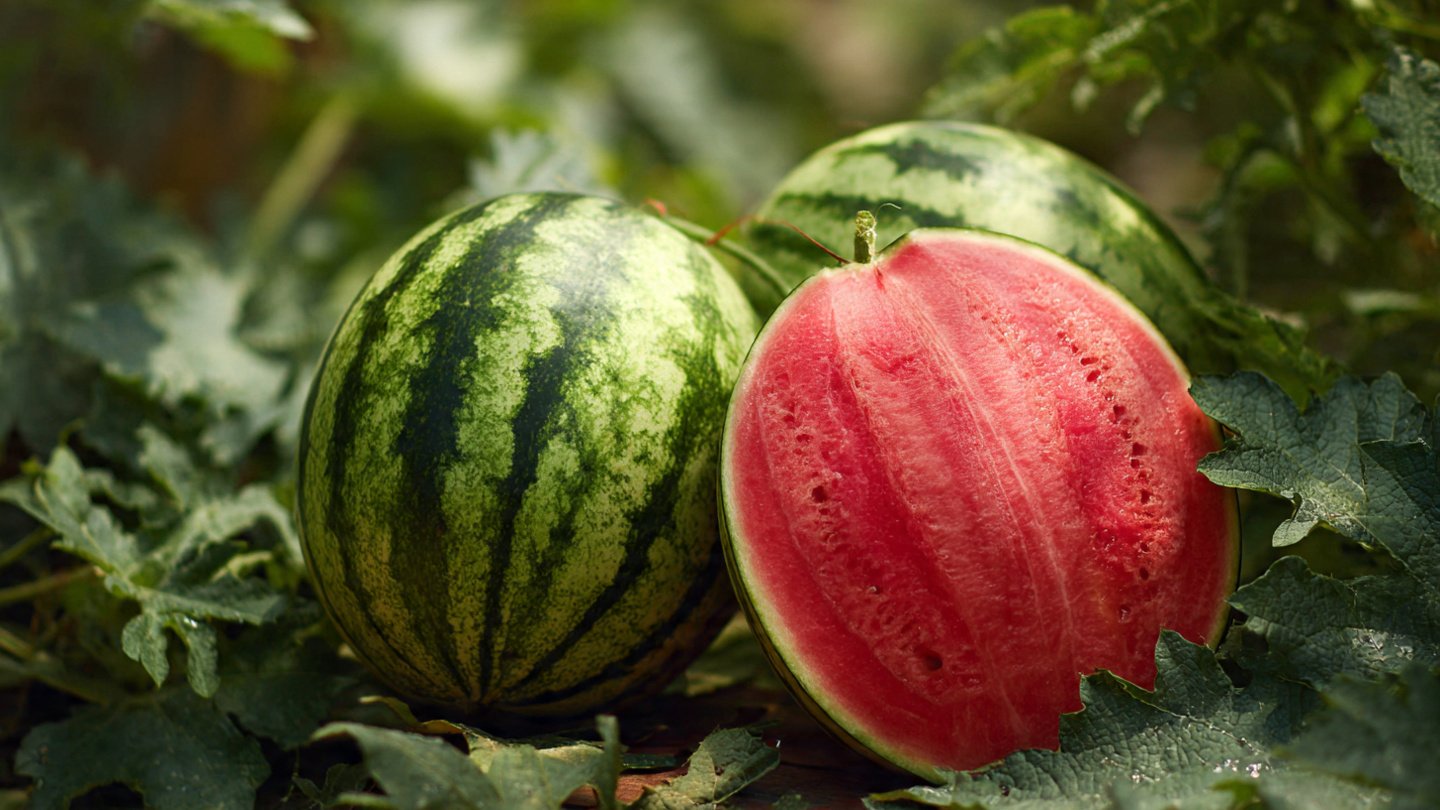
Watermelons are one of the most refreshing and beloved fruits of summer. Their juicy, sweet flesh and vibrant color make them a favorite for picnics, desserts, and homemade beverages. While many people buy watermelons from markets, growing your own at home can be deeply satisfying—and with the right approach, you can produce watermelons that are larger, sweeter, and more flavorful than store-bought varieties. The secret to a record-breaking watermelon harvest is not just in the seeds you choose, but in the little-known techniques that maximize growth, sweetness, and yield.
Understanding Watermelon Growth
To achieve big, sweet watermelons, it is crucial to understand how these plants grow. Watermelons are vining plants that require space, sunlight, water, and nutrients. Each watermelon grows from a single flower, which, once pollinated, develops into the fruit over several weeks.
- Vines: Watermelon plants produce long vines that spread across the garden. These vines compete for nutrients and water. Managing vine growth strategically ensures that energy is directed to fruit development.
- Flowers and Pollination: Watermelon flowers are either male or female. Only female flowers produce fruit, and they require pollination—usually by bees—for successful fruiting.
- Fruit Development: After pollination, the watermelon starts small and gradually expands. The plant’s nutrition, water, and sunlight during this period directly affect the size and sweetness of the fruit.
Understanding these fundamentals is the first step toward a record-breaking harvest.
The Little-Known Secret: Strategic Fruit Management
While traditional gardening advice focuses on soil, watering, and fertilization, the little-known secret to big watermelons lies in strategic fruit management. Many gardeners make the mistake of allowing their watermelon plants to produce many fruits at once, thinking quantity will maximize yield. In reality, focusing the plant’s energy on fewer fruits leads to larger, sweeter watermelons.
1. Limit the Number of Fruits
After your watermelon flowers are pollinated, select one to three fruits per vine to keep. Remove any additional young fruits. By reducing the number of watermelons, the plant directs its energy, nutrients, and water to the remaining fruits, allowing them to grow much larger.
2. Prune Vines Strategically
While watermelons require vines for photosynthesis and fruit support, pruning unnecessary vine shoots helps concentrate energy on the main fruit. Cut back small side shoots and weak stems, especially those that do not lead to flower clusters. This prevents the plant from spreading itself too thin.
3. Support Heavy Fruits
As watermelons grow larger, they can become heavy and stress the vines. Use slings or supports for the fruit to prevent bending or breaking of stems. Elevated fruits also stay cleaner and are less prone to rot from ground contact.
Soil Preparation: The Foundation for Giant Watermelons
Healthy soil is critical for large, sweet watermelons. These fruits are heavy feeders, requiring rich, well-draining soil that retains moisture while providing essential nutrients.
1. Test and Amend Soil
Start by testing your soil’s pH and nutrient levels. Watermelons thrive in soil with a pH of 6.0–6.8. If your soil is too acidic or alkaline, amend it with lime or sulfur accordingly. Adding organic matter, such as compost or well-rotted manure, improves soil structure, water retention, and fertility.
2. Fertilize Smartly
Watermelons require a balance of nitrogen, phosphorus, and potassium throughout their growth. Use a high-nitrogen fertilizer in the early stages to promote healthy vine growth. Once fruits start forming, switch to a fertilizer higher in phosphorus and potassium to encourage fruit development, sweetness, and size.
3. Mulching
Apply organic mulch around watermelon plants to retain soil moisture, reduce weeds, and regulate soil temperature. Mulching also prevents fruits from direct contact with the soil, reducing the risk of rot and pests.
Watering for Size and Sweetness
Water is critical for watermelon growth, but timing and method matter. Inconsistent watering can result in smaller, less sweet fruits.
- Consistent Deep Watering: Watermelons need deep, thorough watering to encourage root growth and maintain fruit size. Avoid shallow, frequent watering, which promotes weak roots.
- Reduce Water Before Harvest: About two weeks before harvesting, reduce watering slightly. This encourages the fruit to concentrate its sugars, increasing sweetness.
- Drip Irrigation: Using drip irrigation allows for steady water supply while keeping leaves dry, reducing the risk of fungal diseases.
Sunlight: The Key to Sweetness
Watermelons are sun-loving plants. They require at least 8 hours of direct sunlight daily. Sunlight not only fuels photosynthesis but also plays a crucial role in sugar production, directly affecting fruit sweetness. Plant your watermelons in a sunny, open area of your garden and avoid shading from trees or buildings.
Pollination and Fruit Set
Pollination is vital for watermelon fruit development. Female flowers require pollen from male flowers, usually carried by bees. Poor pollination results in small, misshapen fruits. To ensure proper pollination:
- Attract Pollinators: Plant flowers nearby that attract bees and other pollinators.
- Hand Pollinate: In areas with few pollinators, hand pollination using a small brush to transfer pollen from male to female flowers can improve fruit set.
Protecting Your Watermelons
Even with perfect soil, water, and sunlight, pests and diseases can sabotage your harvest. Common threats include:
- Aphids and beetles: Can weaken vines and reduce fruit growth
- Fungal diseases: Powdery mildew and downy mildew can stunt vine growth
- Animals: Birds, squirrels, and raccoons are attracted to ripe fruits
Protective measures include:
- Using row covers early in growth
- Regularly inspecting plants for pests
- Applying organic fungicides or neem oil for disease control
- Fencing or netting to keep animals away
Harvest Timing: Picking at Peak Sweetness
Even giant watermelons must be harvested at the right time to ensure maximum sweetness. Signs that your watermelons are ready include:
- Ground spot color: The part of the watermelon touching the soil turns from white to a creamy yellow.
- Tendrils: The curly tendril nearest to the fruit stem dries and turns brown.
- Sound test: A ripe watermelon produces a deep, hollow sound when tapped.
Harvesting at peak ripeness ensures the fruit has accumulated maximum sugar content, delivering the sweetness you desire.
Variety Selection: The First Step to Giant Watermelons
While care techniques are critical, choosing the right variety sets the stage for large fruits. Some varieties naturally produce larger watermelons, including:
- Carolina Cross: Known for record-breaking weights
- Sugar Baby: Sweet and compact, ideal for smaller gardens
- Jubilee: Produces long, heavy fruits with excellent sweetness
- Charleston Gray: Resistant to diseases and produces large fruits
Select varieties suited to your climate and space. Combining the right variety with careful fruit management ensures the best results.
Putting It All Together: The Record-Breaking Watermelon
Achieving big, sweet watermelons at home is not just luck—it’s the result of consistent care, strategic fruit management, and attention to detail. Here’s a quick checklist for a record-breaking harvest:
- Choose the right variety suited to your space and climate.
- Prepare rich, well-draining soil with proper nutrients and pH.
- Plant in full sunlight with sufficient space for vine spread.
- Water consistently, deep and regularly, adjusting before harvest for sweetness.
- Limit the number of fruits per vine and prune unnecessary shoots.
- Support heavy fruits to prevent vine stress.
- Pollinate effectively by attracting bees or hand-pollinating.
- Monitor for pests and diseases and take preventive measures.
- Harvest at peak ripeness for maximum flavor and sweetness.
By following these steps, you can transform your garden into a source of enormous, sugary watermelons that rival those seen at competitions.
Conclusion
Growing big, sweet watermelons at home is both an art and a science. While many focus on fertilizers or watering alone, the little-known secret lies in strategic fruit management—limiting the number of fruits and directing the plant’s energy toward the strongest fruits. Combine this with proper soil preparation, sunlight, water management, and careful harvesting, and you have the recipe for a record-breaking watermelon harvest.
Not only will you enjoy the satisfaction of growing your own giant, juicy watermelons, but you will also impress friends and family with fruits that are sweeter, larger, and more flavorful than anything you can buy in stores. With patience, observation, and a little bit of technique, your summer garden can become the home of extraordinary watermelons that everyone will remember.