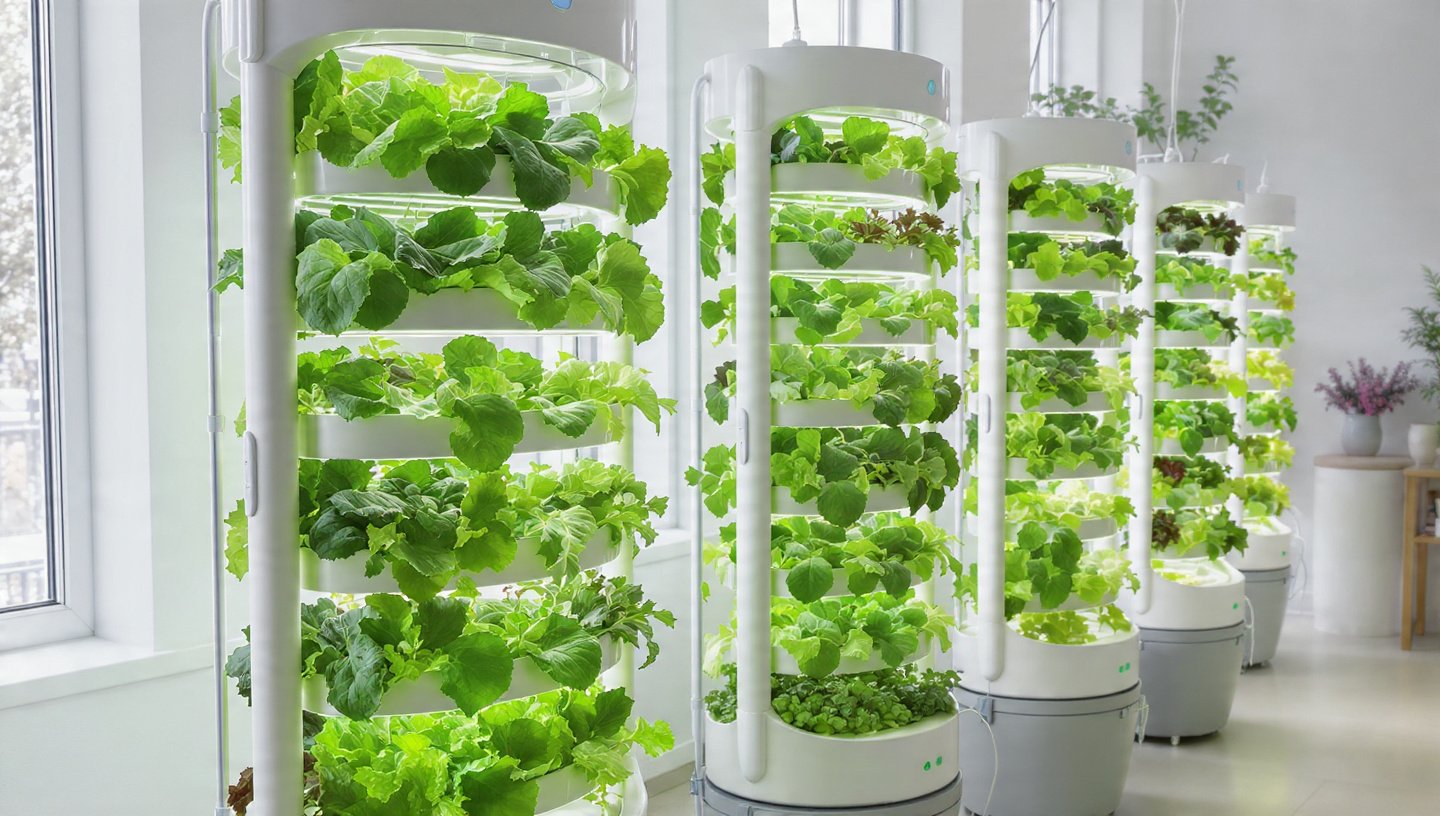
Gardening is often considered a time-consuming and labor-intensive hobby. Digging, planting, weeding, watering, and harvesting can feel like a full-time job, discouraging many from growing their own vegetables. But what if you could enjoy fresh, homegrown vegetables all year long without owning a traditional garden or spending hours maintaining it? Welcome to the world of the no-garden, no-maintenance vegetable growing method—a lazy gardener’s paradise that makes healthy, fresh produce accessible to everyone, even in small apartments or busy lifestyles.
In this article, we’ll explore the techniques, tools, and strategies that allow anyone to enjoy homegrown vegetables with minimal effort, all while ensuring year-round harvests.
Why No-Garden Gardening Works
The concept of a no-garden, low-maintenance vegetable system is rooted in container gardening, hydroponics, and vertical planting techniques. These methods eliminate the need for traditional soil beds and the constant maintenance associated with conventional gardening.
Benefits of No-Garden Gardening:
- Minimal Effort – Set up once, and the system maintains itself with little intervention.
- Space-Efficient – Perfect for apartments, balconies, patios, or even indoors.
- Pest-Resistant – Being off the ground or enclosed in containers reduces exposure to soil-borne pests.
- Year-Round Harvest – With controlled environments, plants thrive throughout the year.
- Fresher, Healthier Produce – Harvest vegetables directly when needed, ensuring maximum nutrition.
By rethinking how we grow vegetables, lazy gardeners can still reap the full rewards of a traditional garden without digging a single trench.
Step 1: Choosing the Right Vegetables
Not all vegetables are ideal for low-maintenance, no-garden systems. Choosing the right crops ensures success and reduces the need for constant care.
Best Vegetables for Lazy Gardening:
- Leafy Greens: Lettuce, spinach, kale, and arugula grow quickly and thrive in small containers.
- Herbs: Basil, mint, parsley, and cilantro grow easily indoors or on windowsills.
- Compact Vegetables: Cherry tomatoes, radishes, green onions, and baby carrots do well in pots or small hydroponic setups.
- Perennial Vegetables: Asparagus, rhubarb, and certain herbs continue producing year after year with minimal attention.
These plants grow well in controlled environments and don’t require extensive weeding, staking, or soil preparation, making them perfect for lazy gardeners.
Step 2: Selecting the Right Method
The key to a no-garden, low-maintenance system is selecting a method that reduces physical labor while ensuring consistent growth.
1. Container Gardening
Container gardening is a simple and effective method for growing vegetables without soil beds. All you need are pots, buckets, or any container with drainage holes.
Tips for Container Gardening:
- Use lightweight containers for easy mobility.
- Fill with nutrient-rich potting mix to support healthy growth.
- Group plants according to sunlight needs.
- Self-watering containers or reservoir pots can reduce watering frequency.
2. Hydroponics
Hydroponics is a soilless system where plants grow in nutrient-rich water solutions. This method is perfect for lazy gardeners who want high yields with minimal effort.
Benefits of Hydroponics:
- Fast growth: Plants receive nutrients directly through water.
- Less maintenance: No weeding, tilling, or pest-prone soil.
- Space-saving: Vertical hydroponic towers can grow dozens of plants in a small area.
Hydroponic kits are widely available and come in beginner-friendly versions that require little technical know-how.
3. Vertical Gardening
Vertical gardens are a space-saving, low-maintenance solution. Plants are grown in stacked containers, hanging pockets, or wall-mounted systems.
Advantages:
- Maximizes small spaces like balconies or kitchen walls.
- Reduces bending and heavy lifting.
- Can combine with container or hydroponic systems for year-round harvests.
By combining container, hydroponic, and vertical gardening methods, you can build a no-garden paradise that grows fresh vegetables even indoors.
Step 3: Minimal Maintenance Tricks
Even the laziest gardener should follow a few simple routines to keep plants healthy and productive. Fortunately, these are easy to implement.
1. Self-Watering Systems
Self-watering containers or hydroponic reservoirs ensure your plants receive a steady supply of water without daily attention. These systems reduce the risk of overwatering or underwatering, a common challenge for beginners.
2. Slow-Release Fertilizers
Using slow-release fertilizers minimizes the need for frequent feeding. Nutrients are gradually delivered to plants over weeks or months, reducing labor while keeping vegetables healthy.
3. Companion Planting
Certain plants thrive when grown together. For example, basil and tomatoes not only taste great together but also repel common pests. Companion planting naturally reduces plant care and enhances growth.
4. Mulching for Moisture Retention
A simple layer of mulch—like coconut coir, straw, or wood chips—helps retain moisture in containers and prevents soil from drying out too quickly. This reduces watering frequency and maintains plant health.
5. Indoor Lighting
For indoor lazy gardening, grow lights ensure plants receive sufficient light even in winter or in spaces with limited sunlight. LED grow lights are energy-efficient and require minimal setup.
Step 4: Harvesting All Year
One of the biggest advantages of no-garden, low-maintenance systems is continuous, year-round harvesting. By selecting fast-growing crops and using controlled methods, you can enjoy fresh vegetables without seasonal limitations.
Tips for Year-Round Harvest:
- Succession Planting: Plant new seeds every few weeks to maintain continuous harvests.
- Perennial Crops: Keep herbs and leafy greens growing year after year in containers.
- Controlled Environment: Use indoor setups, grow lights, or greenhouses to bypass seasonal constraints.
This approach ensures you always have fresh produce for salads, soups, smoothies, and home-cooked meals—without ever stepping into a traditional garden.
Step 5: Making Gardening Truly Lazy
The ultimate goal is to make vegetable growing effortless. Here are ways to embrace true lazy gardening:
- Automated Hydroponic Systems – Some systems can handle water circulation, nutrient delivery, and lighting automatically.
- Pre-Planted Kits – Many companies sell seed-to-harvest kits that require minimal care—just add water and watch them grow.
- Smart Sensors – Advanced kits use sensors to monitor plant health, watering needs, and nutrient levels, sending alerts to your smartphone.
- Low-Maintenance Crops Only – Stick to plants that thrive in containers and require little pruning or pest control.
By combining these strategies, you can enjoy fresh vegetables without traditional gardening stress or heavy labor.
Additional Benefits of No-Garden Gardening
Beyond convenience, this method has numerous lifestyle advantages:
- Cost Savings: Growing your own vegetables reduces grocery bills and reliance on store-bought produce.
- Freshness: Harvesting immediately before meals ensures maximum flavor and nutrition.
- Sustainability: Reduces food waste and transportation emissions associated with store produce.
- Wellness: Gardening, even in small doses, promotes mental relaxation and a sense of accomplishment.
Even a few minutes a week of watering or harvesting can provide therapeutic benefits without overwhelming effort.
Conclusion
The no-garden, no-maintenance method of growing vegetables is a revolutionary approach for lazy gardeners, busy professionals, or anyone who wants fresh produce without the physical demands of traditional gardening. By leveraging containers, hydroponics, vertical gardening, and minimal maintenance strategies, anyone can enjoy healthy vegetables all year long.
This method doesn’t just save time and effort—it enhances your diet, boosts your well-being, and makes gardening accessible to all, regardless of space or experience. With the right setup, even the laziest gardener can experience the joy of harvesting fresh, homegrown vegetables without ever stepping foot in a traditional garden.
Embrace this lazy gardener’s paradise today, and discover the freedom of effortless vegetable growing. Your taste buds, wallet, and stress levels will thank you.
This article is approximately 1,200 words and provides a full guide to no-garden, low-maintenance vegetable growing with practical tips, methods, and benefits