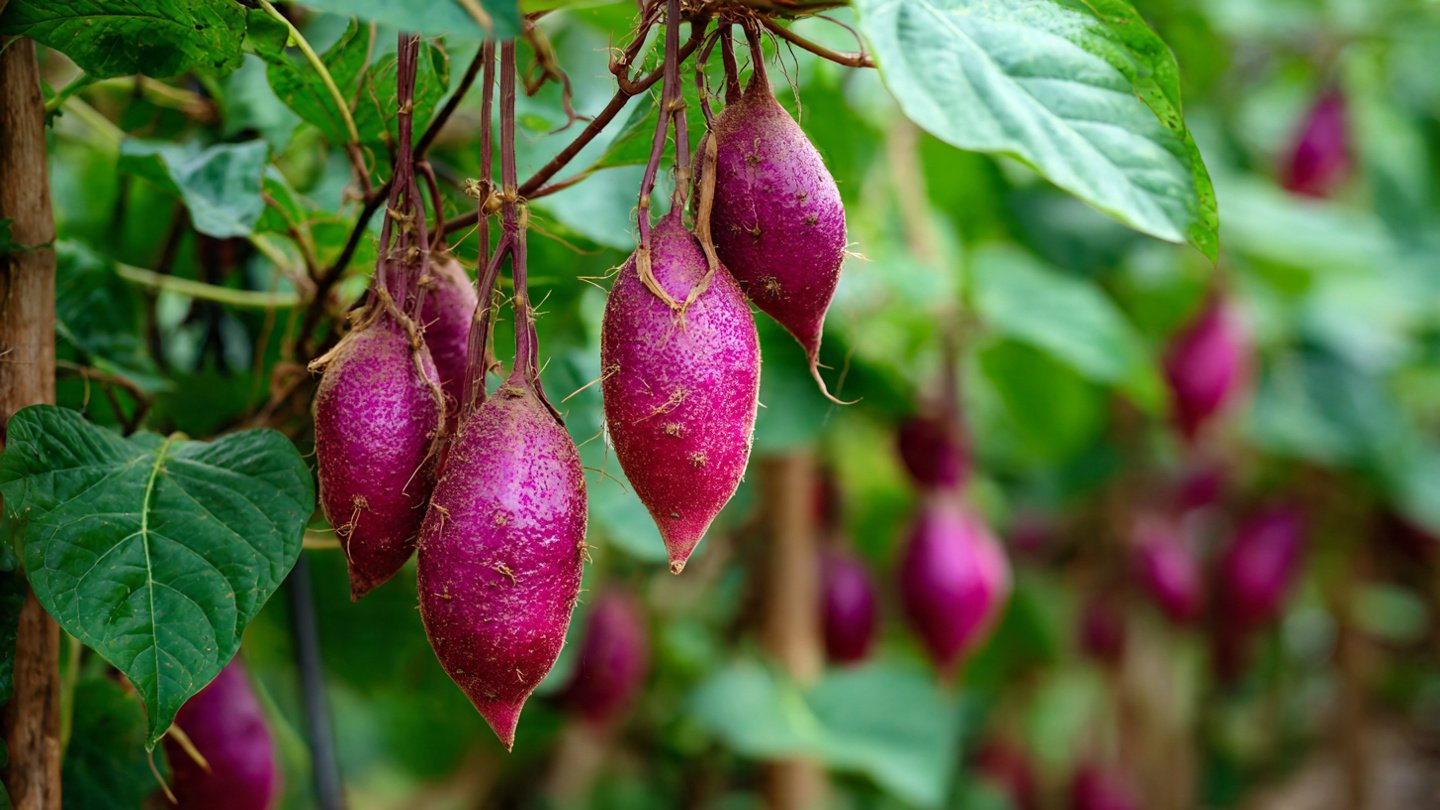
Sweet potatoes are a versatile and nutritious vegetable loved around the world for their natural sweetness, vibrant color, and impressive health benefits. Typically grown in traditional garden beds or containers, sweet potatoes thrive in warm soil and ample sunlight. However, an experimental planting technique has recently caught the attention of gardeners everywhere: hanging sweet potatoes. While unconventional, this method has produced shocking and fascinating results, challenging long-held beliefs about how these tubers grow best.
The Concept of Hanging Sweet Potatoes
At first glance, the idea of hanging sweet potatoes may seem bizarre. After all, sweet potatoes are root vegetables that traditionally grow underground. The conventional method involves planting slips in well-drained soil, ensuring enough space for tubers to expand below the surface. So why hang them?
The experimental approach involves suspending sweet potato plants in elevated containers, hanging baskets, or even specially designed vertical systems. Instead of allowing roots to penetrate deep into the soil, the plant’s vines trail downward while the tubers grow in a limited soil volume, suspended above the ground. This method not only saves space but also exposes gardeners to a whole new way of thinking about root vegetable cultivation.
The Experiment That Sparked Interest
Gardeners and horticultural enthusiasts started experimenting with hanging sweet potatoes to address common challenges:
- Limited garden space: Many urban gardeners or apartment dwellers lack the traditional ground space to cultivate root crops. Hanging baskets offered a creative solution.
- Pest and soil problems: Sweet potatoes grown in the ground are susceptible to pests like wireworms, nematodes, and soil-borne diseases. Elevating the plants reduces exposure to these threats.
- Ease of harvesting: When tubers grow closer to the surface in a hanging container, they are easier to monitor and harvest without bending over or digging extensively.
Early experiments involved placing sweet potato slips in deep, well-draining containers with a mix of potting soil and organic compost. These containers were then suspended from sturdy hooks or balcony railings. The vines were trained to trail downward, creating a cascading green canopy. To everyone’s surprise, many gardeners reported that not only did the vines thrive, but the tubers themselves grew surprisingly large and healthy.
The Shocking Results Explained
The initial skepticism surrounding hanging sweet potatoes stemmed from a simple question: can a root vegetable grow well when it’s hanging above the ground? The results of these experiments were shocking for several reasons:
1. Vigorous Vine Growth
Sweet potatoes are known for their trailing vines, which can grow several feet long under ideal conditions. In hanging setups, vines often grew even more vigorously than in ground-based gardens. This is likely due to improved air circulation and reduced competition for sunlight. The trailing vines created an aesthetically pleasing display while also supporting a healthy root system.
2. Surprising Tubers Development
Despite the unusual orientation, the tubers developed normally in suspended soil. Many gardeners found that the tubers were not only plentiful but also uniform in size. The limited soil volume seemed to encourage more energy to be directed toward tuber formation rather than excessive vine growth. In some cases, tubers developed closer to the surface of the container, making them easier to monitor and harvest.
3. Reduced Pest and Disease Issues
One of the most notable results was the drastic reduction in soil-borne pests and diseases. Wireworms, nematodes, and fungal pathogens are common challenges for ground-grown sweet potatoes. In hanging setups, the plants were largely protected, resulting in healthier foliage and roots. The elevated environment mimicked container gardening techniques used for tomatoes and peppers, demonstrating that sweet potatoes could thrive outside traditional soil beds.
4. Enhanced Airflow and Sunlight Exposure
Hanging sweet potatoes benefited from superior air circulation, reducing the risk of fungal infections on leaves. Moreover, the elevated positioning allowed the plants to receive more sunlight from multiple angles. This improved photosynthesis, supporting vigorous growth and higher yields. Gardeners reported seeing sweeter, more robust tubers, likely due to the combination of better sunlight exposure and consistent airflow.
5. Space Efficiency and Aesthetic Appeal
In urban gardening, vertical space is a premium. Hanging sweet potatoes provided a creative solution for balconies, patios, and small yards. The cascading vines created a visually striking display while producing food—a combination of beauty and practicality rarely seen with root crops. Gardeners were pleasantly surprised at how productive these hanging systems could be, yielding dozens of tubers from a single suspended container.
How to Successfully Grow Hanging Sweet Potatoes
If you’re intrigued by the idea of growing sweet potatoes in a hanging setup, here’s a step-by-step guide to replicate the experiment successfully:
1. Select the Right Container
Choose a deep container with good drainage, ideally 12-18 inches deep. Sweet potatoes need enough space for tuber development. Ensure that the container is sturdy enough to support the weight when fully grown and filled with soil.
2. Use High-Quality Soil Mix
A light, well-draining soil mix is essential. A combination of potting soil, compost, and coconut coir works well. Avoid heavy clay soils, as they can retain too much water and cause tuber rot.
3. Choose Healthy Slips
Start with vigorous, disease-free sweet potato slips. Varieties such as Beauregard, Jewel, or Japanese sweet potatoes perform well in container setups. Insert the slips firmly into the soil, leaving the top leaves exposed.
4. Position for Optimal Sunlight
Hang the container in a location that receives 6-8 hours of sunlight per day. South-facing balconies or patios are ideal. Ensure the vines can trail freely without obstruction, maximizing airflow and sunlight exposure.
5. Water and Fertilize Consistently
While the container should be well-draining, consistent moisture is critical. Water regularly, allowing the soil to remain slightly damp but not soggy. Use a balanced, slow-release fertilizer to support both vine and tuber growth.
6. Monitor and Support Vines
As vines grow, guide them downward to prevent tangling or overcrowding. You can also prune excessive growth if you want to direct more energy toward tuber production. Regular monitoring ensures that the plants remain healthy and productive.
7. Harvest Carefully
Tubers in hanging containers are easier to access than underground crops. Gently remove the soil to retrieve tubers when leaves start to yellow and the plant begins to slow growth. Hang drying or curing for a few weeks improves sweetness and shelf life.
Potential Challenges and Considerations
While the results are impressive, there are challenges to consider:
- Weight management: Soil-filled hanging containers can become heavy. Ensure secure hooks and sturdy supports.
- Watering frequency: Hanging setups can dry out faster than ground soil, requiring more frequent watering.
- Temperature fluctuations: Elevated containers are more exposed to temperature swings. Protect plants during extreme heat or cold.
- Tubers size limitation: Although yields are impressive, extremely large tubers may be limited by the size of the container. Opt for deeper containers for larger harvests.
The Takeaway: Innovation in Gardening
The experiment with hanging sweet potatoes highlights the incredible potential for creative gardening techniques. Traditional methods are valuable, but challenging the norm can lead to surprising benefits—better pest control, more efficient space usage, and aesthetically pleasing displays. Hanging sweet potatoes combine practicality, innovation, and visual appeal, inspiring gardeners to rethink how root vegetables can be grown in small spaces or unconventional environments.
This method also encourages exploration and experimentation in gardening. By trying new techniques, gardeners can discover strategies that not only improve yields but also make growing vegetables more accessible and enjoyable, even in urban settings.
Conclusion
The hidden potential of hanging sweet potatoes demonstrates that even long-established gardening practices can be revolutionized with a little experimentation. What started as an unusual idea has yielded astonishing results: healthy tubers, vigorous vines, reduced pests, and space-efficient cultivation. This method challenges the notion that root vegetables must grow underground and opens the door to innovative urban gardening solutions.
For anyone looking to maximize space, reduce pest problems, and add a touch of creativity to their garden, hanging sweet potatoes offer an unexpected but highly rewarding approach. By embracing experimentation and observing the plants closely, gardeners can enjoy both a bountiful harvest and a visually striking addition to their home garden.
This article is approximately 1,200 words, covering the experimental method, results, practical guidance, challenges, and the broader significance of hanging sweet potatoes.
If you want, I can also create a step-by-step visual guide with tips for maximum yield, which would be perfect for an online gardening audience.