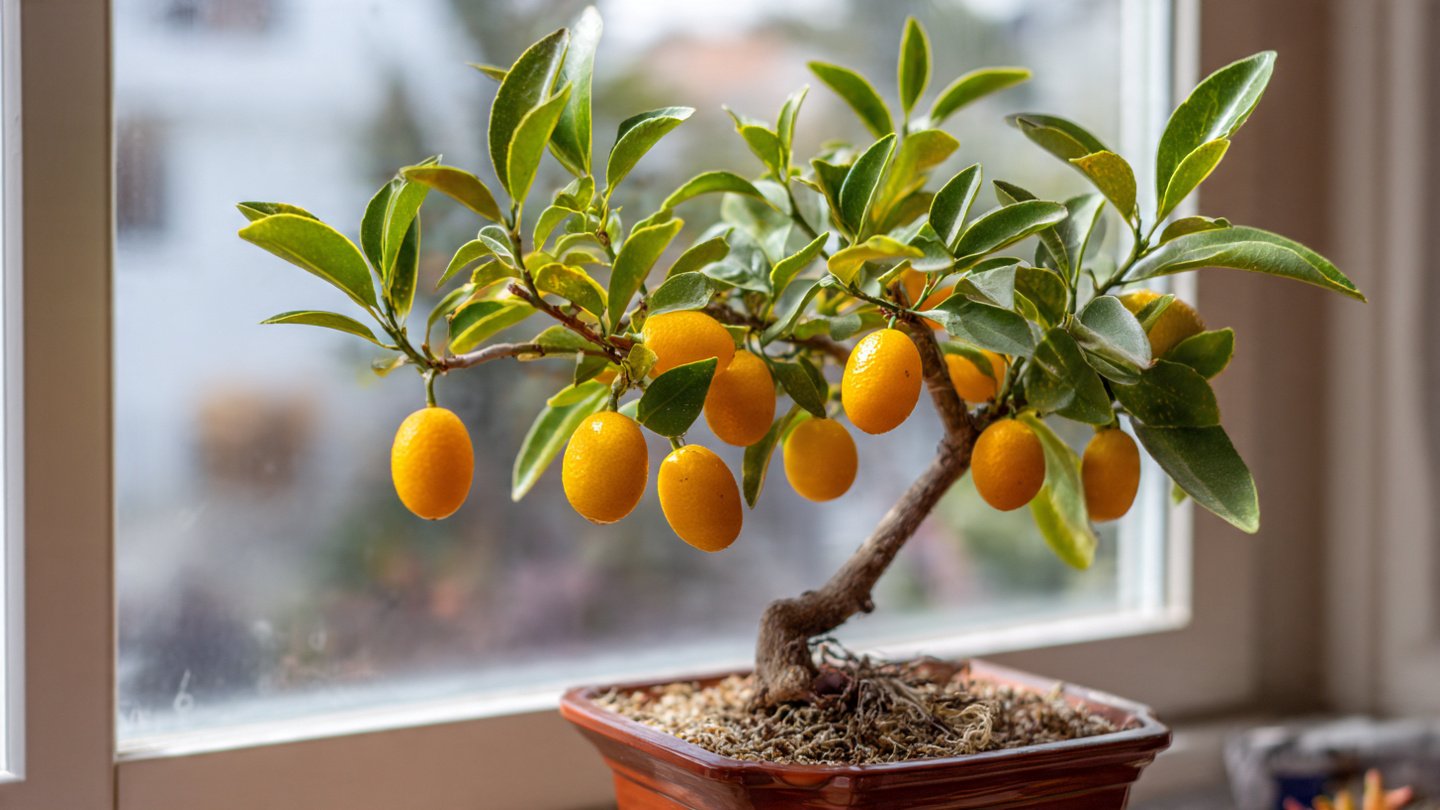
Citrus trees like kumquats and lemons are prized for their bright, zesty fruits and their ability to thrive both indoors and in home gardens. Imagine walking out into your backyard or balcony and picking fresh, juicy lemons or tangy kumquats straight from your own trees. While starting from seeds can be slow and unpredictable, branch propagation—also known as cutting propagation—is a simple, reliable method to grow multiple trees from a single parent plant. This step-by-step guide will teach you how to propagate kumquat and lemon trees easily, helping you expand your home orchard with minimal effort.
1. Why Choose Branch Propagation?
Branch propagation is an effective way to multiply citrus trees because:
- Faster Results: Unlike seeds, which may take years to bear fruit, cuttings establish roots quickly and can start fruiting sooner.
- Genetic Consistency: Cuttings produce clones of the parent tree, preserving desirable traits such as fruit flavor, size, and disease resistance.
- Cost-Effective: You can grow multiple trees without buying new plants or seeds.
- Satisfying Gardening Experience: Watching a new tree grow from a simple branch is highly rewarding and encourages sustainable gardening.
By using branch propagation, you can transform one healthy kumquat or lemon tree into an entire mini-orchard in your home garden.
2. Selecting the Right Branch
The success of propagation largely depends on choosing the right branch. Here’s what to look for:
- Healthy Branch: Select a branch free of disease, pests, or damage. Look for vibrant green leaves and strong stems.
- Semi-Hardwood Stage: The ideal cutting is semi-hardwood, meaning it’s neither too young and soft nor too old and woody. Typically, branches 6–12 months old are perfect.
- Length: Cuttings should be 6–8 inches long, with at least 3–4 nodes (points where leaves or buds grow).
- Angle of Cut: Use clean, sharp pruning shears and make a straight cut just below a node. This is where roots are most likely to develop.
Choosing a robust and healthy branch ensures higher success rates in rooting and reduces the risk of failure.
3. Preparing the Branch for Planting
Once you have your branch, preparation is key to successful propagation:
- Remove Lower Leaves: Strip leaves from the bottom 2 inches of the cutting to prevent rotting in soil or water.
- Optional: Apply Rooting Hormone: Dip the cut end in rooting hormone powder or gel to stimulate root development. While not strictly necessary, it can increase success rates, especially for lemon trees.
- Keep Leaves Intact at the Top: Retaining 2–3 leaves at the top allows the cutting to continue photosynthesis and develop energy for root growth.
Proper preparation minimizes the risk of fungal infections and helps the branch focus on root development.
4. Choosing a Propagation Method
There are two primary methods for propagating kumquat and lemon cuttings: soil propagation and water propagation. Both are simple and effective.
A. Soil Propagation
- Container Selection: Use a small pot with drainage holes to prevent waterlogging.
- Soil Mix: Fill the pot with a light, well-draining mix. A combination of sand, perlite, and peat moss works well.
- Planting the Cutting: Insert the cut end about 1–2 inches into the soil, ensuring at least one node is below the surface.
- Watering: Moisten the soil but avoid making it soggy. Water regularly to keep it slightly damp.
- Humidity: Cover the pot with a clear plastic bag or dome to retain moisture and humidity. Remove periodically to allow airflow.
B. Water Propagation
- Container: Use a glass jar or container with clean water.
- Submerge the End: Place the cut end of the branch in water, leaving leaves above the surface.
- Change Water Regularly: Replace water every 2–3 days to prevent bacterial growth.
- Root Observation: Roots typically develop in 2–4 weeks. Once roots are 2–3 inches long, transfer the cutting to soil.
Water propagation is ideal for beginners because it allows you to monitor root growth directly and is less prone to soil-borne issues.
5. Providing the Right Conditions
Citrus cuttings require optimal conditions to thrive:
- Sunlight: Place cuttings in bright, indirect sunlight. Avoid direct harsh sunlight, which can dry out the leaves and inhibit root growth.
- Temperature: Maintain a warm environment around 20–25°C (68–77°F). Citrus cuttings root faster in consistent warmth.
- Humidity: High humidity supports root development. Using a plastic dome, bag, or placing the pot in a mini greenhouse can help.
By providing ideal conditions, you give your cuttings the best chance to establish healthy roots and become strong young trees.
6. Monitoring Growth and Development
Patience is key when propagating citrus trees. Keep an eye on your cuttings for signs of growth:
- Root Formation: Tiny roots may appear in 2–4 weeks. For soil propagation, gently tug the cutting; resistance indicates root development.
- Leaf Growth: New leaf shoots are a positive sign that the cutting is thriving.
- Health Check: Watch for yellowing leaves, mold, or rotting stems. Adjust watering and humidity if needed.
Regular observation helps you intervene early if problems arise and ensures your propagation process is successful.
7. Transplanting to Larger Pots or Garden Beds
Once roots are well-developed, cuttings can be transplanted:
- Timing: Wait until roots are at least 2–3 inches long and the cutting shows signs of new leaf growth.
- Soil: Use a well-draining, nutrient-rich soil mix for planting in larger pots or garden beds.
- Planting Depth: Bury the root system carefully, ensuring the cutting is upright and stable.
- Watering: Water thoroughly after planting to help the cutting settle in.
Transplanting properly ensures strong growth and sets the foundation for a healthy, fruit-bearing tree.
8. Ongoing Care for Young Citrus Trees
After propagation, young kumquat and lemon trees need attentive care:
- Watering: Keep the soil moist but not waterlogged. Gradually reduce frequency as the tree establishes.
- Fertilization: Use a balanced, slow-release fertilizer suitable for citrus plants. Feed every 4–6 weeks during the growing season.
- Sunlight: Ensure at least 6 hours of bright sunlight per day for strong growth.
- Pruning: Trim dead or weak branches and shape the tree to encourage branching.
- Pest Management: Watch for aphids, scale insects, or spider mites. Neem oil or insecticidal soap works well for control.
Consistent care helps your young trees develop strong root systems and healthy canopies, increasing their long-term productivity.
9. Advantages of Home Propagation
Branch propagation offers several advantages for home gardeners:
- Rapid Expansion: Multiply your trees from a single parent plant without purchasing additional seeds or saplings.
- Cost Savings: Propagation is economical and reduces reliance on commercial nurseries.
- Predictable Quality: Clone your favorite fruit-bearing trees to ensure similar taste, size, and quality.
- Sustainability: Growing your own trees contributes to sustainable gardening and reduces environmental impact.
By propagating at home, you can enjoy endless kumquats and lemons while creating a lush, productive garden.
10. Harvesting Your Citrus Fruits
With proper care, propagated trees can begin producing fruits in 1–3 years:
- Kumquats: Small, oval fruits that are tangy and sweet when ripe. Harvest when fully colored, usually orange, and firm.
- Lemons: Larger, bright yellow fruits. Pick when the skin is glossy and slightly soft to touch.
- Frequency: Regular harvesting encourages continuous fruiting and prevents overburdening the branches.
Homegrown citrus fruits are fresher, more flavorful, and packed with natural nutrients compared to store-bought options.
11. Tips for Success
To maximize the success of branch propagation:
- Always use clean, sharp pruning tools to prevent infection.
- Avoid cutting branches from stressed or sick plants.
- Maintain consistent watering and humidity during the rooting phase.
- Be patient—rooting may take several weeks depending on temperature and plant variety.
- Gradually acclimate cuttings to outdoor conditions if moving from indoors.
Following these tips will significantly improve your propagation success and help you grow healthy, fruitful citrus trees.
12. Enjoying Your Home Orchard
Once your propagated trees mature, you can enjoy numerous benefits:
- Fresh fruits for cooking, juicing, and snacking.
- A beautiful, fragrant addition to your garden or balcony.
- Educational experience for children and beginners in gardening.
- Opportunity to share saplings with friends and family, expanding your home orchard sustainably.
Growing your own kumquat and lemon trees is not just about fruit—it’s about creating a rewarding and sustainable gardening experience.
Conclusion
Branch propagation is a simple, cost-effective, and rewarding way to grow endless kumquat and lemon trees at home. By selecting healthy branches, preparing them properly, providing optimal rooting conditions, and offering ongoing care, you can multiply your favorite citrus trees with minimal effort. Whether in pots on your balcony or planted in the backyard, propagated citrus trees offer fresh fruits, beautiful foliage, and a continuous connection to nature. With patience, dedication, and the right techniques, anyone can become a home citrus gardener, harvesting delicious lemons and kumquats for years to come.