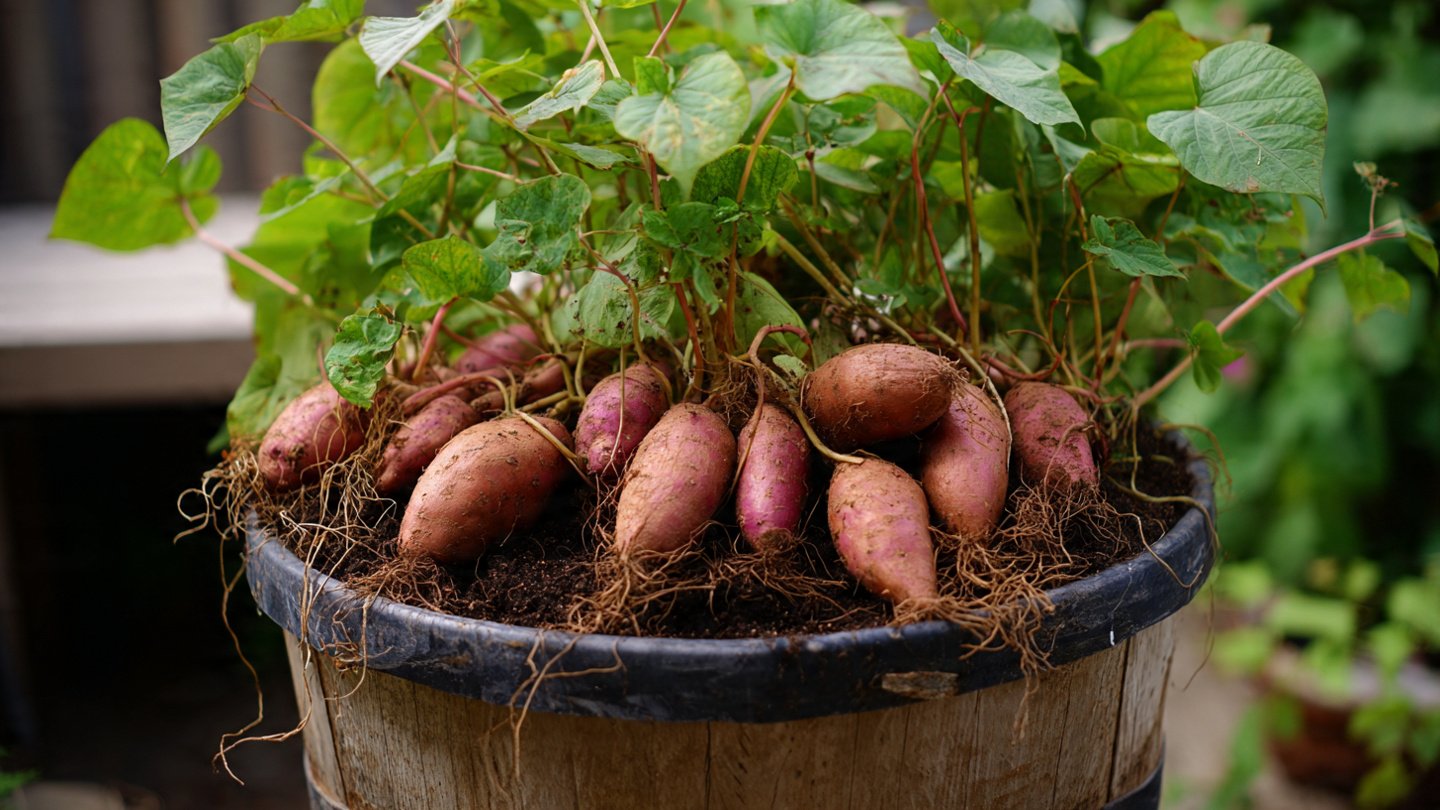
Growing your own food is incredibly satisfying, but what if you don’t have a garden? Urban living, small yards, or even apartment balconies can make traditional gardening difficult. Fortunately, sweet potatoes are one of the easiest and most rewarding crops to grow in containers. With just a plastic tub, some soil, and a little care, you can harvest big, plentiful sweet potatoes without ever stepping foot in a garden.
Why Sweet Potatoes Are Perfect for Container Gardening
Sweet potatoes (Ipomoea batatas) are a nutritious, versatile root vegetable packed with vitamins, minerals, and fiber. Unlike many root vegetables, they thrive in containers because their tubers grow underground while their vines climb above. This separation allows you to manage growth efficiently, even in limited spaces.
Some of the benefits of growing sweet potatoes in plastic tubs include:
- Space Efficiency: You can grow sweet potatoes on a balcony, patio, or even indoors near a sunny window.
- Mobility: Tubs are easy to move if weather conditions change or if you need more sun.
- Control Over Soil: Using a container allows you to provide optimal soil conditions, free of weeds and pests.
- Bountiful Harvests: With the right care, a single plastic tub can produce multiple sweet potatoes, often larger than those bought from stores.
Choosing the Right Plastic Tub
The first step is selecting a suitable container. Sweet potatoes need ample space to grow underground, so the size and depth of your tub are critical. Here’s what to look for:
- Size: A tub that holds at least 20–30 liters (5–8 gallons) is ideal for one or two plants. Larger tubs yield bigger roots and multiple harvests.
- Depth: Sweet potatoes require at least 12–18 inches of soil for tubers to develop fully. Deeper tubs promote larger, well-formed roots.
- Drainage: Proper drainage is essential to prevent waterlogging, which can rot tubers. Drill multiple holes at the bottom of your tub for water to escape.
Plastic tubs are inexpensive, lightweight, and widely available. You can repurpose large storage bins, milk crates, or even old trash bins (cleaned thoroughly) to start your container sweet potato garden.
Selecting Sweet Potato Slips
Sweet potatoes are grown from slips — shoots grown from a mature sweet potato tuber. Here’s how to get started:
- Choose Healthy Tubers: Select disease-free, firm sweet potatoes. Organic or locally grown varieties are preferable.
- Sprout Your Slips: Place a sweet potato in a jar of water with half submerged, and leave it in a warm, sunny spot. Within 2–4 weeks, shoots (slips) will start to sprout.
- Separate Slips: Once the slips reach 6–8 inches, gently twist or cut them from the tuber. Remove the lower leaves and root the slips in water for another week.
Alternatively, you can purchase ready-made slips from garden centers. Varieties like ‘Beauregard,’ ‘Jewel,’ or ‘Covington’ are excellent for container growing due to their robust growth and large tuber production.
Preparing the Soil Mix
Sweet potatoes need loose, well-draining soil. Heavy clay or compacted soil can stunt tuber growth. A suitable container mix includes:
- 50% Potting Soil: Provides nutrients and structure.
- 25% Compost: Supplies essential nutrients for tuber growth.
- 25% Sand or Perlite: Ensures proper drainage and prevents soil compaction.
You can also mix in organic matter like coconut coir, shredded leaves, or aged manure for added fertility. Avoid soil that is too rich in nitrogen, as this promotes vine growth at the expense of tuber formation.
Planting Sweet Potato Slips in Tubs
Once your tub is prepared and filled with soil, it’s time to plant:
- Create Holes: Dig holes about 4–6 inches deep and place slips in them.
- Spacing: Plant 1–2 slips per tub to prevent overcrowding. Each slip should have enough space for tubers to develop.
- Covering: Fill the holes with soil, gently firming it around the base of each slip.
- Watering: Water thoroughly after planting to help roots establish.
Sweet potatoes are vigorous climbers, so consider adding a small trellis or allow the vines to trail over the sides of the tub. This makes harvesting easier and keeps leaves off the soil, reducing pest risk.
Watering and Feeding Sweet Potatoes
Sweet potatoes thrive in moderately moist soil but dislike waterlogged conditions. A regular watering schedule helps tubers grow large and healthy:
- Watering Frequency: Water the tub when the top inch of soil feels dry. In hot climates, daily watering may be necessary, while cooler areas may require watering every 2–3 days.
- Avoid Overwatering: Excess water can rot tubers and stunt growth. Good drainage is essential.
- Fertilizing: Use a balanced fertilizer low in nitrogen but rich in potassium and phosphorus to encourage tuber formation. A slow-release organic fertilizer or diluted fish emulsion every 3–4 weeks works well.
Mulching the soil with straw or shredded leaves helps retain moisture, suppress weeds, and maintain even soil temperature — all crucial for robust tuber development.
Managing Sunlight and Temperature
Sweet potatoes are tropical plants that love warmth and sunlight. Here’s how to provide optimal conditions in a tub:
- Sunlight: Place the tub in a location that receives at least 6–8 hours of direct sunlight daily. Insufficient sunlight results in weak vines and small tubers.
- Temperature: Sweet potatoes grow best in temperatures between 70–85°F (21–29°C). In cooler climates, consider placing tubs in a greenhouse or using black plastic to warm the soil.
- Frost Protection: Sweet potatoes are frost-sensitive. If frost is forecasted, move your tub indoors or cover it with a cloth or plastic sheet.
Controlling Pests and Diseases
Growing sweet potatoes in tubs reduces many garden pests but doesn’t eliminate them. Common pests include aphids, whiteflies, and spider mites. Fungal diseases like root rot can occur in overly wet conditions.
Tips for prevention:
- Inspect leaves regularly and remove any damaged or infected foliage.
- Encourage beneficial insects like ladybugs to control aphids naturally.
- Ensure proper drainage to prevent fungal growth.
- Rotate planting in tubs to prevent soil-borne diseases.
Using neem oil sprays or mild insecticidal soaps can help if infestations occur. Avoid chemical pesticides, especially if you plan to eat your tubers.
Harvesting Sweet Potatoes from Tubs
Patience is key when growing sweet potatoes. Typically, tubers are ready to harvest 90–120 days after planting, depending on the variety. Signs that your sweet potatoes are ready include:
- Yellowing Leaves: As tubers mature, vines may yellow and die back.
- Size Check: Gently dig around one plant to check tuber size.
To harvest:
- Carefully tip the tub over or dig gently with your hands.
- Lift tubers without cutting or bruising them, as damaged roots store poorly.
- Brush off excess soil and cure them in a warm, dry place for 7–10 days. Curing enhances sweetness and shelf life.
A single tub can yield multiple large, delicious sweet potatoes — perfect for roasting, baking, or making pies.
Benefits of Growing Sweet Potatoes in Tubs
Container-grown sweet potatoes offer numerous advantages:
- Accessibility: Perfect for those without a garden.
- Freshness: You control growing conditions, ensuring chemical-free, nutrient-rich tubers.
- Productivity: Plastic tubs often produce more than expected due to controlled soil and spacing.
- Versatility: Sweet potato vines are edible too! Young leaves can be sautéed like spinach.
Tips for Maximizing Tuber Size and Yield
- Prune Vines Sparingly: Trimming some vines can redirect energy to tuber growth.
- Rotate Tubs Each Season: Refresh soil to prevent nutrient depletion.
- Avoid Overcrowding: One or two slips per tub is ideal.
- Monitor Water and Sunlight: Consistency is key for large, healthy tubers.
By following these tips, even beginners can enjoy a bountiful harvest from a single plastic tub.
Conclusion
Growing sweet potatoes in plastic tubs is an ideal solution for anyone without access to a traditional garden. With minimal investment, proper soil, and care, you can harvest large, nutritious roots while enjoying the satisfaction of homegrown produce. Plastic tubs make sweet potato cultivation accessible, convenient, and highly rewarding, proving that you don’t need acres of land to enjoy the fruits — or roots — of your labor.
By embracing container gardening, you can transform even the smallest spaces into a productive and enjoyable vegetable oasis. So grab a plastic tub, a few sweet potato slips, and start your journey toward a harvest of big, plentiful roots today.