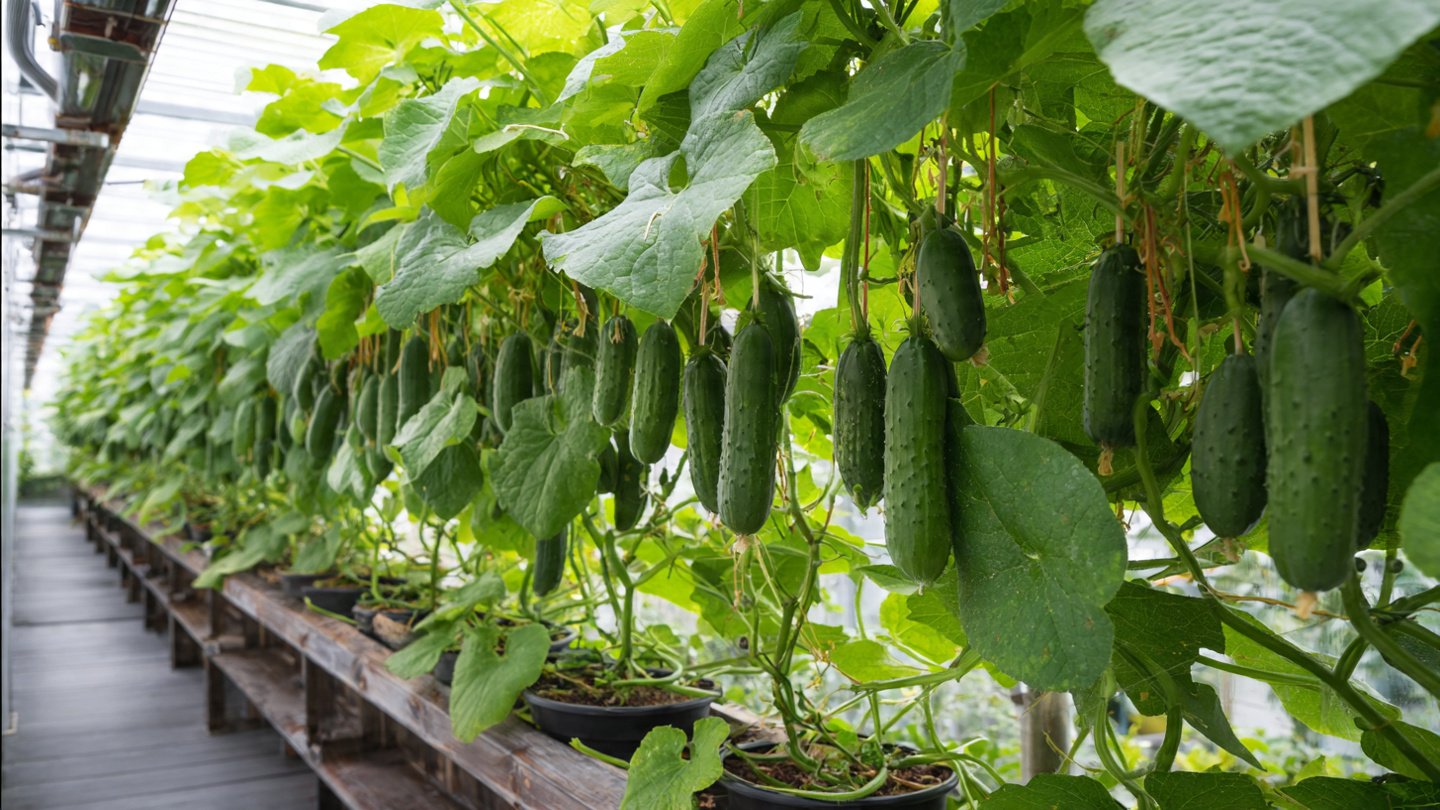
Balcony gardening has become increasingly popular among city dwellers looking to grow their own fresh produce without a backyard. Among the many vegetables you can grow in containers, cucumbers are a standout choice. They are refreshing, versatile in the kitchen, and surprisingly easy to cultivate even in small spaces. With the right techniques, you can transform your balcony into a mini cucumber farm and enjoy bountiful harvests throughout the growing season. This guide provides a simple, step-by-step approach to growing cucumbers in limited spaces while maximizing yield.
Why Grow Cucumbers on Your Balcony?
Growing cucumbers at home offers several advantages:
- Freshness and Flavor: Homegrown cucumbers are sweeter, crunchier, and more flavorful than store-bought varieties, often with a lower risk of pesticide residues.
- Space Efficiency: Cucumbers are ideal for vertical gardening and container planting, making them perfect for balconies.
- Cost-Effective: Seeds or seedlings are inexpensive, and a few plants can yield dozens of cucumbers.
- Sustainability: Growing your own cucumbers reduces plastic packaging and transportation waste associated with store-bought vegetables.
- Health Benefits: Cucumbers are rich in hydration, vitamins, and antioxidants, providing a fresh, healthy addition to your diet.
By growing cucumbers on your balcony, you combine convenience, sustainability, and nutrition while adding greenery and charm to your living space.
Step 1: Selecting the Right Cucumber Variety
Not all cucumbers are suitable for balcony gardens. Choosing the right variety ensures high yields and manageable growth.
Recommended Varieties for Containers
- Bush Varieties: Compact and suitable for pots; examples include ‘Bush Champion’ and ‘Spacemaster.’
- Vining Varieties: Ideal for vertical support; examples include ‘Marketmore 76’ and ‘Patio Snacker.’
- Mini Cucumbers: Small and manageable; examples include ‘Mini Munch’ and ‘Picklebush.’
Bush cucumbers are great if space is very limited, while vining types maximize vertical growth with trellises or walls.
Step 2: Choosing Containers for Balcony Cucumbers
Cucumbers need ample root space and good drainage. Choosing the right container is crucial.
Container Guidelines
- Size: Use pots at least 12–16 inches in diameter for a single cucumber plant. Larger containers support healthier root systems and bigger yields.
- Material: Plastic, clay, or fabric pots are suitable. Fabric grow bags allow better aeration and prevent overwatering.
- Drainage: Ensure containers have multiple drainage holes to prevent waterlogging and root rot.
If space is tight, consider stacked containers or railing planters, which make efficient use of vertical space.
Step 3: Preparing the Soil
Cucumbers are heavy feeders and require nutrient-rich soil.
Ideal Soil Mix
- Base: Use high-quality potting mix as a base.
- Compost: Mix in organic compost to supply essential nutrients.
- Perlite or Sand: Improves drainage and aeration.
Fertility Boost
- Cucumbers benefit from natural fertilizers like vermicompost, well-rotted manure, or compost tea.
- Avoid chemical fertilizers if possible, as balcony containers are sensitive and excess chemicals can harm plants.
Step 4: Planting Cucumbers
You can start cucumbers from seeds or seedlings.
From Seeds
- Soak seeds in water overnight to speed germination.
- Sow seeds ½ inch deep in small pots or seed trays.
- Keep the soil moist and warm (around 20–25°C).
- Germination occurs in 7–10 days.
From Seedlings
- Transplant healthy seedlings into larger containers once they develop 2–3 true leaves.
- Handle seedlings carefully to avoid damaging delicate roots.
Spacing in Containers
- For bush varieties: 1 plant per 12–16 inch pot.
- For vining varieties: 1 plant per 16–20 inch pot with trellis support.
Step 5: Vertical Support for Vining Cucumbers
Vining cucumber varieties grow best with vertical support, especially on balconies with limited floor space.
Trellis Options
- Wooden or metal trellis: Simple and sturdy.
- String or netting: Lightweight, easy to hang from balcony rails or ceilings.
- DIY bamboo frame: Affordable and eco-friendly solution.
Training the Vines
- Gently tie young vines to the trellis using soft string or plant ties.
- Regularly guide the vines upward to maximize space and prevent sprawling on the floor.
- Prune unnecessary side shoots to encourage larger fruit production.
Vertical growth also improves air circulation, reduces disease risk, and makes harvesting easier.
Step 6: Watering and Care
Cucumbers are thirsty plants and require consistent moisture.
Watering Tips
- Keep the soil consistently moist but not waterlogged.
- Water at the base of the plant to avoid wetting leaves, which can cause fungal diseases.
- During hot summer days, cucumbers may need daily watering in balcony containers.
Mulching
- Apply organic mulch such as straw, shredded leaves, or coco coir to retain soil moisture and prevent weeds.
- Mulching also helps regulate soil temperature in hot climates.
Fertilizing Naturally
- Use liquid compost or vermicompost tea every 2–3 weeks.
- High nitrogen fertilizer early in growth promotes leafy growth, while higher potassium during flowering encourages fruiting.
Step 7: Pollination
Cucumbers require pollination to produce fruit.
Pollination Tips
- If grown outdoors, natural pollinators like bees handle this automatically.
- For balconies with limited pollinator access, hand-pollinate using a soft brush or cotton swab, transferring pollen from male to female flowers.
- Female flowers have a small swelling at the base, which is the immature fruit.
Proper pollination ensures a higher number of healthy cucumbers.
Step 8: Pest and Disease Management Naturally
Cucumbers can attract pests or diseases if not carefully monitored.
Common Pests
- Aphids: Spray with mild soapy water or neem oil.
- Spider mites: Rinse leaves and maintain humidity.
- Whiteflies: Use yellow sticky traps or neem sprays.
Common Diseases
- Powdery mildew: White powder on leaves. Improve airflow and prune affected areas.
- Downy mildew: Yellow patches under leaves. Avoid overhead watering and maintain good sunlight.
Organic Solutions
- Companion planting with basil or marigolds deters pests naturally.
- Keep leaves dry and prune overcrowded sections to reduce fungal growth.
Step 9: Harvesting Cucumbers
Cucumbers are best harvested when tender and before seeds become hard.
Harvest Tips
- Pick cucumbers regularly, every 2–3 days, to encourage continuous production.
- Use a sharp knife or scissors to cut fruit from the vine, leaving a small stem attached.
- Overripe cucumbers left on the vine can slow down further production.
Expected Yield
- With proper care, a single cucumber plant can produce 10–15 fruits per season.
- Vertical growth and consistent care maximize yield, even in small spaces.
Step 10: Creative Balcony Cucumber Garden Ideas
- Hanging pots: Place small containers with bush cucumber varieties along the balcony railing.
- Vertical walls: Attach trellises to the wall and let vining cucumbers climb for a green, fresh-screen effect.
- Mixed planting: Combine cucumbers with herbs like mint, basil, or parsley for a functional and fragrant garden.
- Container rotation: Use mobile pots to adjust sunlight exposure during different seasons.
These techniques not only maximize harvest but also enhance the visual appeal of your balcony.
Benefits of Balcony Cucumber Gardening
- Fresh produce year-round: Enjoy homegrown cucumbers without trips to the market.
- Space efficiency: Even small balconies can yield multiple cucumbers with vertical techniques.
- Mental well-being: Gardening reduces stress and increases connection with nature.
- Sustainability: Reduces plastic packaging and transport emissions from store-bought cucumbers.
By creating a mini cucumber farm on your balcony, you gain fresh, healthy produce while enhancing your living environment.
Conclusion
Turning your balcony into a fresh cucumber farm is simpler than it seems. With the right variety, containers, soil, and vertical support, even limited spaces can yield abundant harvests. By following this simple method—selecting suitable varieties, planting in containers, providing vertical support, maintaining proper care, and harvesting regularly—you can enjoy the full benefits of homegrown cucumbers.
Not only does this method maximize your space, but it also promotes sustainable, chemical-free gardening while adding greenery to your urban living environment. Whether you’re a beginner or an experienced gardener, balcony cucumber farming is a rewarding and productive way to grow your own food, reduce stress, and savor fresh, flavorful cucumbers straight from your own mini-farm.
Start small, nurture your plants with love, and watch your balcony transform into a thriving cucumber oasis—proof that even the tiniest spaces can yield bountiful harvests with simple techniques.