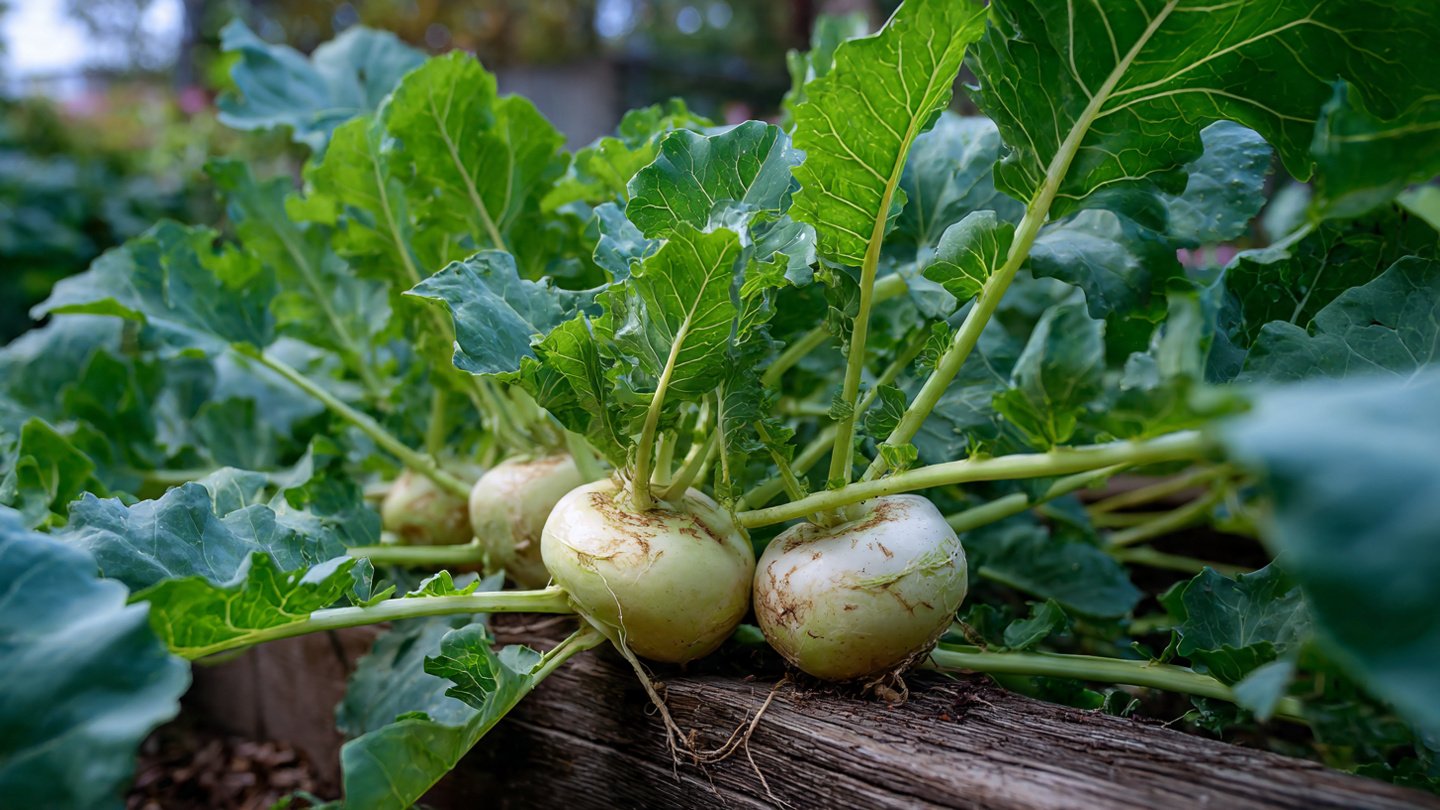
When it comes to sustainable gardening, sometimes the simplest kitchen scraps can transform your garden into a thriving, eco-friendly oasis. One of the most overlooked items is eggshells. While most people toss them into the trash, eggshells are rich in calcium and other minerals that can help your plants flourish. Combining this natural resource with easy-to-grow vegetables like kohlrabi can make your garden both productive and environmentally friendly.
Kohlrabi, often referred to as the “German turnip,” is a crisp, flavorful vegetable that belongs to the cabbage family. Its edible stem bulb and leafy greens are packed with vitamins and minerals, making it a nutritious addition to any meal. With proper care, kohlrabi grows quickly and is well-suited to home gardens, container gardens, and small spaces. Using eggshells as a soil amendment or planting aid takes your kohlrabi-growing efforts to the next level.
This article explores how to grow kohlrabi sustainably using eggshells, highlighting practical techniques, environmental benefits, and tips for maximum yield.
Why Kohlrabi Is Perfect for Home Gardens
Kohlrabi is a versatile vegetable with many advantages for gardeners:
- Fast Growth: Most kohlrabi varieties mature in 55–70 days, allowing multiple harvests per season.
- Cold-Hardy: Kohlrabi can tolerate light frost, making it ideal for spring and fall gardens.
- Nutritional Value: It’s rich in vitamins C and B6, fiber, potassium, and antioxidants.
- Dual Harvest: You can eat both the swollen stem and the leaves, reducing waste.
- Compact Growth: Its upright growth habit is suitable for garden beds, raised beds, or containers.
By combining kohlrabi cultivation with sustainable practices like eggshell recycling, you create a nutrient-rich, environmentally responsible garden.
The Benefits of Using Eggshells in Your Garden
Eggshells may seem like simple waste, but they are packed with nutrients and practical uses for gardening:
1. Natural Calcium Source
Eggshells are rich in calcium carbonate, which strengthens plant cell walls and supports healthy growth. Calcium deficiency in plants often results in blossom-end rot, weak stems, or slow growth, all of which eggshells can help prevent.
2. Soil Amendment
Crushed eggshells improve soil aeration and drainage, especially in clay-heavy soils. They slowly release minerals, enhancing soil structure and fertility over time.
3. Pest Deterrent
Sprinkling crushed eggshells around the base of kohlrabi can help deter soft-bodied pests like slugs and snails, which dislike crawling over sharp, jagged surfaces.
4. Compost Booster
Adding eggshells to compost increases calcium content and balances nitrogen-rich materials, creating a well-rounded, nutrient-dense compost for all your plants.
By incorporating eggshells into your gardening routine, you reduce waste, enhance soil fertility, and naturally protect your crops—making your garden more sustainable and productive.
Preparing Eggshells for Your Garden
Before using eggshells in your garden, it’s essential to prepare them properly to maximize their benefits:
- Clean the Shells: Rinse eggshells to remove any egg residue, preventing odor or attracting pests.
- Dry Thoroughly: Let shells air-dry or bake them in the oven at 200°F (93°C) for 10–15 minutes to sterilize.
- Crush or Grind: Crush shells into small pieces or grind them into powder. Powdered eggshells release nutrients faster, while larger pieces gradually improve soil structure.
- Optional Seed Starter: Half eggshells can serve as mini seed pots for starting kohlrabi seeds indoors.
Pro Tip: Save eggshells in a jar or container, and once you accumulate enough, you can prepare a batch for planting season.
Starting Kohlrabi Seeds in Eggshells
Eggshells can double as eco-friendly seed starters for kohlrabi. This method reduces waste and gives seedlings a strong start. Here’s how:
Materials Needed
- Cleaned, halved eggshells
- Seed-starting soil mix
- Kohlrabi seeds
- Egg carton for support
Steps
- Place the halved eggshells in an egg carton to keep them upright.
- Fill each shell with a light, well-draining seed-starting mix.
- Plant 1–2 kohlrabi seeds per shell, about ¼ inch deep.
- Water gently to moisten the soil without flooding it.
- Place the carton in a sunny windowsill or under grow lights.
- Keep soil consistently moist until seedlings sprout in 7–10 days.
Once seedlings develop a few true leaves, transplant the entire eggshell into your garden bed. The eggshell will decompose naturally, adding calcium to the soil and reducing transplant shock.
Planting Kohlrabi in Garden Beds
Whether started in eggshells or sown directly in the garden, proper planting techniques ensure healthy growth:
- Choose the Location: Kohlrabi prefers full sun and well-draining soil. Raised beds or slightly mounded garden beds are ideal.
- Soil Preparation: Loosen soil to a depth of 12–15 inches and amend with compost or organic matter. Mix in crushed eggshells or powdered eggshells for added calcium.
- Spacing: Plant kohlrabi 6–12 inches apart, depending on the variety. Adequate spacing prevents overcrowding and allows proper bulb development.
- Plant Depth: Transplant seedlings so the base of the stem is slightly above soil level.
Pro Tip: Interplanting with herbs or flowers, like marigolds or nasturtiums, can improve pollination and repel pests naturally.
Caring for Kohlrabi
Kohlrabi is low-maintenance, but a few key practices maximize yield and quality:
1. Watering
- Keep soil consistently moist but not waterlogged.
- Deep, regular watering encourages bulb growth.
- Mulching helps retain moisture and suppress weeds.
2. Fertilization
- Use a balanced organic fertilizer or compost tea every 3–4 weeks.
- Avoid excessive nitrogen, which promotes leaf growth over bulb development.
3. Pest Control
- Eggshelled mulch helps deter slugs and snails.
- Monitor for aphids or cabbage worms, and remove them manually or use organic solutions like neem oil.
4. Thinning and Harvesting
- Thin seedlings to avoid overcrowding, allowing bulbs to grow properly.
- Harvest kohlrabi when bulbs are 2–3 inches in diameter for tender, flavorful results.
- Leaves can also be harvested for cooking or salads.
Sustainability Benefits
Using eggshells and growing kohlrabi contributes to sustainable gardening in multiple ways:
- Reduces Kitchen Waste: Instead of discarding eggshells, you create a natural fertilizer.
- Promotes Organic Gardening: Avoid synthetic fertilizers and pesticides by relying on natural methods.
- Supports Soil Health: Crushed eggshells improve soil structure and nutrient content.
- Encourages Eco-Friendly Practices: Starting seeds in eggshells reduces plastic use from traditional seed trays.
By incorporating these simple techniques, your garden becomes both productive and environmentally responsible.
Culinary and Nutritional Value of Kohlrabi
Once harvested, kohlrabi is versatile and nutritious:
- Raw: Add thin slices to salads or slaws for a crisp texture.
- Cooked: Roast, steam, or sauté for a mild, slightly sweet flavor.
- Leaves: Sauté like kale or spinach for additional nutrients.
Kohlrabi’s high vitamin C content and fiber make it a healthy, home-grown choice for families.
Conclusion
Growing kohlrabi the easy and sustainable way is possible with simple techniques and a bit of creativity. By recycling eggshells as a natural fertilizer, seed starter, or pest deterrent, you transform ordinary kitchen waste into a valuable resource that enhances your garden. Kohlrabi, with its fast growth, compact form, and nutritional value, pairs perfectly with this eco-friendly approach, making it an excellent addition to any home garden.
From planting seedlings in eggshells to harvesting crisp, flavorful bulbs, this method reduces waste, improves soil health, and encourages sustainable gardening practices. Whether you’re a beginner or an experienced gardener, incorporating eggshells and kohlrabi into your flower and vegetable beds ensures a productive, beautiful, and environmentally conscious garden.
Start saving your eggshells today, plant kohlrabi in your garden beds, and enjoy the satisfaction of growing food sustainably while reducing waste. Your garden—and your meals—will thank you!