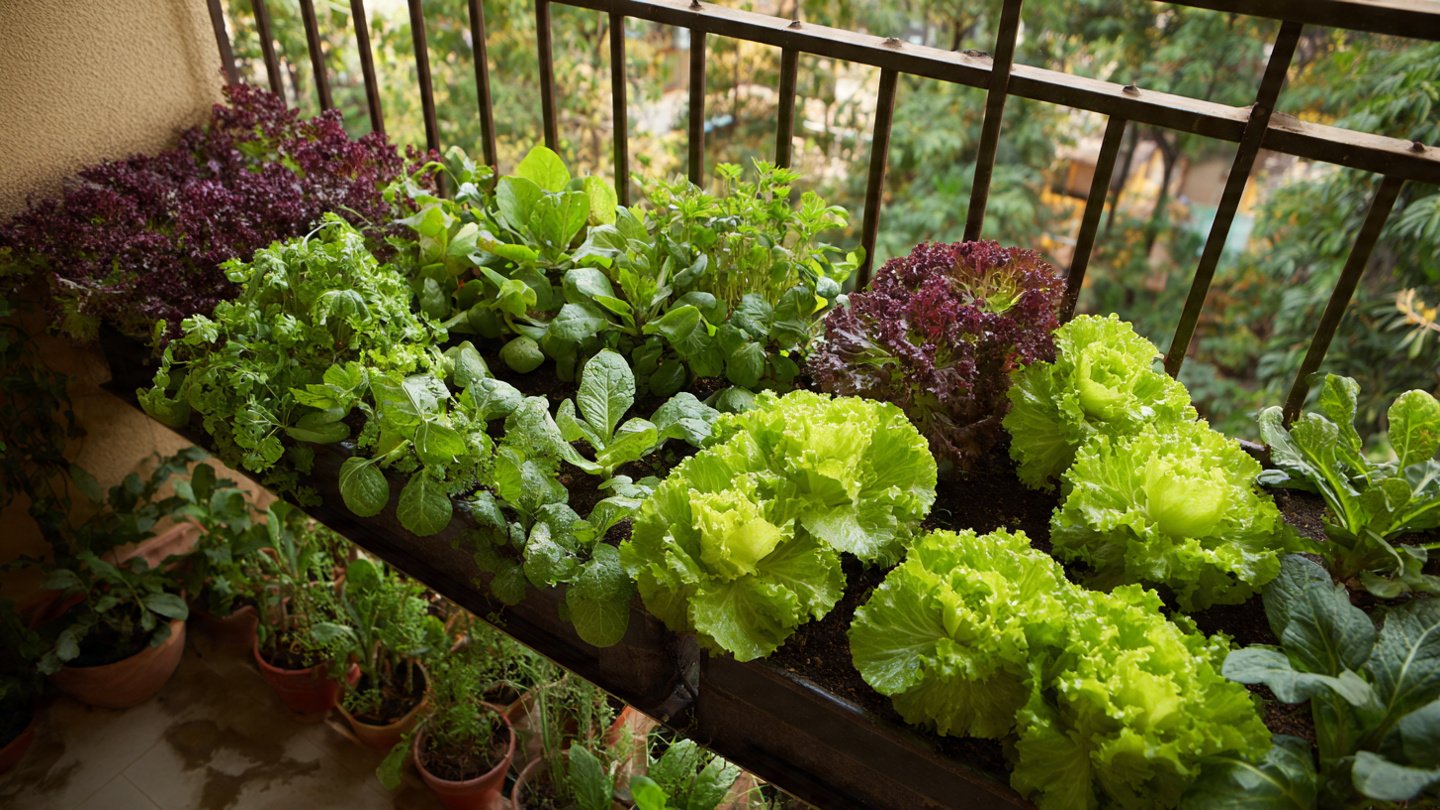
In today’s fast-paced urban lifestyle, many people feel disconnected from nature, food, and even themselves. Apartments rise higher, living spaces shrink, and the idea of growing your own vegetables often feels like a luxury reserved for those with gardens and land. But there’s a quiet revolution happening just outside apartment doors—on balconies. Balcony farming is proving that you don’t need a backyard to grow fresh food, improve your health, and transform your daily life.
Growing vegetables on a balcony is more than a hobby. It’s a lifestyle shift that brings physical health, mental peace, sustainability, and a sense of purpose into everyday living. With a few pots, some soil, and sunlight, a small balcony can become a powerful source of nourishment and joy.
What Is Balcony Farming?
Balcony farming is the practice of growing vegetables, herbs, and sometimes fruits in containers on balconies or small outdoor spaces. It uses pots, grow bags, recycled containers, vertical setups, and hanging planters to maximize limited space.
This form of urban farming is ideal for apartment dwellers, renters, and anyone without access to a traditional garden. Whether your balcony is large or small, open or partially shaded, it can be adapted to grow food with thoughtful planning.
Why Balcony Farming Is Gaining Popularity
As people become more conscious about what they eat and how it’s produced, balcony farming offers a practical solution. Rising food costs, concerns about pesticides, and the desire for fresh, organic produce motivate many to grow their own vegetables.
Balcony farming also fits perfectly into modern life. It requires minimal investment, offers flexible growing options, and allows people to start small and expand gradually. Even a few pots of herbs or greens can make a noticeable difference.
How Growing Vegetables Improves Physical Health
One of the most obvious benefits of balcony farming is access to fresh, chemical-free vegetables. Homegrown produce is often more nutritious because it’s harvested at peak ripeness and consumed quickly.
Growing your own vegetables encourages healthier eating habits. When fresh greens, tomatoes, or peppers are just a few steps away, people naturally incorporate more vegetables into their meals. Gardening itself also involves light physical activity—watering, pruning, and tending plants—which supports mobility and overall wellness.
The Mental and Emotional Benefits of Balcony Farming
Beyond physical health, balcony farming has a powerful impact on mental well-being. Spending time with plants reduces stress, anxiety, and mental fatigue. The simple act of caring for living things provides a sense of calm and focus in an otherwise busy world.
Watching seeds sprout and plants grow gives a sense of achievement and purpose. Many people find that their balcony garden becomes a personal retreat—a quiet space to breathe, reflect, and recharge.
Reconnecting With Nature in Urban Spaces
City life often limits our connection to natural cycles. Balcony farming restores that connection by bringing nature back into daily routines. You become more aware of seasons, weather patterns, and the rhythm of growth.
This connection fosters mindfulness. Simple tasks like checking soil moisture or observing new leaves encourage presence and patience. Over time, balcony farming reshapes how you relate to time and productivity, replacing constant urgency with steady progress.
Saving Money and Reducing Food Waste
While balcony farming may not replace grocery shopping entirely, it can significantly reduce food costs over time. Herbs, leafy greens, and frequently used vegetables can be expensive to buy regularly, but growing them at home cuts those costs.
Home gardening also reduces food waste. You harvest only what you need, when you need it. Wilted greens and unused herbs become a thing of the past, replaced by fresh ingredients picked moments before cooking.
Supporting Sustainable Living
Balcony farming supports sustainability in multiple ways. It reduces reliance on commercially grown produce, which often involves long transportation routes, plastic packaging, and chemical inputs.
Many balcony farmers use recycled containers, compost kitchen waste, and practice water-efficient watering methods. These small actions add up, reducing environmental impact while promoting eco-friendly habits.
How Balcony Farming Builds Self-Reliance and Confidence
Growing vegetables at home fosters a sense of independence. Knowing that you can produce some of your own food builds confidence and resilience. Even small harvests carry deep satisfaction because they represent skills learned and effort invested.
For beginners, balcony farming is an empowering experience. Each successful plant builds knowledge, turning uncertainty into confidence and curiosity.
Choosing the Right Vegetables for Balcony Farming
Not all vegetables are suited to balconies, but many thrive in containers. Leafy greens like spinach, lettuce, and kale grow quickly and require minimal space. Herbs such as basil, mint, cilantro, and parsley are ideal for small pots.
Vegetables like tomatoes, peppers, beans, radishes, and green onions adapt well to balcony conditions with sufficient sunlight. Starting with easy, fast-growing plants helps beginners build momentum.
Making the Most of Small Spaces
Balcony farming encourages creative use of space. Vertical gardening, hanging planters, railing boxes, and tiered shelves allow more plants without crowding the floor.
By thinking vertically, even a narrow balcony can support a productive mini-farm. With thoughtful placement, sunlight and airflow can be optimized for healthy growth.
Learning Patience and Responsibility
Plants teach lessons that extend beyond gardening. Balcony farming nurtures patience, consistency, and responsibility. Plants respond to care and neglect honestly, offering feedback without judgment.
These lessons often carry into other areas of life, improving time management, attention to detail, and emotional balance.
Balcony Farming as a Family and Community Activity
Balcony farming can bring families closer together. Children learn where food comes from, develop responsibility, and experience the joy of harvesting something they helped grow.
Sharing produce, seeds, or gardening tips with neighbors builds community and connection. Even in dense urban environments, balcony farming creates opportunities for shared experiences.
Overcoming Common Challenges
Balcony farming isn’t without challenges. Limited sunlight, space constraints, and weather exposure can affect plant growth. However, these challenges encourage problem-solving and creativity.
Using grow lights, choosing shade-tolerant plants, and protecting plants from extreme weather can overcome most obstacles. With time, balcony farmers learn to adapt and thrive.
A Small Balcony, A Big Life Change
Balcony farming proves that transformation doesn’t require drastic change. A few pots, seeds, and daily care can reshape how you eat, think, and live. It brings nature into your home, encourages healthier habits, and creates moments of peace in busy lives.
Growing vegetables on a balcony is not just about food—it’s about reconnecting with yourself, the environment, and the simple joy of growth. One plant at a time, balcony farming has the power to transform your life in ways far beyond what its small space suggests.