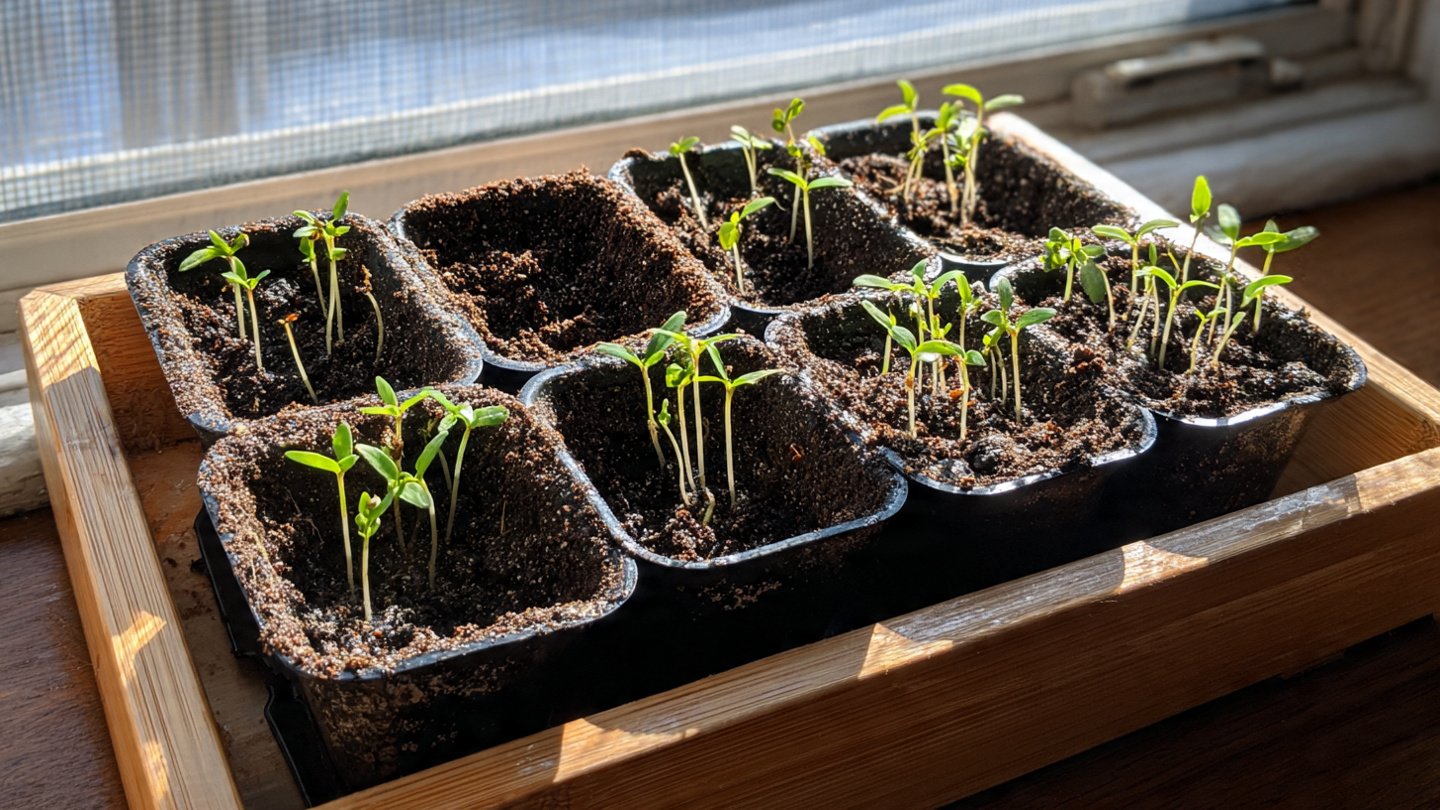
Starting plants from seeds can be one of the most rewarding experiences for any gardener. There’s something magical about watching tiny seeds sprout into vibrant seedlings ready to thrive outdoors. But you don’t need fancy kits or expensive equipment to get started. In fact, you can create effective seed-starting setups using everyday items you already have at home. These setups are perfect for indoor gardening, especially if you want to get a head start on spring planting or grow herbs and vegetables year-round.
Here are 8 easy seed-starting setups using items you already own, along with tips for success, so you can turn your kitchen, living room, or balcony into a mini greenhouse.
1. Egg Cartons: A Classic Seed Starter
Egg cartons are a tried-and-true method for starting small seeds. They’re lightweight, biodegradable, and perfect for controlling moisture levels.
How to Use:
- Cut the lid off and poke drainage holes in the bottom of each cup.
- Fill each compartment with seed-starting soil or a mix of potting soil and compost.
- Plant 1–2 seeds per cup and lightly cover them with soil.
- Keep the carton in a shallow tray to catch excess water.
Tips for Success:
- When seedlings are ready to transplant, cut the individual cups apart. If using cardboard cartons, they can go directly into the soil—they’ll break down naturally.
- Avoid using cartons that previously held eggs with strong odors, as this may affect seed germination.
Egg cartons work particularly well for herbs, lettuce, and small flowers.
2. Yogurt Cups and Small Containers
Empty yogurt cups, takeout containers, or any small plastic container with a lid can make excellent mini-greenhouses.
How to Use:
- Wash and clean containers thoroughly.
- Poke a few small drainage holes in the bottom.
- Fill with seed-starting mix, plant your seeds, and water lightly.
- Cover loosely with the lid or plastic wrap to maintain humidity.
Tips for Success:
- Clear containers allow light to reach seedlings, helping them grow strong and healthy.
- Remove the lid once seedlings sprout to prevent mold and provide airflow.
These containers are ideal for seeds that need warmth and consistent moisture, like tomatoes, peppers, or eggplants.
3. Recycled Plastic Bottles: Mini Greenhouses
Plastic bottles can be transformed into mini-greenhouses that protect seeds and retain moisture. This is especially useful for larger seedlings or longer-growing crops.
How to Use:
- Cut a bottle in half horizontally.
- Fill the bottom half with soil and plant seeds.
- Place the top half over the bottom as a dome.
- Keep in a sunny window and remove occasionally for air circulation.
Tips for Success:
- Use clear plastic for maximum light.
- Make small slits or holes in the dome for ventilation to avoid overheating.
This method works well for sun-loving plants like basil, peppers, and cucumbers.
4. Muffin Tins and Baking Trays
Muffin tins are perfect for starting multiple seeds at once. They allow for organized spacing and easy monitoring of seedlings.
How to Use:
- Line muffin cups with paper towels, coffee filters, or even small pieces of sponge for easy cleanup.
- Fill each cup with seed-starting soil.
- Plant seeds according to package instructions.
- Place the tray in a shallow dish to catch extra water.
Tips for Success:
- Metal tins may dry out quickly; consider using a tray liner or covering with plastic wrap.
- Label each cup if planting multiple seed types to avoid confusion.
Muffin tins are especially helpful for gardeners who want to start a variety of herbs or flowers at once.
5. Toilet Paper Rolls: Eco-Friendly Seed Pods
Toilet paper rolls are biodegradable and make great seed-starting containers, especially for deep-rooted plants.
How to Use:
- Cut the rolls in half and fold the bottom slightly to create a base.
- Fill with seed-starting soil.
- Plant seeds and water lightly.
- Transplant directly into the garden when seedlings are ready—the cardboard will decompose.
Tips for Success:
- Keep rolls upright in a shallow tray to prevent tipping.
- Choose fast-germinating seeds like radishes, carrots, or marigolds.
Toilet paper rolls are perfect for gardeners looking for sustainable, zero-waste options.
6. Ice Cube Trays: Small and Efficient
Ice cube trays are excellent for tiny seeds that require minimal soil. They’re compact and allow for easy seed monitoring.
How to Use:
- Fill each compartment with seed-starting mix.
- Plant one or two seeds per cell.
- Water gently and cover with a clear lid or plastic wrap.
Tips for Success:
- Ensure proper drainage by poking holes in the bottom or using a shallow tray.
- Seedlings can be transplanted by gently squeezing the soil out of each compartment.
Ice cube trays are great for fast-growing herbs like chives, cilantro, or basil.
7. Tin Cans and Food Containers
Empty tin cans or food containers can double as durable seed-starting pots, especially for larger seedlings or outdoor starts.
How to Use:
- Wash cans thoroughly and remove labels.
- Punch 2–3 drainage holes at the bottom.
- Fill with soil, plant seeds, and water lightly.
- Place cans on a sunny windowsill or under grow lights.
Tips for Success:
- Wrap cans in aluminum foil or paint them for a decorative touch.
- Be careful when handling metal edges to avoid cuts.
This setup is excellent for strong seedlings like tomatoes, peppers, or eggplants, which require more root space.
8. Plastic Takeout Boxes: DIY Seed Greenhouse
If you have extra plastic takeout boxes, they can serve as small, reusable greenhouses. The lid helps maintain humidity while letting light in.
How to Use:
- Poke a few small drainage holes in the bottom.
- Fill with seed-starting soil.
- Plant seeds and water lightly.
- Close the lid to create a humid environment, opening occasionally for air circulation.
Tips for Success:
- Keep the boxes in a bright area but out of direct sunlight.
- Label each box for easy identification.
Takeout boxes are ideal for gardeners starting multiple varieties of plants in limited space.
General Tips for Successful Seed Starting
- Use the Right Soil: A light, well-draining seed-starting mix works best. Avoid heavy garden soil, which can inhibit germination.
- Provide Adequate Light: Seedlings need 12–16 hours of light daily. If natural light is insufficient, use LED or fluorescent grow lights.
- Keep Soil Moist: Mist lightly to avoid washing seeds away. Soil should remain consistently damp but not waterlogged.
- Maintain Warmth: Most seeds germinate best between 20–25°C (68–77°F). Use sunny windowsills, heat mats, or even the warmth of kitchen counters.
- Thin Seedlings: Once sprouts appear, thin them to one per container to avoid overcrowding and promote healthy growth.
- Harden Off Seedlings: Before transplanting outdoors, gradually acclimate seedlings to outdoor conditions over a week to prevent shock.
Benefits of Using Everyday Items
- Cost-effective: Reuse items instead of buying expensive kits.
- Eco-friendly: Reduce waste by repurposing materials.
- Customizable: Adapt containers to suit the size and type of seeds.
- Fun and Educational: A great activity for kids and beginners, teaching about plant life cycles.
Final Thoughts
Starting seeds at home doesn’t need to be expensive or complicated. By using everyday items like egg cartons, yogurt cups, toilet paper rolls, or even takeout containers, you can create an effective and efficient seed-starting setup. These DIY solutions save money, reduce waste, and offer the perfect opportunity to nurture plants from the very beginning of their life cycle.
Whether you’re growing herbs, flowers, or vegetables, these 8 easy setups are ideal for indoor gardening enthusiasts who want to experiment, learn, and enjoy the process. With proper care, your seedlings will grow strong, healthy, and ready to transform your garden into a lush, thriving space.
So look around your home, gather those recyclable containers, and start sowing today—your future garden will thank you!