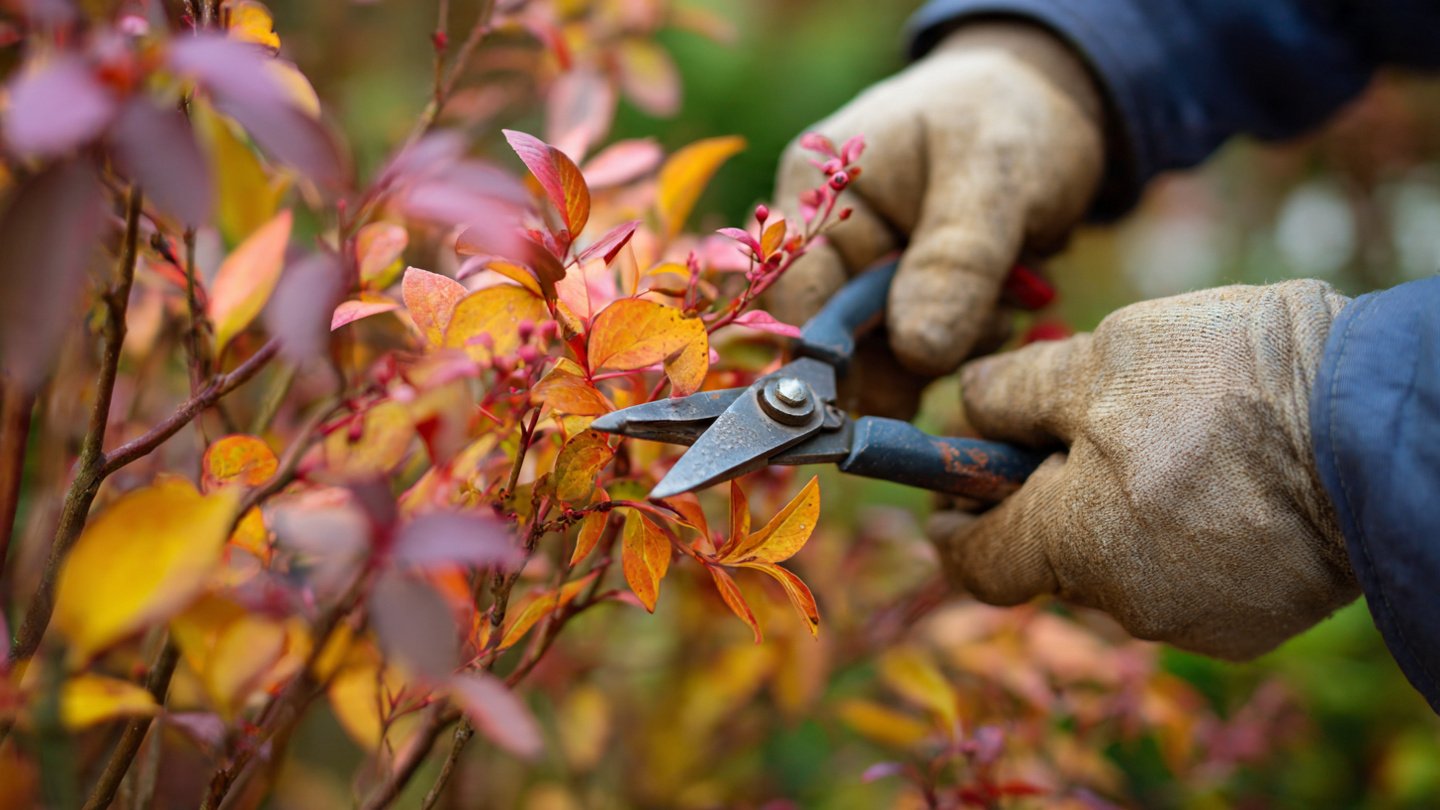
As the vibrant hues of summer fade and the crisp air of fall arrives, many gardeners wonder about the right time to prune their plants. Pruning is a key technique to maintain plant health, encourage growth, and shape landscapes, but timing is everything. While spring and summer are often highlighted for pruning, fall pruning is ideal for certain species, preparing them for winter dormancy and a strong comeback in the spring. At the same time, pruning some plants in the fall can do more harm than good.
In this guide, we’ll explore six plants that benefit from fall pruning and three that are best left alone until spring, helping you make smart gardening decisions.
Why Prune in the Fall?
Pruning in the fall may seem counterintuitive, as many plants are entering dormancy. However, fall pruning offers several advantages for certain species:
- Health Maintenance: Removing dead, diseased, or damaged branches before winter reduces the risk of decay and pest infestation.
- Structural Improvement: Pruning shapes plants and removes weak branches, reducing the risk of breakage under snow or ice.
- Encouraging Spring Growth: Some plants benefit from pruning in the fall because it stimulates root energy storage, leading to robust spring growth.
- Easier Observation: With leaves dropping on deciduous plants, branch structure is easier to see, making pruning more precise.
While these benefits make fall pruning useful for certain plants, it’s important to note that not all plants respond well to pruning this time of year. Timing and plant type matter.
6 Plants to Prune in the Fall
1. Roses (Certain Types)
While heavy pruning is usually reserved for late winter or early spring, removing dead, diseased, or crossing stems in the fall can protect roses during winter.
- Why: Deadwood removal prevents disease and reduces areas where pests can overwinter.
- How: Cut only damaged or weak branches; leave strong stems for winter protection.
- Tip: Avoid heavy shaping in the fall; major pruning should wait until late winter when plants are fully dormant.
Fall maintenance ensures healthier roses in spring, with less risk of winter damage.
2. Fruit Trees (Apples, Pears, Plums)
Late fall, after leaves have dropped, is an excellent time to prune many deciduous fruit trees.
- Why: Pruning during dormancy reduces the risk of disease spread and allows you to see the structure clearly.
- How: Remove dead, damaged, or crossing branches. Thin crowded areas to allow sunlight and air penetration.
- Tip: Avoid pruning in early fall when sap is still moving; wait until after leaves drop and temperatures drop slightly.
Fall pruning helps fruit trees develop stronger frameworks for fruit production in the next season.
3. Shrubs Like Hydrangeas (Non-Reblooming Varieties)
Certain hydrangea varieties, like bigleaf (Hydrangea macrophylla) and oakleaf hydrangeas, benefit from light pruning in the fall.
- Why: Removing dead or weak stems reduces winter damage and shapes the shrub.
- How: Trim only damaged or dead branches; avoid cutting healthy buds meant for next season’s blooms.
- Tip: For reblooming hydrangeas (like paniculata), wait until after flowering or late winter to avoid cutting next year’s buds.
Fall pruning ensures healthier, more resilient shrubs come spring.
4. Grape Vines
Fall pruning is common for grape vines, especially for those in colder climates.
- Why: Dormant pruning prepares vines for winter and encourages stronger spring growth.
- How: Remove dead, weak, or diseased canes. Cut back main branches according to your training system (cordon or spur pruning).
- Tip: Avoid cutting too late in the season if heavy frost has begun; frozen branches are brittle and can break.
Proper fall pruning improves air circulation, fruit quality, and overall vine health.
5. Perennials That Die Back Naturally
Plants like hostas, daylilies, and ornamental grasses can benefit from fall pruning.
- Why: Cutting back dead foliage reduces the risk of pests and disease over winter and creates a tidy garden.
- How: Remove yellowed or dead leaves, leaving about 1–2 inches above the soil.
- Tip: Leave ornamental grasses with seed heads if you want winter interest or to feed birds.
Fall cleanup prepares beds for mulch and fresh spring growth.
6. Deciduous Trees (Maple, Oak, Birch)
Late fall or early winter pruning for deciduous trees is effective because the tree is dormant.
- Why: Dormant pruning minimizes sap loss, reduces stress, and allows you to see branch structure without foliage.
- How: Remove dead or crossing branches and thin crowded areas.
- Tip: Avoid pruning in early fall while leaves are still green; wait until after leaf drop.
Dormant pruning encourages stronger branch structure and reduces risk of winter limb damage.
3 Plants You Should Skip in the Fall
While fall pruning works for some plants, others are best left untouched until spring. Pruning at the wrong time can reduce flowering, damage stems, or increase susceptibility to cold.
1. Spring-Flowering Shrubs (Forsythia, Lilac, Azalea)
- Why Not: These plants form flower buds on old wood in summer. Pruning in the fall removes next season’s blooms.
- Tip: Wait until after flowering in spring to prune.
Pruning in fall can result in a disappointing season of missed flowers.
2. Evergreens (Pine, Spruce, Fir, Boxwood)
- Why Not: Fall pruning stimulates new growth, which may not harden before winter, leaving the plant vulnerable to frost damage.
- Tip: Prune in late winter or early spring when plants are dormant and risk of cold damage is lower.
Light shaping can be done, but avoid major cuts in fall.
3. Tender Annuals (Petunias, Marigolds, Impatiens)
- Why Not: Annuals are already completing their life cycle and don’t benefit from fall pruning. Cutting them back may simply remove remaining flowers and leaves.
- Tip: Leave these plants to die back naturally or remove them entirely to make room for winter plantings.
Focus fall pruning on perennials and woody plants instead.
General Fall Pruning Tips
- Use Clean, Sharp Tools: Avoid spreading disease and make precise cuts.
- Avoid Heavy Pruning on Certain Plants: Some perennials and shrubs may be stressed if pruned too aggressively.
- Focus on Dead, Diseased, or Damaged Wood: Especially for fall pruning, these cuts prevent winter damage.
- Consider Climate: In very cold climates, wait until after the first frost to minimize winter injury.
- Mulch After Pruning: Protect roots from temperature fluctuations and retain soil moisture.
Following these guidelines ensures that your fall pruning is effective and safe for plant health.
Final Thoughts
Fall is an excellent time for pruning certain plants, particularly deciduous trees, dormant fruit trees, hardy perennials, and select shrubs. By removing dead or damaged branches, you prepare plants for winter dormancy, improve air circulation, and reduce the risk of disease. At the same time, knowing which plants to avoid pruning—such as spring-flowering shrubs, evergreens, and tender annuals—ensures that you don’t accidentally reduce blooms or expose plants to frost damage.
Whether you are a seasoned gardener or a beginner, understanding what to prune and what to skip in the fall is crucial for maintaining a healthy, vibrant garden year-round. A thoughtful approach to pruning now means stronger, more resilient plants, vibrant flowers in the spring, and a garden that’s ready to thrive in every season. 🌿