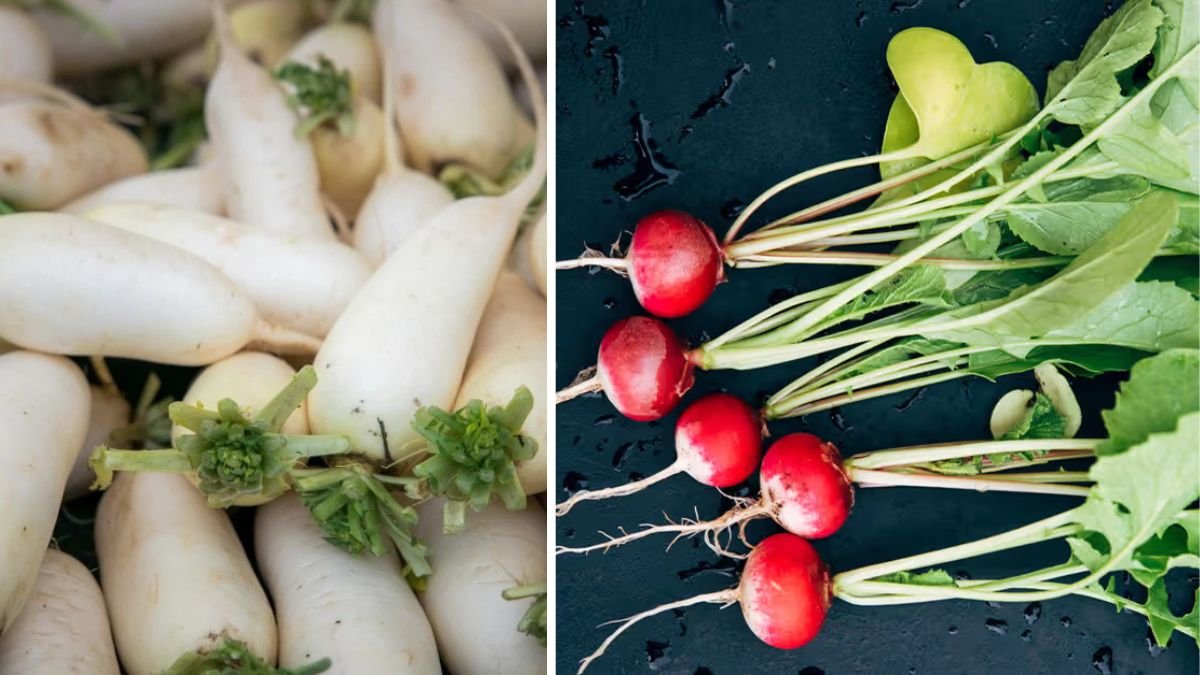
Muli, also known as radish, is a humble root vegetable that has been valued for centuries not just for its crisp, peppery flavor, but also for its remarkable health benefits. Whether you enjoy it raw in salads, pickled as a side, or cooked in various dishes, radish is a nutritional powerhouse that can play a significant role in a healthy diet. From promoting digestion to supporting immunity, these crunchy roots have more to offer than meets the eye. Let’s explore six of the most compelling health benefits of muli or radish.
1. Supports Digestive Health
One of the primary benefits of consuming radish is its positive impact on digestion. Radishes are high in fiber, which adds bulk to the stool and facilitates smoother bowel movements. Fiber also helps prevent constipation and promotes overall gut health by supporting the growth of beneficial gut bacteria.
- Enzyme Content: Radishes contain natural enzymes that aid in breaking down complex carbohydrates, proteins, and fats, making digestion easier.
- Hydration: With a high water content of around 95%, radishes help keep the digestive tract hydrated, reducing bloating and discomfort.
Incorporating radishes into your daily diet, whether in salads, soups, or fermented forms like pickles, can contribute significantly to maintaining a healthy digestive system.
2. Boosts Immunity
Radishes are rich in vitamin C, a vital nutrient known for its immune-boosting properties. Vitamin C stimulates the production of white blood cells, which are crucial in fighting infections and diseases. Regular consumption of radish can help your body defend against common colds, flu, and other infections.
- Antioxidants: Beyond vitamin C, radishes contain various antioxidants such as catechin, pyrogallol, and vitamin A, which neutralize harmful free radicals in the body.
- Anti-inflammatory Compounds: Compounds in radish help reduce inflammation, which can otherwise compromise immune function.
By adding radish to your diet, you provide your body with natural defenses, enhancing your overall resilience to illnesses.
3. Supports Liver Health
Radish has long been recognized in traditional medicine for its detoxifying properties, particularly in supporting liver function. The liver is responsible for filtering toxins from the body, and radish can assist this vital organ in several ways:
- Stimulates Bile Production: Radishes encourage the production of bile, a substance that aids in digestion and the removal of toxins.
- Cleansing Effect: Compounds like anthocyanins and glucosinolates found in radishes help neutralize free radicals and detoxify the liver.
- Reduces Fat Accumulation: Studies suggest that radishes may help prevent the buildup of fat in the liver, supporting overall liver health.
Regular consumption of radish, especially in raw or lightly cooked forms, can enhance liver function and contribute to a cleaner, healthier system.
4. Aids in Weight Management
For those seeking to manage or reduce weight, radishes can be an excellent dietary addition. They are low in calories but high in fiber and water, which promotes a feeling of fullness and reduces overeating.
- Low-Calorie Snack: One cup of sliced radishes contains just around 18 calories, making them a guilt-free addition to meals or snacks.
- Regulates Appetite: Fiber slows down digestion and prolongs satiety, helping you avoid frequent snacking.
- Boosts Metabolism: Certain compounds in radish, including antioxidants and phytonutrients, can enhance metabolism, supporting calorie burning.
Including radishes in salads, smoothies, or as crunchy snacks can help maintain a healthy weight without compromising nutrition.
5. Helps Control Blood Pressure
Radish contains potassium, a mineral that plays a crucial role in maintaining healthy blood pressure levels. Potassium helps balance sodium levels in the body, relaxes blood vessels, and improves blood flow.
- Reduces Hypertension Risk: Diets rich in potassium have been linked to a lower risk of hypertension and cardiovascular problems.
- Promotes Heart Health: By supporting proper blood pressure and circulation, radish consumption contributes to overall cardiovascular wellness.
- Antioxidant Protection: Radishes’ antioxidants help prevent oxidative stress in blood vessels, reducing the risk of plaque buildup.
Regular inclusion of radish in your diet, combined with a balanced intake of other vegetables and fruits, can help maintain optimal blood pressure and heart health.
6. Supports Skin Health
Healthy skin is often a reflection of overall health, and radish can be a natural ally in maintaining clear, vibrant skin. Its nutrient profile supports skin health in multiple ways:
- Vitamin C: As an antioxidant, vitamin C promotes collagen production, which is essential for skin elasticity and preventing premature aging.
- Hydration: The high water content helps keep the skin hydrated and glowing.
- Detoxifying Effects: By supporting liver function and eliminating toxins, radish indirectly helps reduce skin issues such as acne or dullness.
- Anti-inflammatory Properties: Compounds in radish help calm inflammation, which can reduce redness and irritation in the skin.
Whether consumed in salads, juices, or incorporated into homemade skin masks, radish provides both internal and external benefits for healthy, radiant skin.
How to Incorporate Radish into Your Diet
To maximize the health benefits of radish, it’s essential to include it in various forms in your diet:
- Raw in Salads: Sliced or grated radishes add a crunchy, peppery flavor to fresh salads.
- Pickled: Fermented radish pickles are rich in probiotics, enhancing gut health while adding flavor.
- Juice: Radish juice combined with carrot or beetroot can be a refreshing, nutrient-dense drink.
- Cooked: Lightly steaming or sautéing radish preserves most nutrients while softening the spicy flavor.
- Sprouts: Radish sprouts are packed with nutrients and can be added to sandwiches or wraps for extra crunch.
By varying how you consume radish, you can enjoy its diverse benefits without getting bored of its taste.
Additional Tips for Maximizing Benefits
- Eat Fresh: Nutrients in radish degrade over time, so try to consume them fresh for maximum impact.
- Choose Organic: Organic radishes may have higher nutrient content and lower pesticide residues.
- Combine with Healthy Fats: Pairing radish with olive oil or avocado in salads can improve absorption of fat-soluble nutrients.
- Hydration Matters: Since radish is high in water, it complements a diet aimed at staying hydrated and supporting kidney function.
These small lifestyle adjustments can enhance the natural benefits of radish, making it a true superfood for daily consumption.
Conclusion
Muli or radish is much more than a crunchy, flavorful vegetable—it’s a versatile superfood packed with nutrients that support digestive health, immunity, liver function, weight management, blood pressure regulation, and skin wellness. By including radish in your meals in various forms, you can enjoy both its taste and its impressive health benefits.
From raw salads to pickles, juices, and lightly cooked dishes, radish fits seamlessly into any diet while contributing to overall well-being. Its low-calorie, high-fiber profile makes it particularly valuable for those aiming to maintain a healthy weight, while its antioxidant and detoxifying properties support long-term health.
Incorporating radish into your diet is a simple, effective, and delicious way to boost your health naturally. So next time you shop for vegetables, don’t overlook this humble root—it may just be one of the most beneficial additions to your daily meals.
Word Count: 1,203