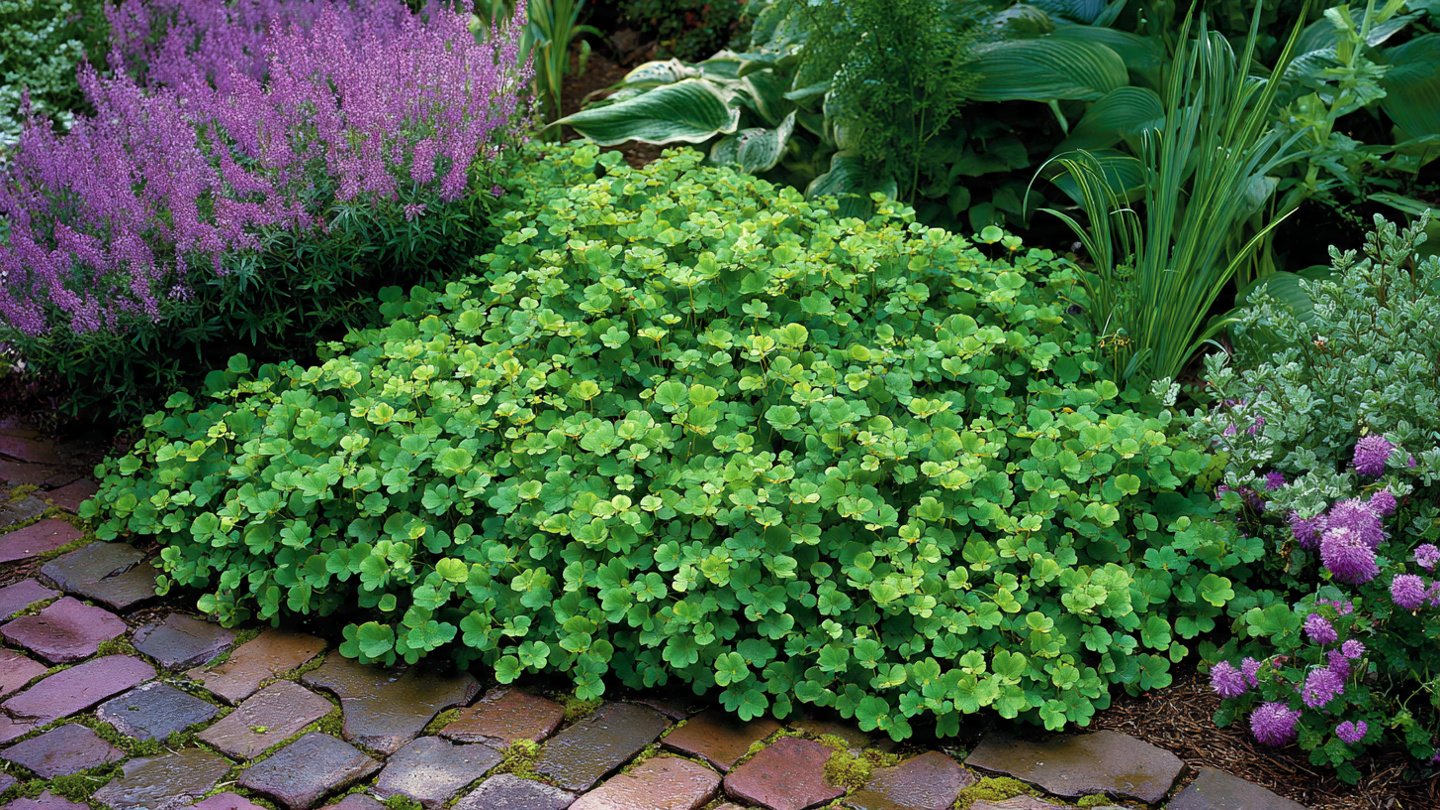
Creating a lush, visually appealing landscape often comes with challenges—keeping weeds at bay, maintaining soil health, and ensuring that your yard looks vibrant year after year. One of the smartest strategies for achieving effortless beauty is using ground cover plants. These low-growing plants not only fill in empty spaces but also suppress weeds, prevent soil erosion, and add texture and color to your garden. The best part? Certain perennial ground covers come back every year, saving you time and money while providing reliable, year-round appeal. Here are five unique ground cover plants that make landscaping easier and more beautiful.
1. Creeping Thyme (Thymus serpyllum)
Creeping thyme is a fragrant, low-growing perennial that thrives in sunny, well-drained areas. It’s perfect for filling gaps between stepping stones, borders, or open garden beds.
Key Features:
- Height and Spread: Only grows 2–3 inches tall but can spread up to 18–24 inches, creating a dense, colorful mat.
- Bloom: Tiny purple, pink, or white flowers in summer attract pollinators such as bees and butterflies.
- Hardiness: Extremely drought-tolerant and resilient, surviving in various soil types.
Why It’s Unique:
Creeping thyme releases a delightful scent when stepped on, making it ideal for pathways or patios. Its tiny flowers add a delicate splash of color, and it’s edible too! Leaves can be harvested for culinary use, such as in teas or seasoning.
Care Tips:
- Plant in full sun for best growth.
- Avoid overwatering; creeping thyme prefers slightly dry soil.
- Trim lightly after flowering to maintain a tidy appearance and encourage dense growth.
2. Ajuga (Ajuga reptans) – Bugleweed
Ajuga, commonly known as bugleweed, is a hardy, fast-growing ground cover with striking foliage and blooms. It’s especially useful in partially shaded areas where grass struggles to grow.
Key Features:
- Height and Spread: Typically 6–12 inches tall, spreading rapidly through runners to form a dense mat.
- Bloom: Spikes of blue, purple, or pink flowers in late spring to early summer.
- Foliage: Shiny, dark green to purple leaves add color even when not in bloom.
Why It’s Unique:
Ajuga’s rich, colorful foliage provides year-round interest, and its low-maintenance growth habit makes it perfect for filling large garden areas quickly. Its spreading nature suppresses weeds effectively, reducing maintenance.
Care Tips:
- Thrives in partial shade but tolerates full sun in cooler climates.
- Prefers moist, well-draining soil.
- Watch for excessive spreading; you may need to thin runners to prevent it from overtaking other plants.
3. Sweet Woodruff (Galium odoratum)
Sweet woodruff is a charming ground cover for shaded areas, providing both fragrance and visual appeal. Its delicate star-shaped leaves and tiny white flowers create a soft, carpet-like effect under trees or shrubs.
Key Features:
- Height and Spread: Grows 6–12 inches tall, spreading steadily to form a lush carpet.
- Bloom: Small, white, fragrant flowers in spring.
- Foliage: Bright green, lance-shaped leaves remain attractive even after blooming.
Why It’s Unique:
Sweet woodruff is known for its sweet scent, which is strongest in spring. It’s often used in potpourris, teas, and herbal remedies. Its tolerance for shade makes it an excellent choice for underplanting beneath larger shrubs and trees where grass struggles to thrive.
Care Tips:
- Prefers moist, well-draining soil with partial to full shade.
- Minimal maintenance is required once established.
- Cut back after flowering to promote fresh growth and prevent over-spreading.
4. Creeping Jenny (Lysimachia nummularia)
Creeping Jenny is a vigorous, trailing ground cover that brightens up gardens with its vibrant golden-green foliage. It’s ideal for adding color contrast to shrubs, rock gardens, or containers.
Key Features:
- Height and Spread: Low-growing, typically 2–6 inches tall, but spreads quickly through runners.
- Bloom: Small, yellow, cup-shaped flowers appear in late spring to summer.
- Foliage: Striking golden leaves provide color even when not flowering.
Why It’s Unique:
Creeping Jenny is especially eye-catching in shaded areas or near water features, where its bright foliage can contrast beautifully with darker greens. Its fast-spreading habit makes it effective at covering bare soil and preventing weeds.
Care Tips:
- Thrives in full sun to partial shade; in hotter climates, it prefers some shade to prevent leaf scorch.
- Prefers moist soil; ideal for areas near ponds or water features.
- Control its spread by trimming runners regularly, as it can become invasive in some climates.
5. Irish Moss (Sagina subulata)
Irish moss is a soft, moss-like ground cover perfect for rock gardens, pathways, or between stepping stones. Its fine texture and bright green color make it look like a natural carpet in your garden.
Key Features:
- Height and Spread: Only grows 1–2 inches tall, spreading slowly but steadily.
- Bloom: Tiny white flowers bloom in late spring or early summer.
- Texture: Dense, cushiony foliage creates a soft, moss-like effect.
Why It’s Unique:
Irish moss is excellent for creating soft walkways or a “green carpet” look in smaller garden spaces. Its low-growing habit allows it to fill gaps beautifully without overshadowing neighboring plants.
Care Tips:
- Prefers full sun to partial shade.
- Requires well-draining soil; avoid waterlogged areas.
- Ideal for low-traffic areas, as it is delicate under heavy foot traffic.
Benefits of Using Perennial Ground Covers
Choosing perennial ground covers that return every year offers multiple advantages:
- Low Maintenance: Once established, they require minimal care, reducing mowing, weeding, and soil upkeep.
- Weed Suppression: Dense coverage prevents weeds from taking root.
- Erosion Control: Ground covers stabilize soil, especially on slopes and uneven terrain.
- Year-Round Beauty: Many perennials provide foliage and flowers in multiple seasons.
- Water Efficiency: Mature ground covers retain soil moisture, reducing the need for frequent watering.
Tips for Successful Ground Cover Landscaping
To maximize the benefits of ground covers, consider these landscaping tips:
- Prepare the Soil: Clear weeds and loosen soil before planting. Enrich with compost for optimal growth.
- Spacing: Plant ground covers with enough space to spread without overcrowding.
- Watering: Water consistently during establishment, then gradually reduce to encourage hardier growth.
- Maintenance: Trim or cut back ground covers after flowering to maintain a neat appearance and prevent overgrowth.
- Complementary Plants: Combine different ground covers for color contrast, texture, and seasonal interest.
Designing a Low-Maintenance Garden
Incorporating these perennial ground covers can transform your garden into a low-maintenance, visually appealing landscape:
- Pathways: Use creeping thyme or Irish moss between stepping stones for a soft, fragrant walkway.
- Shade Areas: Sweet woodruff thrives under trees or near shrubs, adding greenery where grass struggles.
- Borders and Edges: Ajuga and creeping Jenny can define borders, adding both color and texture.
- Rock Gardens: Irish moss and creeping Jenny complement rocks beautifully, creating a natural, lush look.
By strategically selecting ground covers suited to sun, shade, and soil conditions, you can design a garden that looks effortless and elegant throughout the year.
Conclusion
Ground cover plants are an essential tool for creating beautiful, low-maintenance landscapes. By choosing perennial varieties that return every year, such as creeping thyme, ajuga, sweet woodruff, creeping Jenny, and Irish moss, you can enjoy lush, vibrant garden spaces with minimal effort. These plants not only enhance visual appeal but also suppress weeds, conserve soil moisture, and prevent erosion.
Whether you’re aiming for fragrant pathways, colorful borders, or soft, green carpets under trees, these unique ground covers provide versatility and reliability. With proper planting, watering, and occasional pruning, you can achieve a stunning garden that thrives year after year—effortlessly combining beauty, practicality, and sustainability.
Start incorporating these ground covers into your landscaping today and enjoy a lush, low-maintenance garden that returns each season, making your outdoor space both functional and visually appealing.