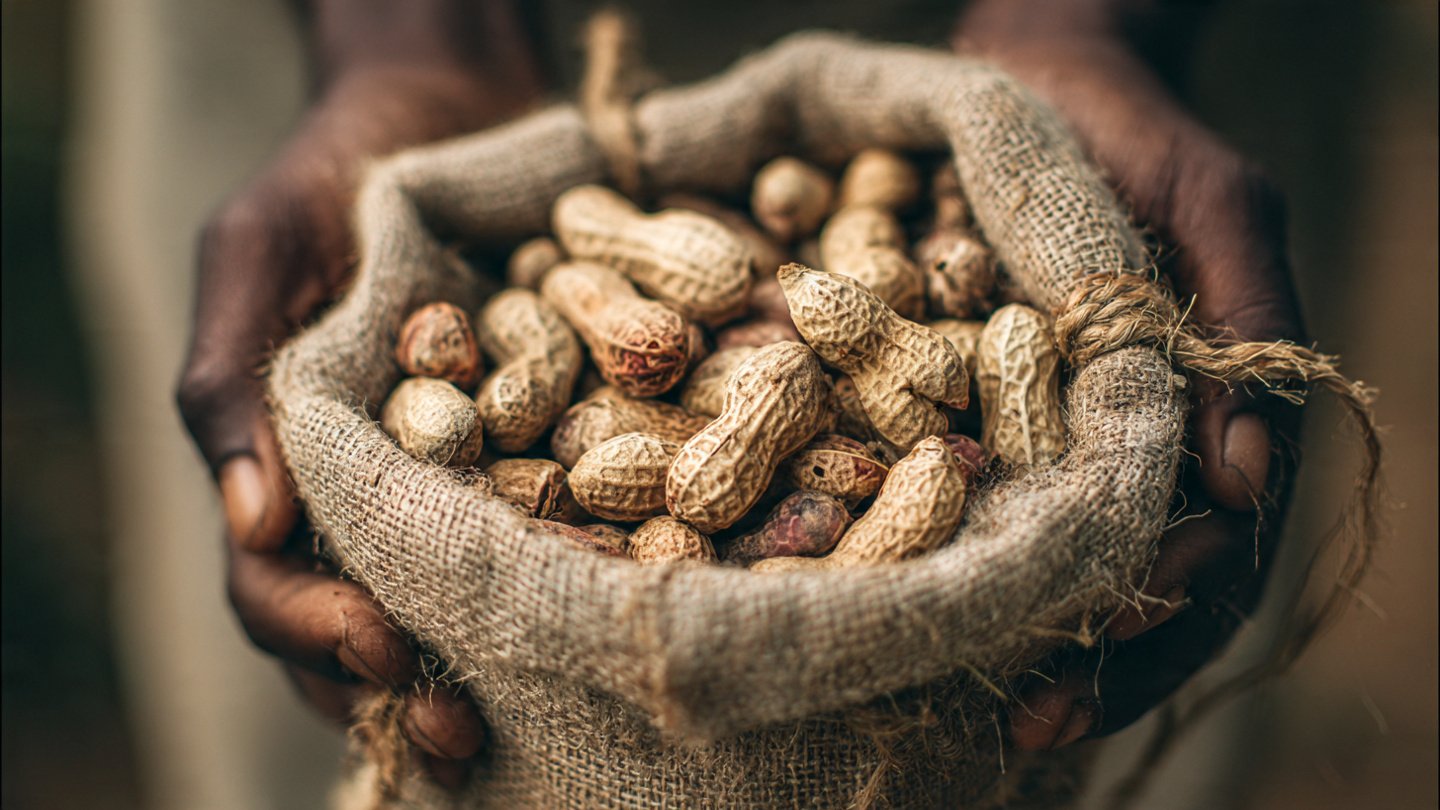
Peanuts, also known as groundnuts, are not only a nutritious snack but also a valuable crop for home gardens and small farms. While many people assume peanuts are easy to grow, getting a high yield requires some careful planning and attention to detail. The good news is that with a few smart techniques, it’s possible to significantly increase your peanut harvest, even without expanding your garden area.
Here are five surprisingly effective ways to grow peanuts and potentially double your yield, along with practical tips for each method.
1. Start With High-Quality Seeds and Proper Soil Preparation
The foundation of a high-yield peanut crop begins with quality seeds and the right soil conditions.
Choose the Right Variety
- Select disease-resistant, high-yielding peanut varieties suitable for your region.
- Spanish, Valencia, and Virginia types are popular, each with slightly different growth requirements.
Prepare the Soil
- Peanuts prefer loose, sandy loam soil with good drainage. Compact soil restricts root growth and reduces pod formation.
- Soil pH should be slightly acidic to neutral (6.0–6.5).
- Before planting, enrich the soil with organic compost or well-rotted manure to increase fertility.
Seed Treatment
- Treat seeds with a light fungicide or beneficial microbes to protect against soil-borne diseases.
- Soak seeds for a few hours before planting to improve germination rates.
By giving your peanuts a strong start, you set the stage for more vigorous plants and better pod production.
2. Optimize Planting Techniques
Even the best seeds won’t yield well if planting isn’t done correctly. Spacing, depth, and timing are crucial.
Proper Spacing
- Space seeds about 6–8 inches apart in rows that are 24–36 inches apart.
- Crowding reduces sunlight penetration, increases disease risk, and limits pod growth.
Correct Planting Depth
- Plant seeds 1–2 inches deep, ensuring that the pointed end is facing downward.
- Planting too deep or too shallow can hinder germination and stunt plant growth.
Timing Matters
- Peanuts are warm-season crops.
- Plant after the last frost date, when soil temperatures are consistently above 65°F (18°C).
- Early planting allows longer pod-filling periods, which directly contributes to higher yields.
By optimizing planting, each peanut plant has enough space and time to develop healthy roots and maximize pod formation.
3. Regular Care and Fertilization
Peanuts are legumes, which means they can fix some nitrogen from the air, but they still benefit from balanced fertilization and consistent care.
Fertilization Tips
- Apply a balanced fertilizer (low nitrogen, higher phosphorus and potassium) before planting to encourage root and pod development.
- Consider a side dressing of compost or potash during the flowering stage to boost pod growth.
- Avoid excessive nitrogen, which promotes leafy growth at the expense of pods.
Mulching and Weeding
- Mulch around the plants with straw, dried leaves, or grass clippings. Mulch retains soil moisture, keeps weeds down, and maintains a moderate soil temperature.
- Regularly remove weeds, especially early in growth, to reduce competition for nutrients and sunlight.
Irrigation
- Peanuts need consistent moisture, especially during flowering and pegging (when flowers form pegs that push into the soil).
- Water deeply once or twice a week rather than frequent shallow watering to encourage strong root development.
A combination of proper fertilization, mulching, and irrigation helps the plants focus energy on pod formation rather than excessive leaf growth, which directly improves yield.
4. Encourage Flowering and Pegging
The number of flowers and the success of pegging are key to maximizing peanut production.
Flowering Tips
- Ensure adequate sunlight: Peanuts require full sun (6–8 hours a day) for optimal flowering.
- Avoid overwatering, which can reduce flower formation.
- Prune weak or damaged plants to redirect energy toward healthy flowering stems.
Pegging Techniques
- The peg is the part of the flower that grows downward and buries the developing pod in the soil.
- Keep the soil loose around plants to make peg penetration easier.
- Lightly hoe or loosen the soil after flowering begins to allow the pegs to reach the ground without resistance.
By actively managing flowering and pegging conditions, you increase the number of pods each plant produces, which is a direct way to boost yield.
5. Pest and Disease Management
Healthy plants produce more peanuts. Controlling pests and diseases ensures that plants devote energy to pod formation rather than defense.
Common Pests
- Aphids, leafhoppers, and caterpillars can damage foliage.
- Nematodes attack roots and reduce pod development.
Control Measures
- Use organic pesticides or neem oil to reduce chemical exposure.
- Encourage beneficial insects like ladybugs and lacewings to control pests naturally.
- Rotate crops each season to prevent soil-borne diseases.
Disease Prevention
- Practice proper spacing to improve airflow and reduce fungal infections.
- Remove infected plants promptly.
- Use disease-resistant peanut varieties whenever possible.
By keeping the plants healthy and disease-free, you can avoid yield losses and achieve a much higher harvest.
Bonus Tips to Maximize Peanut Yield
- Intercropping – Plant peanuts with compatible crops like corn or millet to utilize space efficiently and improve soil fertility.
- Use Organic Mulch – Mulching not only retains moisture but also prevents soil-borne diseases.
- Harvest Timing – Harvest when the soil around the pods is still slightly moist. Pods mature about 120–150 days after planting, depending on variety.
- Cure Properly – After harvesting, dry peanuts in a shaded area for 7–10 days to prevent mold and ensure good storage.
These small adjustments can add up to significant increases in yield without requiring extra land or major investments.
Why These Methods Work
- Strong roots from proper soil and spacing allow plants to absorb more nutrients.
- Optimized flowering and pegging directly increase pod formation.
- Consistent care and pest management prevent stress that reduces productivity.
- Efficient irrigation and fertilization channel plant energy toward peanut growth rather than excessive foliage.
When applied together, these methods can double or even triple your peanut harvest compared to traditional planting practices.
Final Thoughts
Growing peanuts is much more than planting seeds in the soil—it’s about understanding the plant’s lifecycle, managing care, and optimizing conditions for flowering and pegging. By starting with quality seeds, preparing the soil, using proper planting techniques, maintaining consistent care, encouraging flowering, and managing pests, you can significantly increase your peanut yield.
Even small home gardens or backyard plots can benefit from these techniques. With patience, observation, and smart management, it’s possible to enjoy a larger, healthier peanut harvest year after year.
Whether you are a hobby gardener or a small-scale farmer, these five surprisingly effective strategies make doubling your peanut yield a realistic and achievable goal.