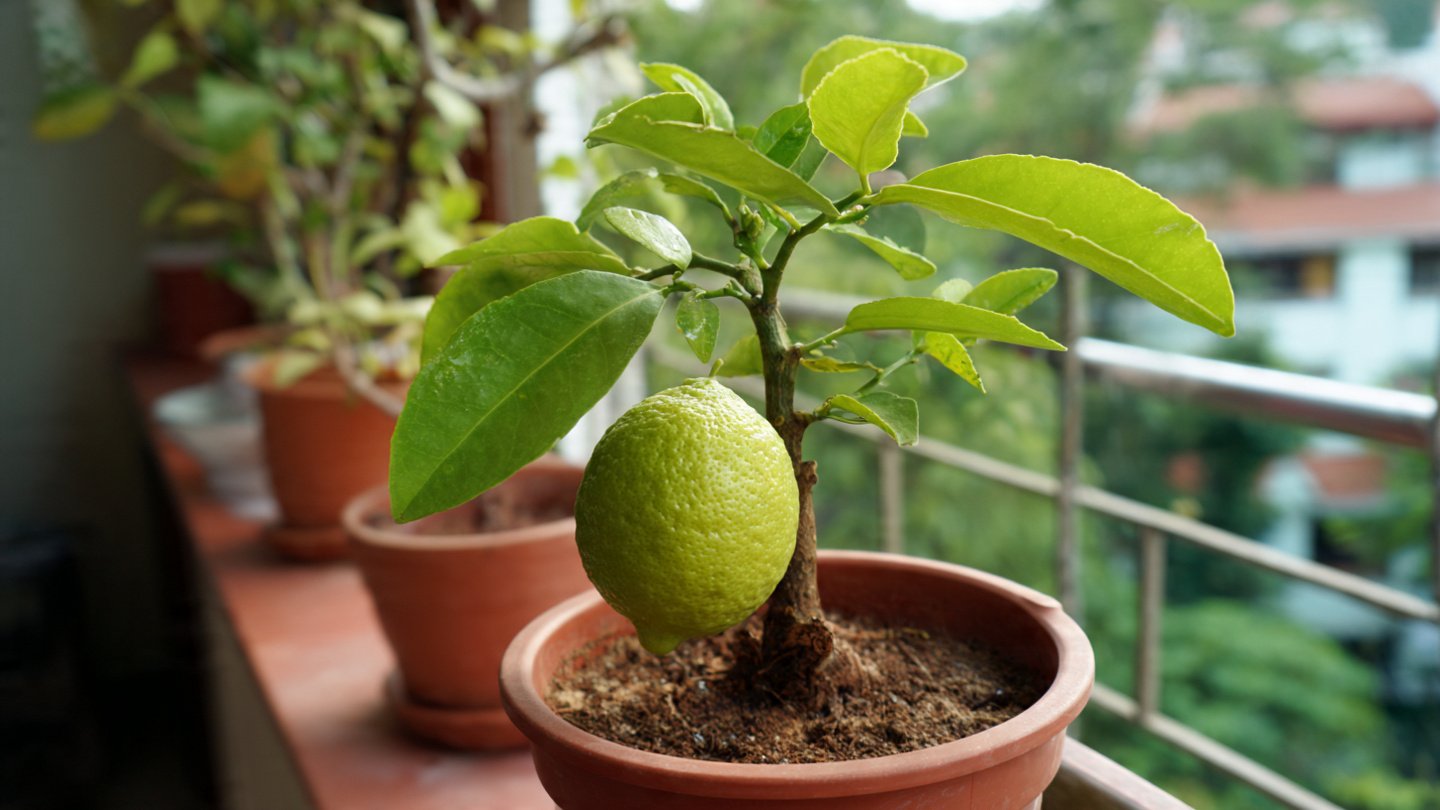
Growing your own lemon plant at home is a rewarding experience. While many people try to grow lemons from seeds, there’s a faster and more reliable method that gardeners often overlook—growing lemon plants from green cuttings. This method allows you to produce a healthy lemon plant that closely matches the parent tree and often bears fruit much sooner than seed-grown plants.
If you’ve ever wondered how to propagate lemons successfully at home, this guide breaks it down into five simple, practical steps. With a little patience and care, you can turn a fresh green cutting into a thriving lemon plant.
Why Grow Lemon from Green Cuttings?
Before diving into the steps, it’s helpful to understand why green cuttings are such a popular choice.
- Faster fruiting: Cuttings mature faster than seed-grown plants.
- True-to-type plants: The new plant will have the same characteristics as the parent lemon tree.
- Higher success rate: With proper care, cuttings root more reliably than seeds.
- Cost-effective: No need to buy grafted plants from nurseries.
Green cuttings come from young, flexible branches that are still actively growing, making them ideal for propagation.
Step 1: Select the Right Green Cutting
The success of your lemon plant starts with choosing the right cutting.
What to Look For
- Choose a healthy lemon tree that produces good-quality fruit.
- Select a green, semi-softwood branch—not too woody, not too tender.
- The branch should be 6–8 inches long and pencil-thick.
- Look for a stem with 2–4 healthy leaf nodes.
Avoid branches that show signs of disease, pests, or yellowing leaves.
How to Cut Properly
- Use clean, sharp pruning shears.
- Make a cut just below a leaf node at a 45-degree angle.
- Remove flowers or buds, as they drain energy needed for root growth.
Tip: Always sterilize your tools with rubbing alcohol to prevent infections.
Step 2: Prepare the Cutting for Rooting
Proper preparation greatly improves rooting success.
Leaf Trimming
- Remove leaves from the lower half of the cutting.
- Keep only 1–2 leaves at the top.
- Cut large leaves in half to reduce moisture loss.
This helps the cutting focus energy on root development instead of supporting excess foliage.
Optional: Rooting Hormone
Although lemon cuttings can root without it, using a rooting hormone increases success rates.
- Dip the cut end into rooting hormone powder or gel.
- Shake off excess to avoid rot.
Natural alternatives like aloe vera gel or cinnamon powder can also be used.
Step 3: Prepare the Growing Medium and Container
Lemon cuttings need a light, well-draining medium to develop strong roots.
Best Soil Mix
Use a mixture that retains moisture but drains well, such as:
- 50% coco peat or peat moss
- 30% coarse sand or perlite
- 20% garden soil or compost
Avoid heavy soil that holds too much water, as it can cause stem rot.
Choosing the Right Pot
- Use a small pot or polybag with drainage holes.
- Avoid oversized containers during early rooting stages.
Moisten the soil before planting—damp, not soggy.
Step 4: Plant the Cutting and Create the Right Environment
Now it’s time to plant and protect your lemon cutting.
Planting the Cutting
- Insert the cutting 2–3 inches deep into the soil.
- Firm the soil gently around the stem for support.
- Water lightly to settle the soil.
Creating a Humid Environment
Humidity is critical during rooting.
- Cover the pot with a transparent plastic bag or plastic bottle with holes.
- This creates a mini greenhouse effect.
- Ensure the plastic does not touch the leaves.
Place the pot in a warm, bright location with indirect sunlight. Avoid direct sun, which can scorch the cutting.
Ideal Conditions
- Temperature: 20–30°C (68–86°F)
- Light: Bright but indirect
- Humidity: High but well-ventilated
Open the cover briefly each day to allow fresh air circulation.
Step 5: Care, Root Development, and Transplanting
Root development usually takes 3–6 weeks, depending on temperature and care.
Signs of Successful Rooting
- New leaf growth
- Resistance when gently tugging the cutting
- Healthy green stem with no rot
Avoid pulling the cutting out to check roots—this can damage new growth.
Watering Tips
- Keep soil slightly moist at all times.
- Overwatering is the most common mistake.
- If soil feels soggy, stop watering immediately.
Transplanting the Rooted Cutting
Once roots are well established (after 6–8 weeks):
- Remove the plastic cover gradually.
- Transplant into a larger pot or garden soil.
- Use nutrient-rich, well-draining soil.
Water thoroughly after transplanting and keep the plant in partial shade for a few days.
Aftercare for a Healthy Lemon Plant
Sunlight
Once established, lemon plants need 6–8 hours of direct sunlight daily.
Fertilizing
- Start feeding after 4–6 weeks of transplanting.
- Use organic compost, vermicompost, or citrus fertilizer.
- Feed once every 3–4 weeks during the growing season.
Pruning
- Pinch the top growth to encourage branching.
- Remove weak or damaged shoots regularly.
Pest Prevention
Common pests include aphids and mealybugs. Use neem oil spray every 10–15 days for prevention.
Common Mistakes to Avoid
- Using woody or very soft stems
- Overwatering the cutting
- Exposing cuttings to direct sunlight
- Skipping drainage holes in pots
- Transplanting too early
Avoiding these mistakes significantly increases your success rate.
How Long Until Lemons Appear?
Lemon plants grown from green cuttings can start flowering in 2–3 years, much earlier than seed-grown plants. With good care, you’ll enjoy fresh, homegrown lemons right from your own garden or terrace.
Final Thoughts
Growing lemon from a green cutting is one of the easiest and most satisfying ways to propagate citrus at home. By following these five simple steps—selecting the right cutting, preparing it properly, using the right soil, maintaining humidity, and providing gentle aftercare—you can turn a small green stem into a productive lemon plant.
Whether you’re gardening on a balcony, terrace, or backyard, this method is beginner-friendly, budget-friendly, and highly rewarding. With patience and consistent care, your lemon plant will thrive and bring fresh flavor, fragrance, and greenery into your home.