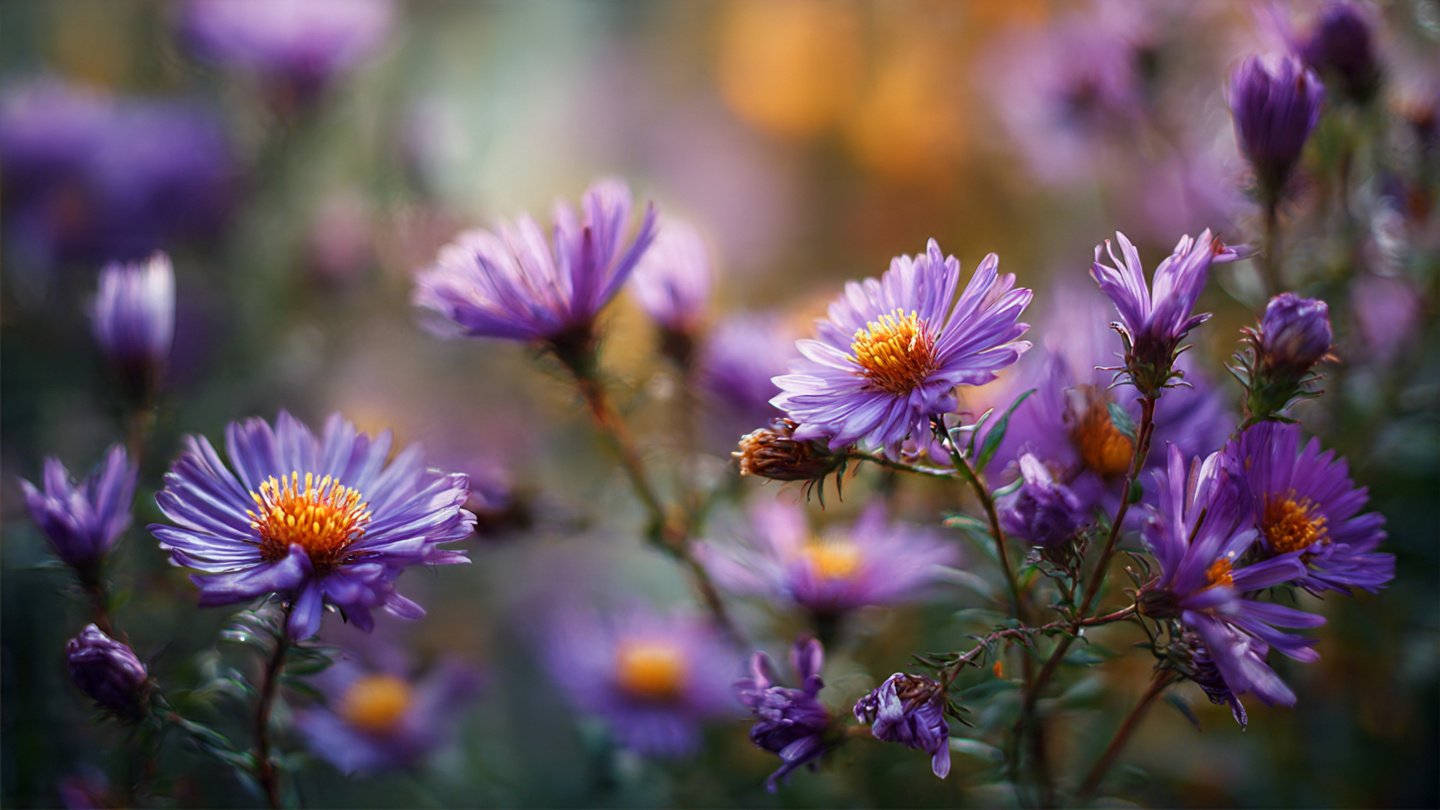
Pollinators are the unsung heroes of gardens and ecosystems. Bees, butterflies, hummingbirds, and other pollinators play a crucial role in fertilizing plants, which ensures fruit, seed, and flower production. Without them, gardens would struggle to thrive, and food crops could face significant declines. Gardeners who want to encourage a healthy, vibrant environment should prioritize planting flowers that naturally attract pollinators. According to experts in horticulture and ecology, certain flowers are especially effective at drawing in these vital creatures. This guide highlights five of the best flowers for attracting pollinators and explains why they are so successful.
1. Lavender (Lavandula spp.)
Lavender is one of the most beloved pollinator-friendly flowers in gardens worldwide. Its vibrant purple spikes and fragrant aroma make it irresistible to bees and butterflies.
Why Lavender Attracts Pollinators:
- Nectar-Rich: Lavender produces abundant nectar that provides energy for bees and butterflies.
- Long Bloom Period: Many lavender varieties bloom for several months, offering a consistent food source throughout the growing season.
- Fragrance: The strong scent helps pollinators locate the flowers from a distance.
Expert Tips for Planting Lavender:
- Sunlight: Lavender thrives in full sun. Plant in areas that receive at least 6–8 hours of sunlight daily.
- Soil: Well-drained, sandy, or loamy soils are ideal. Avoid overly wet conditions, which can cause root rot.
- Spacing: Plant lavender 12–18 inches apart to allow airflow and prevent disease.
- Pruning: Trim after flowering to encourage bushier growth and more blooms the following season.
Experts recommend varieties like English Lavender (Lavandula angustifolia) and French Lavender (Lavandula dentata) for maximum pollinator attraction due to their prolific nectar production.
2. Sunflowers (Helianthus annuus)
Sunflowers are more than just bright and cheerful garden stars—they are powerhouse pollinator magnets. Their large flower heads provide easy access to pollen and nectar for a wide range of pollinators.
Why Sunflowers Attract Pollinators:
- High Nectar and Pollen Content: Sunflowers are packed with nutrients for bees, butterflies, and even birds.
- Large Landing Platform: The size of the flower makes it easy for pollinators to land and feed.
- Diverse Appeal: Sunflowers attract bees, butterflies, beetles, and other beneficial insects.
Expert Tips for Planting Sunflowers:
- Sunlight: Plant in areas with full sun exposure. Sunflowers thrive with at least 6 hours of sunlight daily.
- Soil: Well-drained, fertile soil enriched with compost ensures strong growth.
- Spacing: Space plants 18–36 inches apart depending on the variety to allow for airflow and reduce competition.
- Watering: Water deeply during germination and flowering, but avoid waterlogging.
Varieties like Mammoth Sunflower and Autumn Beauty are particularly effective for attracting a variety of pollinators due to their large and colorful blooms.
3. Bee Balm (Monarda spp.)
Bee balm, also known as Monarda, is a favorite among gardeners for its vibrant red, pink, purple, or white flowers. It is especially attractive to bees, butterflies, and hummingbirds.
Why Bee Balm Attracts Pollinators:
- Tubular Flowers: The shape makes it perfect for butterflies and hummingbirds with long proboscises.
- High Nectar Production: Provides a steady food source throughout the blooming season.
- Fragrance: Its minty scent further lures pollinators to the garden.
Expert Tips for Planting Bee Balm:
- Sunlight: Plant in full sun to partial shade for best flower production.
- Soil: Prefers rich, moist, well-drained soil.
- Spacing: Space plants 18–24 inches apart to allow airflow and prevent mildew.
- Maintenance: Remove spent flowers to encourage continuous blooming and divide clumps every 2–3 years to maintain plant vigor.
Popular varieties include Monarda didyma (Scarlet Bee Balm) and Monarda fistulosa (Wild Bergamot), both highly effective at attracting a wide range of pollinators.
4. Coneflowers (Echinacea spp.)
Coneflowers, particularly the popular purple coneflower, are excellent choices for attracting pollinators while providing long-lasting blooms. They are hardy, drought-tolerant, and visually striking.
Why Coneflowers Attract Pollinators:
- Large, Showy Centers: Their prominent centers are loaded with pollen that is easily accessible to bees.
- Diverse Pollinator Appeal: Bees, butterflies, and even hummingbirds are drawn to the colorful petals.
- Extended Blooming Season: Coneflowers bloom from midsummer to fall, providing a consistent nectar source.
Expert Tips for Planting Coneflowers:
- Sunlight: Full sun exposure ensures the best growth and flower production.
- Soil: Adaptable to various soil types but prefers well-drained, moderately fertile soil.
- Spacing: Plant 12–18 inches apart to allow airflow and reduce disease risk.
- Deadheading: Remove spent blooms to encourage more flowers and prevent self-seeding if not desired.
Varieties like Echinacea purpurea and Echinacea ‘Magnus’ are particularly recommended for attracting a variety of pollinators.
5. Zinnias (Zinnia spp.)
Zinnias are vibrant, colorful annuals that attract a multitude of pollinators with their open, flat blooms. They are low-maintenance and ideal for both beginner and experienced gardeners.
Why Zinnias Attract Pollinators:
- Bright Colors: Pollinators are naturally drawn to the vivid reds, pinks, oranges, and yellows.
- Easy Access to Nectar: Flat-topped flower heads allow bees and butterflies to land easily.
- Continuous Blooms: Regular deadheading ensures prolonged flowering, keeping pollinators coming back.
Expert Tips for Planting Zinnias:
- Sunlight: Full sun exposure is essential for prolific blooms.
- Soil: Well-draining soil enriched with organic matter works best.
- Spacing: Space plants 6–12 inches apart depending on the variety.
- Watering: Water at the base to prevent wetting foliage, which reduces the risk of fungal disease.
Popular varieties include Zinnia elegans and Zinnia haageana, which are particularly attractive to bees and butterflies due to their vivid colors and abundant nectar.
Additional Expert Advice for Attracting Pollinators
While planting the right flowers is essential, experts recommend several complementary practices to maximize pollinator activity in your garden:
- Diverse Plantings: Include a variety of flowers with different bloom times to ensure a continuous nectar supply throughout the season.
- Avoid Pesticides: Chemical pesticides can harm pollinators. Opt for organic pest control methods instead.
- Provide Water: A shallow dish with water and stones allows pollinators to drink safely.
- Create Shelter: Plant shrubs, grasses, or small trees nearby to offer protection from wind and predators.
- Plant in Clusters: Pollinators are more attracted to large groups of the same flower than single plants scattered around.
Conclusion
Creating a pollinator-friendly garden is not only beneficial for your plants but also essential for supporting local ecosystems. Flowers like lavender, sunflowers, bee balm, coneflowers, and zinnias are particularly effective at attracting bees, butterflies, and hummingbirds, according to horticulture experts. By planting these flowers strategically and providing proper care, watering, and shelter, gardeners can create a thriving, vibrant garden that supports pollinators while yielding beautiful, fragrant blooms.
Whether you’re a seasoned gardener or a beginner, these five flowers are reliable choices to attract and sustain pollinators, ensuring a productive and lively garden year after year. By fostering a healthy pollinator population, you’re not only enhancing your garden’s beauty but also contributing to the greater ecological balance that supports crops and natural landscapes alike.