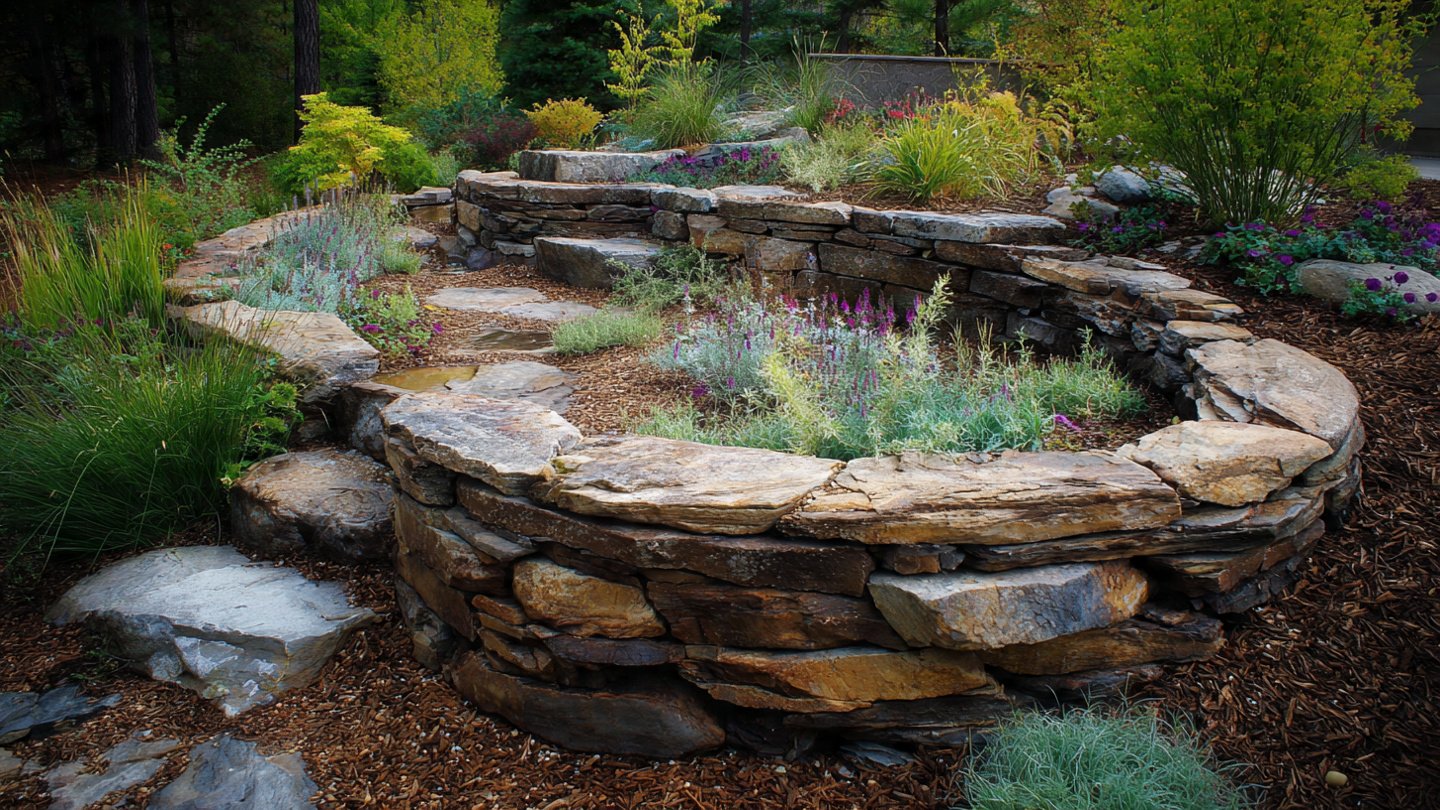
Gardening is more than just planting flowers or vegetables—it’s about creating a space that reflects your style and enhances your outdoor experience. One of the most effective ways to combine functionality with aesthetics is by using raised garden beds. Raised beds not only make gardening easier by improving drainage and soil quality but also define garden spaces beautifully. When natural stone is incorporated, the effect becomes even more striking, giving your garden a rustic, timeless charm. In this guide, we explore five creative raised bed ideas using natural stone that will transform your garden into a stunning retreat.
1. Classic Rectangular Stone Raised Beds
Sometimes, simplicity speaks volumes. Rectangular raised beds are classic, easy to construct, and highly versatile. Using natural stones for the walls elevates the design while providing a sturdy structure that lasts for decades.
How to Create:
- Select Stones: Use flat, irregularly shaped stones like slate or sandstone for a rustic look. Mix sizes for texture.
- Prepare the Base: Clear and level the area, and add a 2–3 inch layer of gravel to aid drainage.
- Stacking the Stones: Layer the stones without mortar for a dry-stacked rustic feel or use mortar for extra stability. Aim for a height of 12–18 inches for easy planting.
- Fill the Bed: Add quality garden soil mixed with compost.
Benefits:
- Great for vegetable and herb gardens.
- Natural stones blend seamlessly with surrounding landscapes.
- Easy to maintain and expand.
This design works perfectly for gardens with traditional layouts or minimalist outdoor spaces.
2. Circular or Spiral Stone Beds
Circular or spiral raised beds offer a dynamic alternative to conventional rectangular beds. These shapes create visual interest while maximizing planting space, especially for herbs, flowers, or succulents.
How to Build a Spiral Bed:
- Base Formation: Outline a circle or spiral using sand or chalk. Ensure the diameter suits your space.
- Stone Selection: Choose rounded or irregular stones for a natural look. Stack carefully, ensuring the walls are stable.
- Height Variation: Make the bed taller in the center and gradually lower it toward the edges. This improves drainage and creates microclimates for different plants.
- Planting: Plant herbs like rosemary, thyme, or sage at different heights for an eye-catching, layered effect.
Advantages:
- Adds a sculptural element to your garden.
- Maximizes vertical growing space.
- Perfect for edible landscaping or ornamental displays.
Circular stone beds are especially effective in focal areas like patios, entryways, or garden corners.
3. Tiered or Multi-Level Stone Raised Beds
Tiered stone beds are ideal for gardens with sloped terrain or limited space. They allow gardeners to create stepped planting areas, combining both functionality and beauty.
Steps to Create Tiered Beds:
- Site Preparation: Level the slope into multiple platforms.
- Stone Placement: Use larger stones for the lower tiers and gradually smaller stones for upper levels. Ensure each tier is stable and properly compacted.
- Soil Filling: Add a mix of topsoil and compost to each tier, slightly compacted to prevent erosion.
- Planting: Grow cascading flowers, trailing vines, or compact vegetables.
Benefits:
- Prevents soil erosion on sloped gardens.
- Creates a dramatic visual impact.
- Allows easy access to each planting level for maintenance and harvesting.
Tiered stone beds are particularly striking when combined with flowering plants that cascade over the edges, enhancing the rustic charm.
4. Corner or L-Shaped Stone Raised Beds
Utilizing corners or awkward garden spaces can be challenging, but an L-shaped stone raised bed can make these areas both functional and beautiful. This design is perfect for small or irregularly shaped gardens.
How to Build:
- Plan the L Shape: Measure the corner and determine the length of each side.
- Stone Selection: Use rectangular stones for straight walls or irregular stones for a natural appearance.
- Foundation: Level the ground and add gravel for drainage.
- Stack and Secure Stones: Build walls to a height of 12–18 inches. Use mortar if needed for stability in corners.
- Soil and Planting: Fill with nutrient-rich soil and plant shade-tolerant flowers or vegetables in the corner.
Advantages:
- Maximizes use of otherwise wasted space.
- Creates a cozy, defined garden area.
- Ideal for companion planting or creating a herb corner.
L-shaped stone beds work beautifully with garden benches or pathways, forming a natural and functional seating area or garden nook.
5. Curved or Freeform Natural Stone Beds
If your garden has a natural, flowing landscape, curved or freeform stone raised beds complement the organic lines beautifully. Unlike geometric designs, these beds mimic natural formations, giving a relaxed, rustic feel.
How to Create:
- Sketch the Curves: Plan your freeform bed using chalk, string, or sand.
- Stone Placement: Select irregular stones of varying sizes. Build the walls by stacking stones loosely for a rustic effect, or mortar them for stability.
- Height Variation: Use slightly taller walls in certain areas to create visual interest and microclimates.
- Plant Selection: Mix flowering plants, shrubs, and ground covers to enhance the natural look.
Advantages:
- Blends seamlessly with natural landscapes.
- Offers flexibility in design and planting arrangements.
- Perfect for cottage gardens or wildlife-friendly spaces.
Freeform stone beds allow creativity and personal expression, making your garden unique and inviting.
Tips for Maintaining Stone Raised Beds
To ensure your stone raised beds remain functional and beautiful:
- Weed Control: Use landscape fabric under the soil to reduce weeds.
- Regular Cleaning: Sweep or rinse stones to prevent moss or algae buildup.
- Reinforce Walls: Check for loose stones periodically and adjust as needed.
- Soil Health: Replenish soil with compost annually to maintain fertility.
- Plant Rotation: Rotate crops in vegetable beds to prevent nutrient depletion and pest buildup.
With proper care, stone raised beds can last for decades, enhancing both garden productivity and aesthetics.
Benefits of Using Natural Stone for Raised Beds
- Durability: Stones are weather-resistant and last much longer than wood or metal.
- Aesthetic Appeal: Natural textures and colors complement rustic, cottage, or traditional garden styles.
- Thermal Regulation: Stones absorb heat during the day and release it at night, creating a favorable microclimate for plants.
- Low Maintenance: Requires minimal upkeep compared to wooden beds, which may rot or warp.
- Eco-Friendly: Stones are natural and sustainable, reducing the need for manufactured materials.
By combining natural beauty with practicality, stone raised beds elevate the overall garden design.
Conclusion
Raised garden beds using natural stone offer a perfect balance of functionality, aesthetics, and rustic charm. From classic rectangular designs to circular spirals, tiered beds, L-shaped corners, and freeform curves, the possibilities are endless. These creative raised bed ideas not only improve soil quality and plant growth but also transform your garden into a visually stunning outdoor sanctuary.
By selecting the right stones, preparing the soil, and incorporating thoughtful designs, gardeners can enjoy durable, low-maintenance, and highly productive garden beds. Whether growing vegetables, herbs, flowers, or a mix of all three, natural stone raised beds bring a timeless beauty to any garden, making outdoor spaces more inviting and inspiring.
Elevate your garden today with these five creative raised bed ideas using natural stone and experience the perfect blend of rustic charm, functionality, and lush greenery.