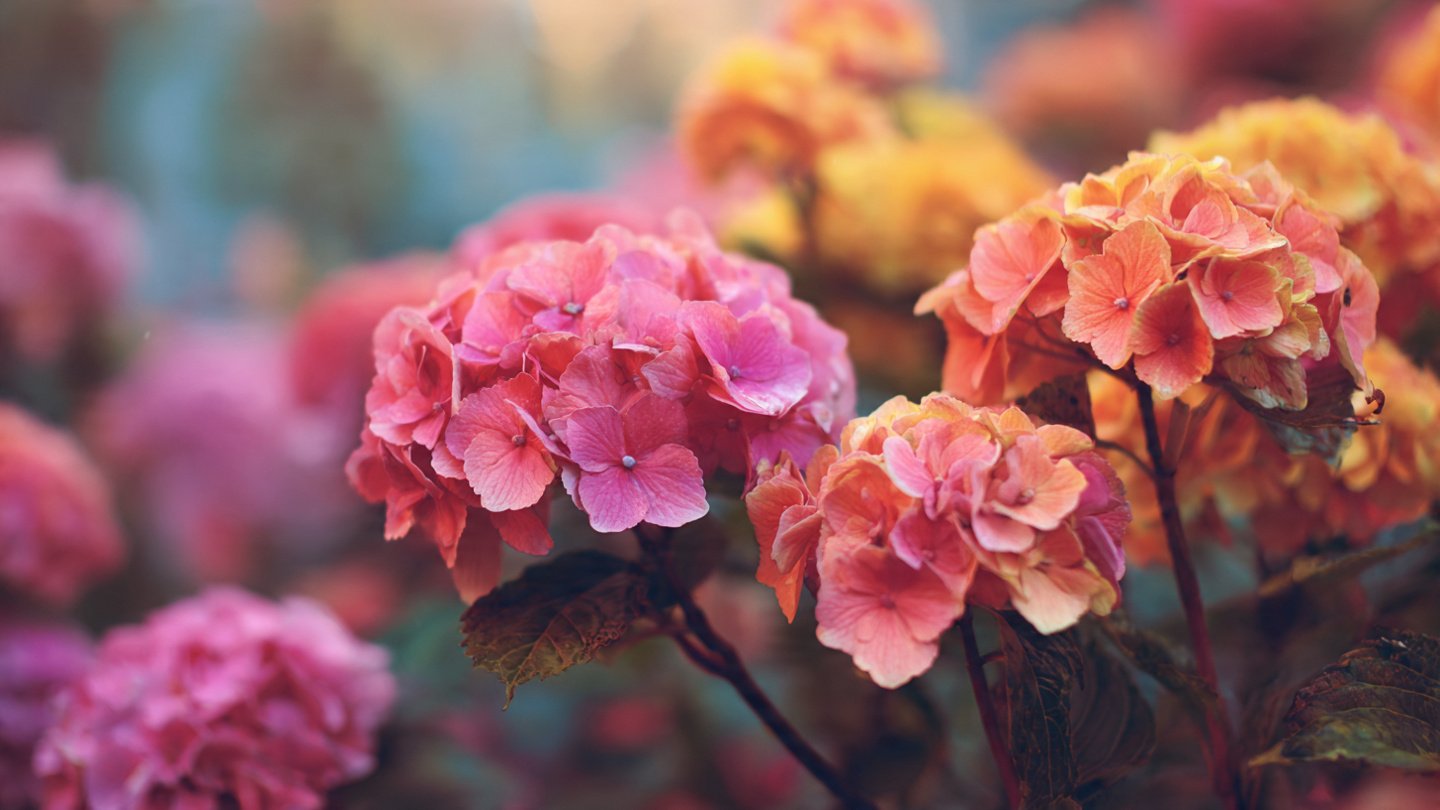
For many gardeners, the joy of flowers is sometimes tempered by the reality of upkeep. Busy schedules, travel, or simple forgetfulness can make consistent watering, fertilizing, and pruning a challenge. Fortunately, not all flowers demand constant attention. Some varieties are remarkably resilient, thriving even when care is minimal. These low-maintenance blooms are perfect for gardeners who want beauty without the stress. Here are 11 flowers that are virtually foolproof, forgiving, and stunning, even if you occasionally forget them.
1. Marigolds (Tagetes)
Marigolds are classic garden staples for a reason. Their vibrant orange, yellow, and gold blooms bring cheer to any garden while being nearly indestructible.
- Why they’re low maintenance: Marigolds tolerate poor soil, drought, and pests. They are also self-seeding, meaning they’ll come back year after year without much intervention.
- Care tips: Plant in full sun and water occasionally during dry spells. Deadheading spent blooms encourages longer flowering.
Marigolds not only brighten gardens but also act as natural pest repellents, making them both practical and beautiful.
2. Zinnias (Zinnia elegans)
Zinnias are showy flowers with a wide range of colors, from pinks to purples to sunny yellows. They are excellent for borders or containers.
- Why they’re low maintenance: Zinnias are drought-tolerant and resistant to most pests and diseases. They thrive in sunny, well-drained locations.
- Care tips: Water occasionally during prolonged dry periods and remove spent blooms to prolong flowering.
With minimal attention, zinnias provide a bold splash of color all summer long.
3. Coneflowers (Echinacea)
Coneflowers are hardy perennials known for their large, daisy-like petals and prominent seed heads. They attract pollinators, adding life to your garden.
- Why they’re low maintenance: Once established, coneflowers tolerate heat, drought, and poor soil conditions. They are perennials, meaning they’ll return year after year.
- Care tips: Plant in full sun, water during extremely dry periods, and let seed heads remain if you want them to self-seed.
Coneflowers are virtually carefree, providing long-lasting beauty with minimal effort.
4. Black-Eyed Susans (Rudbeckia hirta)
Black-eyed Susans feature bright yellow petals and dark centers, adding cheerful color to any garden.
- Why they’re low maintenance: These hardy perennials handle poor soil, drought, and extreme weather conditions. They can also naturalize easily in a garden bed.
- Care tips: Plant in full sun and let them self-seed. Occasional deadheading promotes extended bloom periods.
Their durability and sunny appearance make Black-eyed Susans ideal for beginner gardeners or busy plant lovers.
5. Daylilies (Hemerocallis)
Daylilies are perennials known for their sword-like foliage and trumpet-shaped flowers. They are celebrated for producing flowers that bloom reliably year after year.
- Why they’re low maintenance: Daylilies tolerate a variety of soil types, drought, and neglect. Each flower lasts just one day, but plants continuously produce new blooms.
- Care tips: Plant in full sun to partial shade, and minimal watering is required once established.
Daylilies’ ability to thrive with little attention makes them a favorite for effortless perennial gardens.
6. Sedum (Stonecrop)
Sedums are succulent perennials with fleshy leaves and clusters of star-shaped flowers. They come in both upright and ground-cover varieties.
- Why they’re low maintenance: Sedums are drought-tolerant, pest-resistant, and can flourish in poor soil. They need almost no care once established.
- Care tips: Plant in full sun and well-drained soil. Minimal watering is needed, especially for upright varieties.
Sedums are particularly useful for rock gardens or containers where neglect is common.
7. Lavender (Lavandula)
Lavender is beloved for its fragrant foliage and purple blooms. It is not only beautiful but also useful in cooking and crafts.
- Why they’re low maintenance: Lavender tolerates heat, drought, and poor soil. It’s naturally resistant to pests and requires little attention.
- Care tips: Plant in full sun with well-drained soil, avoid overwatering, and prune lightly after flowering to maintain shape.
With its fragrance and resilience, lavender is perfect for low-effort gardens that still smell and look incredible.
8. Blanket Flower (Gaillardia)
Blanket flowers are daisy-like blooms with vibrant red, orange, and yellow petals that can withstand almost anything.
- Why they’re low maintenance: They tolerate drought, poor soil, and high heat. Once established, they continue to bloom from early summer to fall.
- Care tips: Plant in full sun and avoid overwatering. Deadheading is optional but encourages more flowers.
Their hardiness and long bloom period make blanket flowers a great option for gardeners who want continuous color with minimal effort.
9. Coreopsis (Tickseed)
Coreopsis produces masses of yellow, orange, or red blooms and attracts butterflies. They are long-blooming and reliable perennials.
- Why they’re low maintenance: Coreopsis tolerates poor soil and drought. They rarely suffer from pests and diseases.
- Care tips: Plant in full sun and water sparingly. Deadheading promotes a longer flowering period but is not required.
Coreopsis is perfect for naturalistic gardens where plants thrive without constant intervention.
10. Catmint (Nepeta)
Catmint is a hardy perennial with blue-purple flowers and aromatic foliage. It’s beloved for both its beauty and ability to attract pollinators.
- Why they’re low maintenance: Catmint tolerates drought, heat, and poor soil. It’s long-blooming and resists most pests.
- Care tips: Plant in full sun and water during extreme drought. Cut back after flowering to encourage a second bloom.
Catmint’s ability to thrive in tough conditions while providing months of blooms makes it an excellent choice for lazy gardeners.
11. Yarrow (Achillea)
Yarrow is a perennial with flat clusters of small flowers in colors ranging from white to pink, yellow, or red. It’s known for being nearly indestructible.
- Why they’re low maintenance: Yarrow tolerates poor soil, drought, and neglect. It also attracts beneficial insects and pollinators.
- Care tips: Plant in full sun and well-drained soil. Minimal watering is needed once established. Deadheading is optional.
Yarrow is perfect for creating wildflower or low-effort perennial gardens that still look vibrant year after year.
Tips for Gardening with Low-Maintenance Flowers
Even resilient flowers benefit from some basic care. Here are a few tips to maximize success:
- Choose Native or Adapted Species: Flowers suited to your local climate require less water, fertilizer, and pest management.
- Mulch Generously: Mulch helps retain soil moisture, reduce weeds, and maintain consistent soil temperature.
- Group by Water Needs: Plant flowers with similar water requirements together to avoid overwatering some while underwatering others.
- Minimal Fertilization: Most low-maintenance flowers thrive with little fertilizer. Over-fertilizing can encourage foliage growth over blooms.
- Allow Natural Growth: Resist the urge to prune excessively. Many low-maintenance flowers benefit from natural self-seeding and spreading.
By following these simple strategies, even forgetful gardeners can enjoy thriving, colorful flower beds.
Conclusion
Not all beautiful flowers require constant attention or obsessive care. Plants like marigolds, zinnias, coneflowers, daylilies, and lavender are resilient, forgiving, and perfect for gardeners who occasionally forget to water or fertilize. These 11 low-maintenance flowers provide vibrant, continuous color, attract pollinators, and even self-seed in many cases.
Whether you have a busy schedule, travel frequently, or are simply new to gardening, these hardy blooms allow you to enjoy the beauty of a flourishing garden without the stress of constant upkeep. By choosing the right species, providing minimal care, and allowing natural growth patterns, you can create a colorful, resilient, and thriving garden—even if you forget it occasionally.
With these low-maintenance flowers, effortless beauty is not just a dream—it’s achievable in any garden.