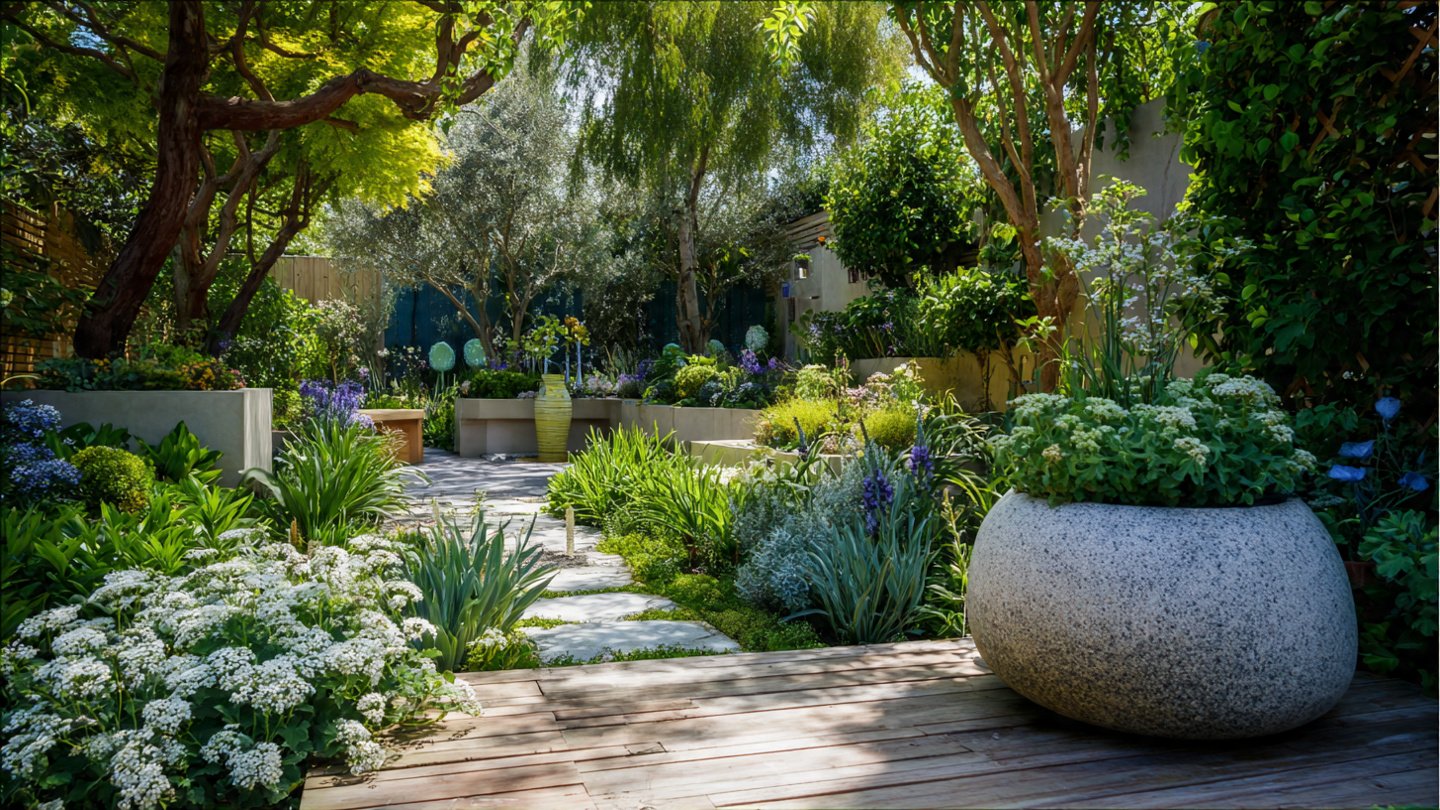
Gardening in 2026 is no longer just about planting flowers and hoping for the best. It’s about working smarter, designing creatively, and building outdoor spaces that reflect sustainability, technology, and personal style. As climate challenges, space limitations, and lifestyle changes shape how we garden, innovative solutions are taking center stage.
Whether you have a sprawling backyard or a compact balcony, these intelligent and creative gardening ideas will help you transform your outdoor space into something functional, beautiful, and future-ready. Let’s explore the top gardening trends and ideas set to inspire in 2026.
1. Smart Gardens Powered by Technology
Smart gardening is becoming mainstream, and in 2026 it’s more accessible than ever. Intelligent systems now allow gardeners to monitor soil moisture, temperature, and light levels in real time using smartphone apps.
Automated irrigation systems ensure plants receive exactly the amount of water they need, reducing waste and preventing overwatering. Some setups even adjust watering schedules based on weather forecasts.
For busy homeowners, smart gardens mean less guesswork and healthier plants, making gardening enjoyable rather than stressful.
2. Climate-Adaptive Planting Zones
With changing weather patterns, gardeners are rethinking traditional planting methods. Climate-adaptive gardening focuses on choosing plants that thrive in local conditions rather than fighting nature.
Drought-tolerant plants, heat-resistant perennials, and native species are gaining popularity. These plants require less water, fewer chemicals, and minimal maintenance while supporting local ecosystems.
By grouping plants with similar needs together, gardeners can create resilient landscapes that remain vibrant even during extreme weather conditions.
3. Vertical Gardening for Small Spaces
As urban living continues to rise, vertical gardening remains one of the most creative solutions for limited spaces. Walls, fences, railings, and even old ladders can become lush green displays.
Vertical gardens are ideal for growing herbs, leafy greens, flowers, and trailing plants. Modular wall planters and stackable systems make installation simple and customizable.
This approach not only saves space but also improves air quality and adds visual depth, making small outdoor areas feel larger and more alive.
4. Multi-Functional Garden Furniture
In 2026, garden furniture is no longer just for sitting. Intelligent outdoor furniture now doubles as planters, storage units, or compost bins.
Benches with built-in planter boxes, tables that conceal herb gardens, and seating that hides gardening tools are becoming popular. These designs maximize usability while keeping outdoor spaces clean and organized.
Multi-functional furniture is perfect for modern lifestyles where space efficiency and aesthetics go hand in hand.
5. Edible Landscaping with a Stylish Twist
Edible gardens are evolving from basic vegetable patches into beautifully designed landscapes. In 2026, gardeners are blending ornamental and edible plants to create spaces that are both productive and visually stunning.
Fruit trees are pruned into decorative shapes, colorful vegetables replace traditional flowers, and herbs are used as borders and ground cover.
This approach encourages self-sufficiency, reduces grocery costs, and turns everyday gardening into a rewarding lifestyle choice.
6. Regenerative and Eco-Friendly Gardening
Sustainability is no longer optional—it’s essential. Regenerative gardening goes beyond eco-friendly practices by actively improving soil health and biodiversity.
Techniques like composting, mulching, rainwater harvesting, and no-dig gardening are becoming standard. These methods enrich the soil naturally, reduce waste, and promote healthier plant growth.
Gardens designed with regeneration in mind become stronger over time, requiring fewer external inputs while supporting insects, birds, and beneficial microbes.
7. Sensory Gardens for Well-Being
Gardens in 2026 are being designed not just for beauty, but for mental and emotional wellness. Sensory gardens engage sight, smell, touch, and sound to create calming environments.
Fragrant plants, textured foliage, soft grasses, water features, and wind chimes contribute to a relaxing atmosphere. These gardens are especially beneficial for stress relief, meditation, and family spaces.
A thoughtfully designed sensory garden transforms outdoor areas into personal sanctuaries for relaxation and mindfulness.
8. Modular Raised Beds with Custom Layouts
Raised garden beds are becoming more advanced and adaptable. Modular designs allow gardeners to change layouts easily, expand growing space, or adjust bed height for accessibility.
These systems are ideal for aging gardeners, beginners, or anyone seeking a clean and organized look. Built-in drainage and soil layering improve plant health and reduce common gardening problems.
Modular raised beds offer flexibility, efficiency, and a polished appearance suited for modern outdoor spaces.
9. Wildlife-Friendly Micro Habitats
In 2026, gardens are increasingly viewed as part of a larger ecosystem. Wildlife-friendly gardening focuses on creating micro habitats that support pollinators, birds, and beneficial insects.
Bee hotels, bird baths, native flowering plants, and small water features invite wildlife while maintaining balance. Avoiding chemical pesticides further enhances biodiversity.
These gardens not only help the environment but also bring life, movement, and natural beauty into your outdoor space.
10. Personalized Garden Zones
One of the most creative trends of 2026 is zoning the garden based on lifestyle needs. Instead of a single design theme, gardens are divided into purposeful areas.
You might have a relaxation zone with seating and shade, a productive zone for vegetables and herbs, a play zone for children, and a decorative zone for flowers and art.
This personalized approach ensures every part of the garden serves a purpose, making outdoor spaces more enjoyable and practical for everyday living.
Final Thoughts: Gardening Smarter in 2026
The future of gardening is intelligent, creative, and deeply connected to sustainability and personal well-being. In 2026, successful gardens are not defined by size or budget, but by thoughtful design and smart choices.
By embracing technology, eco-friendly practices, and innovative layouts, you can create an outdoor space that is both inspiring and functional. Whether you adopt one idea or combine several, these trends offer endless possibilities to reimagine your garden.
Your outdoor space isn’t just a garden anymore—it’s a living, evolving extension of your lifestyle.