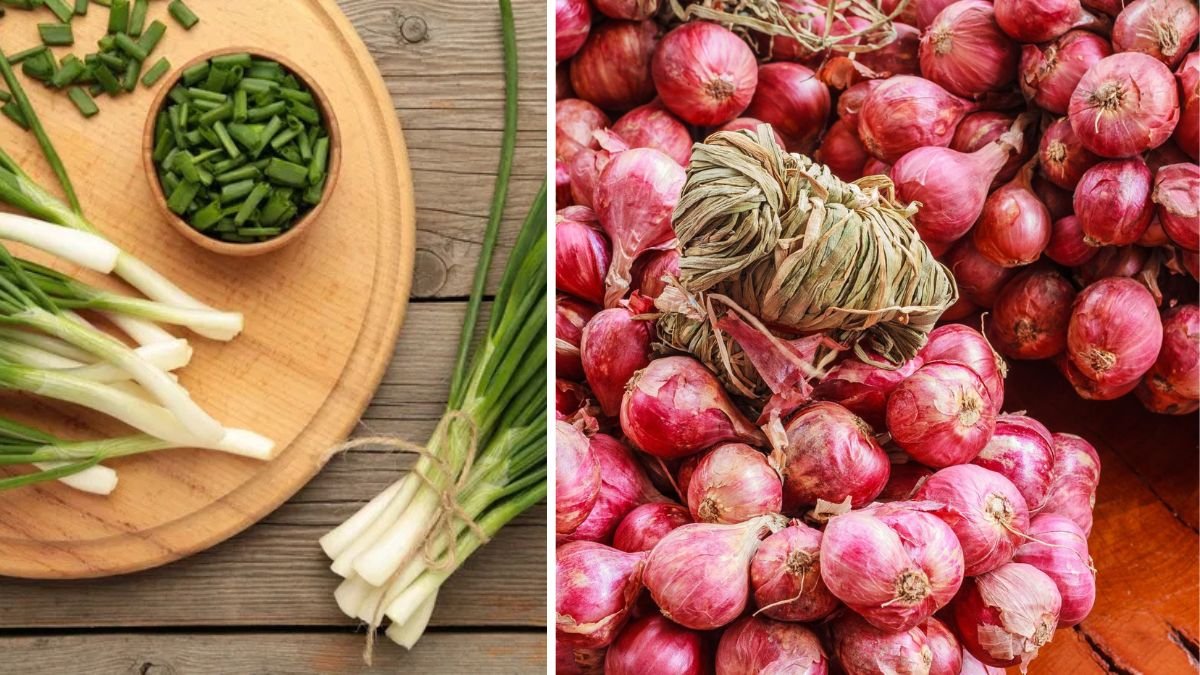
Onions are a staple in kitchens worldwide, celebrated for their flavor, aroma, and versatility. But beyond adding zest to meals, onions are packed with nutrients and compounds that deliver powerful health benefits. From boosting heart health to supporting immunity, onions are far more than just a culinary ingredient—they are a natural powerhouse that can positively impact your overall well-being. Here’s everything you need to know about the top 10 health benefits of onions and why you should consider including them in your diet regularly.
1. Rich Source of Antioxidants
Onions are abundant in antioxidants, particularly quercetin, a flavonoid known for its anti-inflammatory and immune-supporting properties. Antioxidants help neutralize harmful free radicals in the body, reducing oxidative stress that contributes to chronic diseases like cancer, diabetes, and cardiovascular issues.
- How to maximize benefits: Red onions contain more quercetin than white or yellow varieties, and eating them raw preserves the antioxidant content better than cooking.
Regular consumption of onions can help protect cells, slow aging processes, and reduce the risk of chronic health problems.
2. Support Heart Health
One of the most studied benefits of onions is their positive effect on cardiovascular health. Onions help improve heart health by:
- Reducing blood pressure due to natural compounds that relax blood vessels.
- Lowering cholesterol levels, particularly LDL (“bad” cholesterol).
- Preventing blood clot formation through their anti-platelet properties.
Studies have shown that people who regularly consume onions have a lower risk of heart disease and stroke, making onions a simple yet effective addition to a heart-healthy diet.
3. Enhance Immune Function
Onions contain compounds that can strengthen your immune system. These include sulfur compounds, which stimulate the production of white blood cells, and antioxidants that reduce inflammation.
- Practical tip: Including onions in soups or salads can provide an immune boost, especially during cold and flu season.
A diet rich in onions supports your body’s defense against infections, helping you stay healthier year-round.
4. Regulate Blood Sugar Levels
For individuals managing diabetes or insulin sensitivity, onions can be particularly beneficial. Research indicates that compounds in onions, such as allyl propyl disulfide, can help regulate blood sugar levels by enhancing insulin sensitivity.
- Effect: Eating onions may help reduce fasting blood glucose and improve overall glycemic control.
- Best varieties: Red onions are especially effective due to higher antioxidant content.
Incorporating onions into meals can complement a balanced diet for managing blood sugar naturally.
5. Promote Digestive Health
Onions are rich in prebiotics, particularly a type called inulin, which feeds beneficial gut bacteria. A healthy gut microbiome supports digestion, nutrient absorption, and immune function.
- Benefits of prebiotics:
- Improve bowel regularity.
- Reduce the risk of gastrointestinal issues like bloating or constipation.
- Support nutrient absorption for overall health.
Consuming onions raw or lightly cooked ensures that their prebiotic content remains effective, providing long-term digestive support.
6. Reduce Inflammation
Chronic inflammation is linked to numerous health conditions, including arthritis, heart disease, and certain cancers. Onions contain anti-inflammatory compounds that help combat this process.
- Key compounds: Quercetin and sulfur compounds reduce inflammatory markers in the body.
- Practical impact: Regular consumption may ease symptoms of inflammatory conditions like joint pain or skin irritation.
By incorporating onions into daily meals, you can take advantage of natural anti-inflammatory effects without relying solely on medications.
7. Support Bone Health
It may come as a surprise, but onions can contribute to stronger bones. Research shows that onions increase bone density and reduce the risk of osteoporosis, especially in older adults.
- Mechanism: Certain compounds in onions stimulate bone-forming cells while reducing bone loss.
- Practical tip: Including onions in a diet rich in calcium and vitamin D maximizes bone health benefits.
This makes onions a valuable addition for those looking to maintain mobility and prevent age-related bone deterioration.
8. Aid Detoxification
Onions contain sulfur-containing compounds that support the body’s natural detoxification process. These compounds help the liver process and eliminate toxins more efficiently.
- Benefit: Enhanced detoxification may reduce oxidative stress on organs and promote overall wellness.
- Practical tip: Pair onions with other detoxifying foods like garlic, leafy greens, and citrus fruits for maximum effect.
By helping the body eliminate harmful substances, onions support long-term health and vitality.
9. Enhance Skin and Hair Health
The antioxidants and sulfur compounds in onions also play a role in skin and hair health. These compounds combat free radicals that can damage cells, support collagen production, and promote circulation.
- Skin benefits: Reduced signs of aging, improved elasticity, and prevention of acne due to anti-inflammatory effects.
- Hair benefits: Strengthened hair follicles and potential reduction in hair thinning.
Incorporating onions into your diet can therefore contribute to a radiant complexion and healthier, stronger hair.
10. Cancer-Fighting Potential
Several studies suggest that onions may have anticancer properties. The compounds in onions, including flavonoids and sulfur derivatives, can help inhibit tumor growth and reduce the risk of certain cancers such as stomach and colorectal cancer.
- Mechanism: Antioxidants in onions neutralize free radicals that damage DNA, while sulfur compounds promote the death of abnormal cells.
- Consumption tips: Regular, moderate consumption of raw or lightly cooked onions is more effective than occasional intake.
While onions are not a cure for cancer, their inclusion in a balanced, nutrient-rich diet may provide protective benefits and complement overall cancer prevention strategies.
How to Include Onions in Your Diet
Given their wide range of benefits, it’s essential to consume onions in ways that preserve their nutritional value. Here are some tips:
- Raw in salads: Maximizes antioxidants and prebiotics.
- Lightly sautéed: Preserves flavor and nutrients while softening taste.
- In soups and stews: Adds flavor and some nutrients, though high heat may reduce antioxidant levels slightly.
- Pickled onions: Retains some beneficial compounds while adding a tangy crunch to dishes.
Variety matters—mixing red, white, and yellow onions in your diet ensures a broader spectrum of health-promoting compounds.
Precautions and Considerations
While onions are generally safe and healthy, some people may need to moderate intake:
- Digestive sensitivity: Onions can cause gas or bloating in sensitive individuals due to prebiotics.
- Allergies: Rare, but some individuals may be allergic to onions.
- Medication interactions: If on blood-thinning medication, consult a doctor before consuming large amounts of raw onions due to mild anti-platelet effects.
For most people, moderate, regular consumption provides maximum health benefits with minimal risk.
Conclusion
Onions are more than just a flavor enhancer—they are a nutrient-dense powerhouse with multiple health benefits. From improving heart health and regulating blood sugar to supporting immunity, digestion, and even bone and skin health, onions offer a wide range of advantages for overall well-being. Their anti-inflammatory, antioxidant, and cancer-fighting properties make them a natural ally in maintaining long-term health.
Including onions in your daily meals, whether raw, sautéed, or pickled, ensures that you reap the benefits of this humble yet extraordinary vegetable. So the next time you chop an onion for your favorite dish, remember that you’re not just adding flavor—you’re adding a potent boost to your health.
With consistent consumption and mindful preparation, onions can truly be a cornerstone of a healthy, balanced lifestyle. They remind us that nature often provides simple, accessible solutions for complex health challenges, proving that even the most ordinary ingredients can have extraordinary effects.