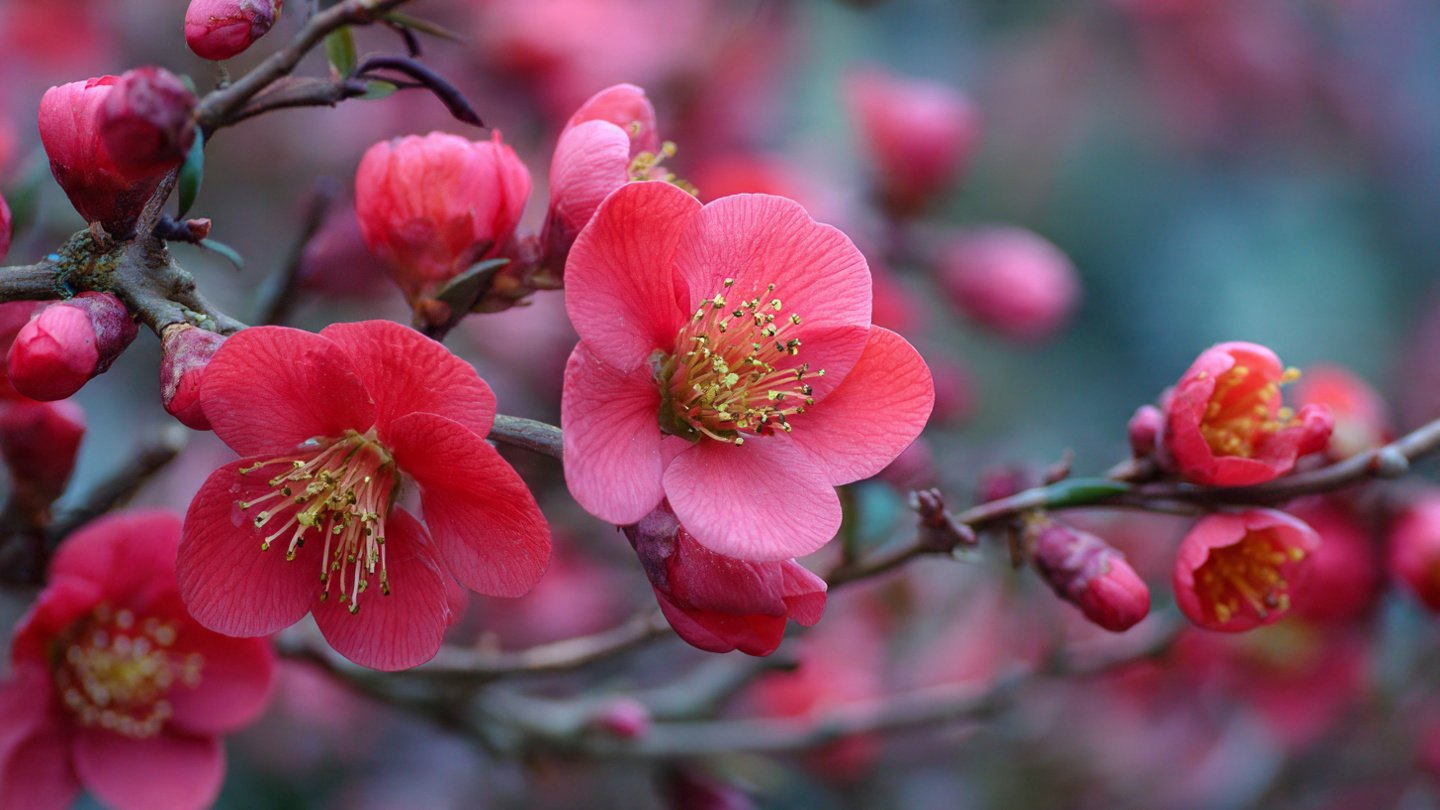
Winter is a quiet season in the garden, but for gardeners who want a head start on spring growth, January and February represent a crucial window for pruning. Pruning during these months, when most plants are dormant, can enhance health, improve structure, and boost flowering or fruit production. While pruning at the wrong time can damage plants or reduce blooms, carefully timed winter pruning encourages vigorous growth once the weather warms.
In this article, we’ll explore ten essential garden plants that benefit from January or February pruning, why timing matters, and how to prune them correctly.
Why Prune in January or February?
Pruning in mid-winter offers several key advantages:
- Dormant Pruning: Most deciduous plants have shed their leaves and are dormant, reducing stress and sap loss.
- Improved Structure: Without foliage, it’s easier to see branch patterns, identify weak, dead, or crossing branches, and shape the plant.
- Disease Prevention: Pruning during dormancy reduces the risk of spreading fungal diseases and pests.
- Enhanced Flowering and Fruit: Proper cuts at this time encourage buds to develop for spring blooms and summer fruit.
Timing is crucial: too early in winter and plants may still be vulnerable to frost; too late and early growth may already be underway, making pruning less effective or even damaging.
1. Apples and Pears
Deciduous fruit trees like apples and pears benefit significantly from winter pruning.
- Why: Dormant pruning removes dead or crowded branches and improves light penetration for better fruit development.
- How: Cut out crossing or inward-growing branches. Thin the canopy to allow airflow. Avoid removing more than 25–30% of live wood.
- Tip: Late January or February is ideal in colder climates, before buds begin to swell.
Pruning apples and pears now sets the stage for a productive summer harvest.
2. Grapevines
Grapes thrive with precise winter pruning, which controls growth and fruiting.
- Why: Grapevine pruning promotes strong wood formation and supports future fruit production.
- How: Remove old, unproductive canes and leave one-year-old wood for fruiting. Maintain your chosen training system, whether cordon or spur pruning.
- Tip: Perform cuts when the vine is fully dormant to prevent sap bleeding and frost damage.
Proper winter pruning ensures a high-quality grape harvest and a manageable vine structure.
3. Roses (Deciduous Varieties)
Many rose varieties, including hybrid teas and floribundas, benefit from late-winter pruning.
- Why: Dormant pruning strengthens the plant, reduces disease risk, and encourages robust spring growth.
- How: Remove dead, weak, or crossing stems. Cut back about one-third of healthy stems, making clean cuts just above outward-facing buds.
- Tip: Avoid heavy pruning too early in January in areas with severe frost; late January to February is safest.
Roses pruned in the winter often produce bigger blooms and stronger stems in the spring.
4. Hydrangeas (Bigleaf and Oakleaf Varieties)
Certain hydrangea species bloom on old wood, making timing critical.
- Why: Pruning in late winter removes dead stems while preserving buds for summer blooms.
- How: Trim dead or weak branches, shape the shrub lightly, and remove any crossing stems.
- Tip: Avoid pruning reblooming hydrangeas (like paniculata) too heavily, as they bloom on new wood.
Winter pruning balances plant health and floral potential for a vibrant summer display.
5. Blueberries
Blueberry bushes benefit from pruning during dormancy to encourage fruiting and airflow.
- Why: Removing old, unproductive canes improves sunlight exposure, reduces disease, and promotes new growth.
- How: Cut out branches older than three years and any weak or spindly growth. Leave the strongest canes for fruit production.
- Tip: Wear gloves and use clean, sharp tools to prevent damage and disease spread.
Pruning blueberries now ensures a larger, healthier crop next season.
6. Forsythia
Forsythia, a spring-blooming shrub, responds well to winter pruning.
- Why: Removing old, woody stems promotes new growth and improves flowering next spring.
- How: Cut back up to one-third of the oldest stems at the base. Thin crowded branches to enhance air circulation.
- Tip: Prune immediately after flowering if needed for shaping; however, light dormant pruning can be done in January or February.
Proper winter pruning produces brighter, more abundant spring blooms.
7. Lilacs
Lilac shrubs bloom on old wood, so pruning requires careful timing.
- Why: Pruning dormant lilacs removes old, non-productive branches and maintains shape.
- How: Remove dead or crossing stems. Cut some older wood at the base to encourage new shoots for next year’s flowers.
- Tip: Avoid pruning too late in February if buds are swelling.
Winter pruning keeps lilacs healthy and promotes fragrant, prolific blooms.
8. Fruiting Cherries and Plums
Stone fruit trees benefit from careful winter pruning to reduce disease and improve yields.
- Why: Dormant pruning improves branch structure, airflow, and sunlight exposure.
- How: Remove damaged, diseased, or crossing branches. Thin the canopy lightly while retaining strong fruiting wood.
- Tip: Avoid pruning if extreme frost is expected; otherwise, late winter is ideal.
Pruning in this window reduces the risk of disease and sets the foundation for summer fruit.
9. Deciduous Maples
Deciduous trees like maples respond well to winter pruning.
- Why: Pruning during dormancy minimizes sap loss and stress while removing damaged or weak branches.
- How: Focus on removing dead, broken, or inward-growing branches. Shape lightly if needed for aesthetics or clearance.
- Tip: Avoid heavy pruning that removes more than 25% of live wood.
Winter pruning strengthens structural integrity and prepares the tree for healthy spring growth.
10. Raspberries
Brambles like raspberries require pruning to maximize fruit production.
- Why: Pruning dormant canes improves airflow, reduces disease, and encourages vigorous new shoots.
- How: Remove all dead or weak canes. For summer-bearing varieties, cut last year’s fruiting canes to the ground. Thin remaining canes to 4–6 per linear meter.
- Tip: Prune in late winter before new growth begins.
Pruning raspberries in this crucial window leads to a bountiful harvest.
General Winter Pruning Tips
- Use Clean, Sharp Tools: Reduces disease transmission and ensures clean cuts.
- Avoid Over-Pruning: Remove no more than 25–30% of healthy wood unless the plant requires rejuvenation.
- Cut Above Buds: Make cuts just above outward-facing buds to encourage outward growth.
- Dispose of Diseased Material: Burn or discard pruned debris to prevent pest and disease issues.
- Consider Climate: Adjust timing based on local frost and temperature conditions.
Following these tips maximizes plant health and ensures a successful spring.
Final Thoughts
Pruning in January or February is more than a chore—it’s a strategic investment in your garden’s health, structure, and beauty. From fruit trees to flowering shrubs and brambles, careful dormant pruning removes dead or damaged wood, encourages vigorous growth, and prepares plants for a productive spring and summer.
By focusing on the ten essential garden plants highlighted here—apples, pears, grapes, roses, hydrangeas, blueberries, forsythia, lilacs, stone fruits, and raspberries—you can take advantage of the winter window to shape, rejuvenate, and strengthen your garden. Combine proper timing, sharp tools, and knowledge of each species’ growth habits, and your garden will reward you with healthy plants, abundant flowers, and bountiful harvests in the months ahead.
🌿 Winter pruning may seem quiet and unassuming, but its effects resonate throughout the growing season, making January and February a critical period for every attentive gardener.